


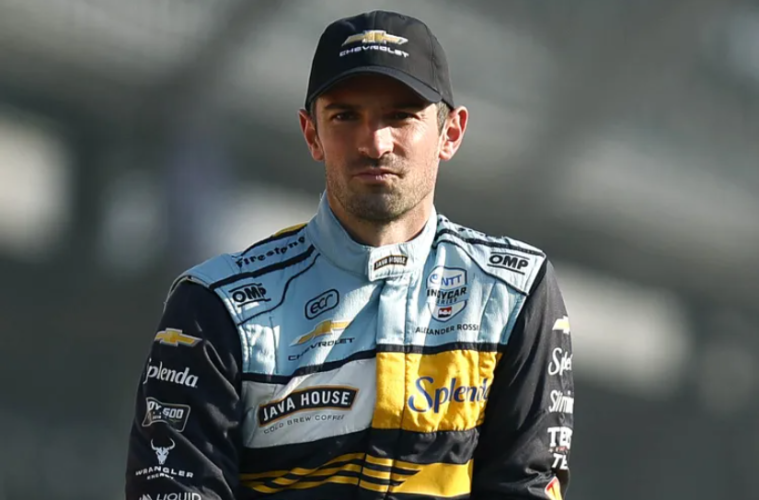
The IndyCar driver still plans to compete despite injuries.
Alexander Rossi Suffers Major Practice Crash
May 27, 2026 – IndyCar driver Alexander Rossi was hospitalized after a frightening multi-car crash during practice sessions for the 2026 Indianapolis 500. The incident occurred during Monday’s practice at Indianapolis Motor Speedway and immediately raised concerns across the racing world because of the severity of the collision.
Rossi’s car slammed into the wall before being struck again amid the chaotic accident involving fellow drivers Pato O’Ward and Romain Grosjean. Videos from the practice session quickly spread online as fans reacted to the dramatic wreck.
Despite the intensity of the crash, Rossi later confirmed he still fully intends to compete in the Indy 500.
:max_bytes(150000):strip_icc():focal(749x0:751x2):format(webp)/Alexander-Rossi-Indianapolis-500-Qualifying-051926-aeb9456e2cb84b95a49273fc2ceec149.jpg)
Credit: Brandon Badraoui/Lumen
Rossi Sustained “Minor” Injuries
Following the accident, Ed Carpenter Racing confirmed that Rossi suffered injuries to his right ankle and a finger on his left hand. The team later revealed the 34-year-old driver underwent successful outpatient procedures after being transported to a local hospital for evaluation.
According to team statements, Rossi remains in “good spirits” and did not suffer any additional injuries beyond the ankle and finger damage. Officials also stated that doctors would continue monitoring his recovery ahead of race weekend.
The update relieved many fans who initially feared the crash could have resulted in far more serious injuries.
Rossi Still Plans to Race
Despite needing medical treatment after the accident, Rossi has remained determined to participate in the Indianapolis 500. Ed Carpenter Racing confirmed the team’s “full intent” is for Rossi to return during final practice sessions before race day.
Reports later indicated Rossi was officially cleared to race and even completed laps in a backup car during Carb Day practice sessions ahead of the event.
The decision reflects both Rossi’s competitiveness and the resilience often seen among elite open-wheel drivers preparing for one of motorsport’s most dangerous races.
The Crash Involved Multiple Top Drivers
The practice collision also involved major IndyCar names including Pato O’Ward and Romain Grosjean. All three drivers managed to exit their vehicles without assistance after the wreck, though both Rossi and O’Ward sustained significant damage to their cars.
Drivers later described the dangers of running closely together at extremely high speeds around Indianapolis Motor Speedway. O’Ward explained that the cars operate “on a knife’s edge” while teams push for maximum speed during practice sessions.
The violent nature of the incident served as another reminder of how risky Indy 500 preparation can become even before race day arrives.
:max_bytes(150000):strip_icc():focal(749x0:751x2):format(webp)/Alexander-Rossi-Indianapolis-500-Qualifying-02-051926-109472c6c65a47e698bbd30d43bd6500.jpg)
Credit: Jeremy Hogan/SOPA Images/LightRocket
Rossi Remains One of IndyCar’s Biggest Names
Alexander Rossi remains one of the most recognizable American drivers in modern IndyCar racing. He famously won the Indianapolis 500 as a rookie in 2016, instantly becoming one of the sport’s biggest stars.
Before IndyCar, Rossi also competed in Formula One with Marussia and spent years building a reputation as one of America’s top international racing talents.
His experience and aggressive driving style have helped him remain a consistent contender at Indianapolis Motor Speedway over the years.
Backup Cars Became Necessary
Because of the severity of the crash damage, both Rossi and O’Ward reportedly required backup cars heading into the remainder of Indy 500 preparations. Fortunately for teams, Indy 500 rules still allowed both drivers to maintain their original starting positions despite changing vehicles.
Crews worked rapidly to prepare replacement cars in time for final practice sessions, highlighting the enormous logistical demands involved in IndyCar racing at the highest level.
For drivers, adapting quickly to backup cars before race day can create additional challenges regarding handling and setup familiarity.
Indy 500 Danger Remains Part of the Sport
The crash once again highlighted the extreme danger that remains part of the Indianapolis 500 despite modern safety improvements. IndyCars regularly exceed 230 mph during qualifying and practice, leaving almost no margin for error at high speed.
Although modern cockpit safety systems, barriers, and medical response teams have significantly improved survival rates compared to previous eras, major crashes still carry enormous physical risk.
Fans and drivers alike acknowledged how fortunate it was that everyone involved escaped without catastrophic injuries.
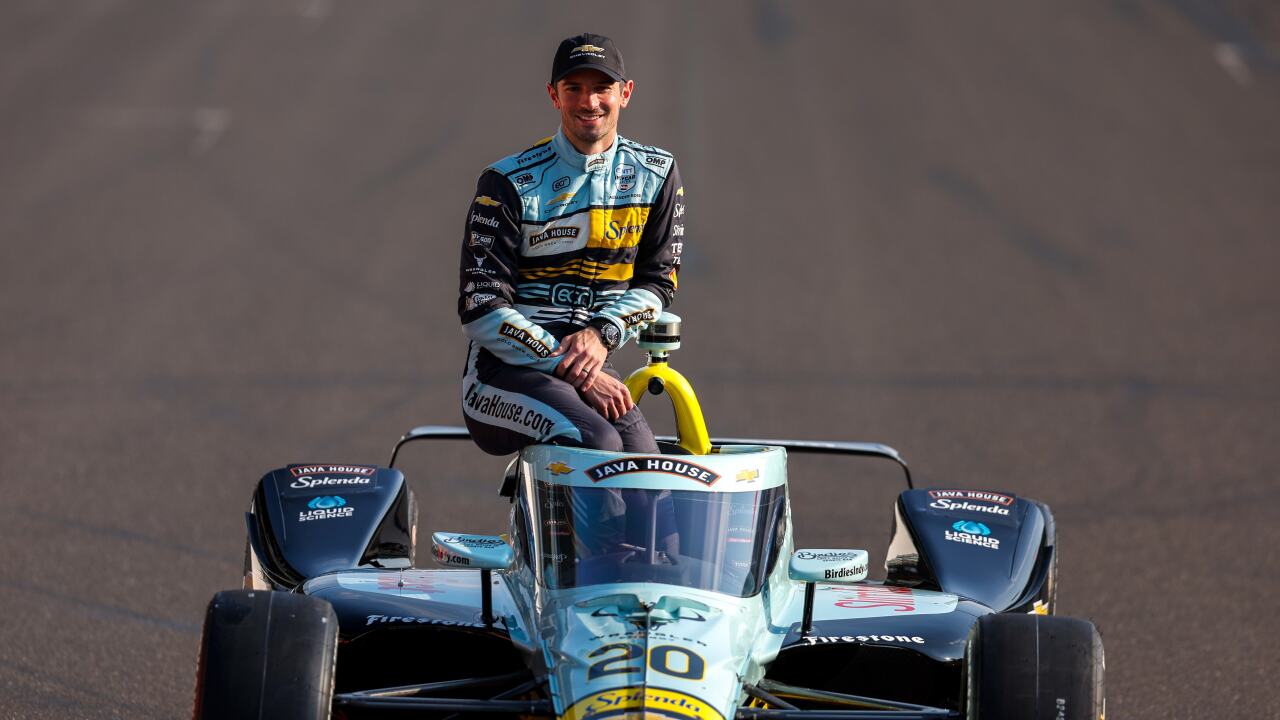
Credit: Penske Entertainment / Joe Skibinski
Fans Praised Rossi’s Toughness
Social media reactions following the crash largely focused on Rossi’s determination to continue racing despite his injuries. Many IndyCar fans praised the driver’s resilience and competitive mindset while also expressing concern over the physical toll of returning so quickly.
Videos showing Rossi using crutches while still preparing to race circulated widely online ahead of the event.
The response reflected the respect many motorsport fans have for drivers competing through physically demanding conditions.
Final Thoughts
Alexander Rossi’s hospitalization following a terrifying Indy 500 practice crash quickly became one of the biggest stories surrounding this year’s race week. Although the accident resulted in ankle and hand injuries requiring medical procedures, Rossi’s determination to still compete has drawn admiration across the racing community.
As preparations continue for the Indianapolis 500, the incident serves as another reminder of both the danger and extraordinary resilience that define elite motorsport competition.
FAQs
Q1. What injuries did Alexander Rossi suffer?
Rossi sustained injuries to his right ankle and a finger on his left hand.
Q2. Was Alexander Rossi hospitalized?
Yes. He was taken to a local hospital after the crash for evaluation and treatment.
Q3. Will Rossi still race in the Indy 500?
Yes. Rossi and his team confirmed he still plans to compete in the race.
Q4. Who else was involved in the crash?
Pato O’Ward and Romain Grosjean were also involved in the practice incident.
Q5. Has Alexander Rossi won the Indy 500 before?
Yes. Rossi won the Indianapolis 500 as a rookie in 2016.
Published by HOLR Magazine