


Learn how to keep a jade plant healthy indoors with the right light, watering routine, soil, pot, pruning, and simple seasonal care tips.
Why Jade Plants Make Great Indoor Plants
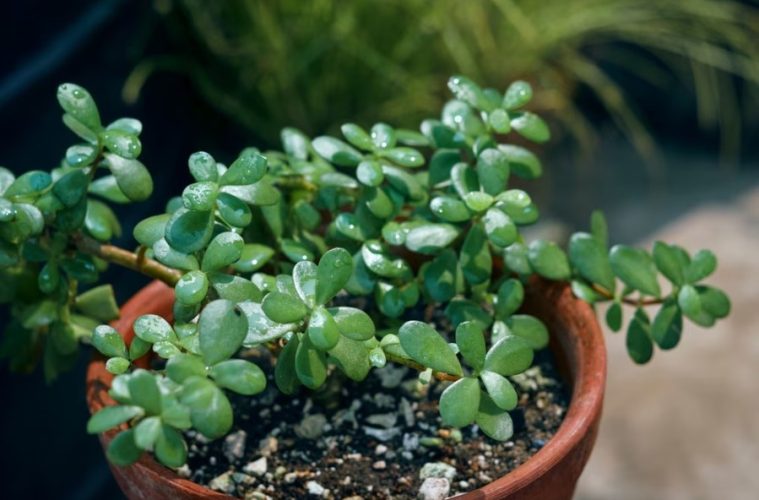
August 19, 2026 – Jade plants are among the easiest succulents to grow indoors, making them a popular choice for both experienced plant parents and beginners. Their thick, glossy leaves and sturdy stems give them a miniature-tree appearance that can become even more attractive as the plant matures.
Native to South Africa and Mozambique, jade plants are adapted to dry conditions and store water in their fleshy leaves. That means they generally cope better with occasional neglect than with constant watering.
The key to growing a healthy jade plant is understanding that it behaves more like a succulent than a typical leafy houseplant. Give it plenty of light, use fast-draining soil, and resist the temptation to water it too frequently.

Credit: Shutterstock/Andrey_Nikitin
Choose The Right Spot
Light is one of the most important factors in jade plant care. Indoors, place your plant somewhere that receives several hours of bright light each day.
A sunny south- or west-facing window can work particularly well, although strong direct sunlight through glass can sometimes scorch leaves if the plant has not been acclimated to it. If your jade has been growing in lower light, gradually move it toward stronger sunlight rather than making the change overnight.
Signs of insufficient light can include stretched stems, larger gaps between leaves, and slower growth. A plant receiving adequate light generally develops a compact, sturdy shape.
Use Well-Draining Soil
Jade plants do not like sitting in wet soil. Their roots need oxygen, and consistently soggy conditions can encourage root rot.
A commercial cactus or succulent potting mix is an easy choice for indoor growing. You can also improve drainage in a regular potting mix by incorporating materials such as perlite or coarse sand.
The container matters, too. Always choose a pot with a drainage hole so excess water has somewhere to escape. A decorative pot without drainage may look attractive, but it can make controlling moisture much more difficult.
Water Only When The Soil Is Dry
Overwatering is one of the most common mistakes people make with jade plants. Because the plant stores water in its leaves, it does not need frequent drinks.
Instead of watering according to a fixed weekly schedule, check the soil first. Allow the potting mix to dry substantially between waterings, then water thoroughly until excess moisture drains from the bottom of the container.
During the brighter, warmer growing months, your jade may need water more frequently. In winter, growth usually slows and the plant may require considerably less.
Yellowing leaves, soft stems, or leaves that begin dropping can be warning signs that the plant is receiving too much moisture.

Pick A Pot That Fits The Plant
Jade plants generally prefer not to sit in oversized containers. A pot that is much larger than the root system can hold excess moisture for longer, increasing the risk of watering problems.
When repotting, move up only one pot size at a time. Choose a sturdy container because mature jade plants can become surprisingly heavy as their stems and foliage develop.
Terracotta can be particularly useful because its porous material allows moisture to evaporate through the sides of the pot. That can provide an extra layer of protection against overly wet soil.
Prune To Encourage A Fuller Shape
Pruning is not essential for a jade plant to survive, but occasional trimming can help shape the plant and encourage branching.
If a stem becomes too long or the plant starts looking uneven, use clean, sharp pruning shears to remove selected growth. Cutting just above a leaf node can encourage branching from that area.
Do not feel pressured to prune aggressively. Jade plants grow relatively slowly, so removing too much at once can leave the plant looking sparse for a long time.
Pruned sections can also be useful for propagation, giving you an opportunity to grow new plants from healthy cuttings.
How To Propagate A Jade Plant
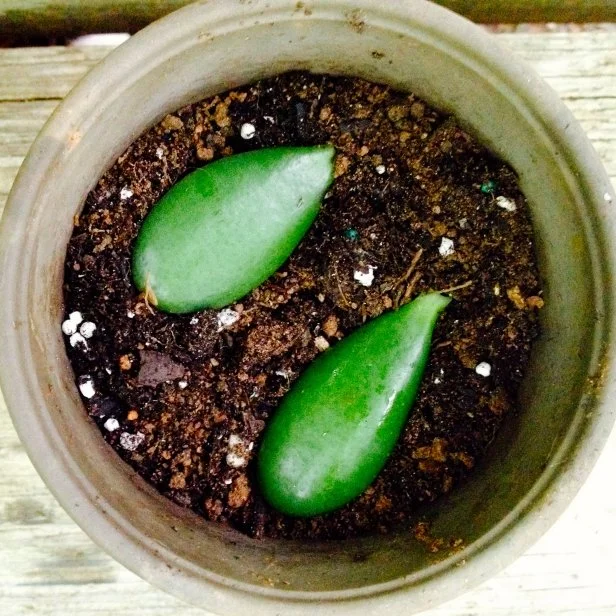
Jade plants are particularly rewarding to propagate. New plants can be grown from stem cuttings and, in some cases, individual healthy leaves.
For a stem cutting, allow the cut end to dry and callus before placing it into suitable succulent soil. This helps reduce the chance of excess moisture causing problems before roots develop.
Keep the cutting in bright, indirect light while it establishes and avoid keeping the soil constantly wet. Once roots form and new growth appears, you can gradually transition the young plant into its normal care routine.
Leaf propagation takes longer, but it can be a fun project if you have fallen leaves that remain healthy.
Credit: Lynn Coulter
Temperature And Humidity Matter Too
Jade plants generally prefer warm indoor conditions and do not require high humidity. Normal household humidity is usually sufficient, which is another reason they work well as indoor plants.
Keep the plant away from cold drafts, heating vents, and sudden temperature changes. During colder months, protecting it from very chilly windows or prolonged cold exposure becomes especially important.
Because jade plants are succulents, increasing humidity is generally not necessary. In fact, overly humid conditions combined with wet soil can create a less favorable environment for the roots.
Common Jade Plant Problems To Watch For
A few simple clues can tell you when something is wrong. Pale or stretched growth often points toward insufficient light, while mushy stems and persistent wet soil may indicate overwatering.
Pests can occasionally appear as well. Check beneath leaves and around stems for signs of common houseplant pests such as mealybugs or scale.
The best approach is early intervention. Inspect your plant regularly, remove affected material when appropriate, and avoid repeatedly watering a plant simply because the leaves appear slightly different.
Final Thoughts
A jade plant does not need complicated care to thrive indoors. Bright light, excellent drainage, careful watering, and occasional pruning are usually enough to keep it healthy and encourage attractive growth.
The biggest lesson is simple: treat your jade plant like a succulent, not a thirsty tropical houseplant. Once you get the balance of light and moisture right, this durable plant can remain a beautiful part of your indoor space for years.
FAQs
How often should I water a jade plant indoors?
Water when the soil has dried substantially rather than following a strict weekly schedule. Your plant may need more frequent watering during active growth and less during winter.
Does a jade plant need direct sunlight?
Jade plants benefit from several hours of bright light. They can tolerate direct sunlight, but plants accustomed to lower light should be gradually acclimated to stronger sun.
Why are my jade plant leaves turning yellow?
Yellow leaves can be caused by overwatering, particularly when the soil stays wet for long periods. Check the soil moisture and make sure the pot drains properly.
What type of soil is best for a jade plant?
A well-draining cactus or succulent potting mix is a good choice. Adding perlite or another drainage-enhancing material can also help prevent excess moisture.
Can I grow a new jade plant from a cutting?
Yes. Healthy stem cuttings can be allowed to callus before being planted in suitable succulent soil and given appropriate light and limited moisture while they develop roots.
Published by HOLR Magazine