


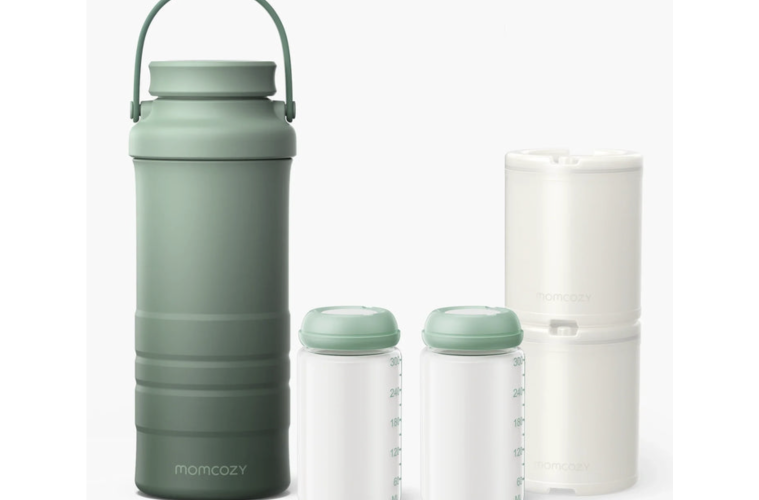
Every nursing mother who has ever pumped in an airport bathroom, anxiously watched the clock during a long car ride, or desperately searched a hotel lobby for a refrigerator knows the specific, gnawing worry that comes with traveling while breastfeeding. Expressed breast milk is genuinely precious — hours of effort, nutrition, and love packed into every ounce. The thought of losing it to improper storage isn’t just frustrating; it’s heartbreaking.
The core challenge is deceptively simple: breast milk must stay within a safe temperature range to remain viable. Yet travel is inherently unpredictable. Flights get delayed, cars heat up, and access to reliable refrigeration is never guaranteed. Standard ziplock bags, regular tote bags, and even generic lunch coolers simply weren’t designed to meet these demands consistently or safely.
This is precisely where a purpose-built insulated cooler bag for breast milk becomes a true game-changer. More than just a container, it’s a portable preservation system that transforms travel from a source of anxiety into a manageable, confident experience. But what specific features actually make these bags so effective for travel storage — and how can you use one to its full potential? This article answers exactly that.
The Traveling Mother’s Challenge: Breast Milk Storage on the Go
Traveling while exclusively pumping or breastfeeding introduces a layer of logistical complexity that most people never consider. Expressed breast milk isn’t shelf-stable — it has a strict temperature window. Left at room temperature above 77°F (25°C), it’s only safe for up to four hours. Once that window closes, the milk you worked so hard to pump is no longer viable. In warmer environments, or during delays, that clock ticks even faster. Bacterial growth doesn’t pause for a delayed flight or a traffic jam.
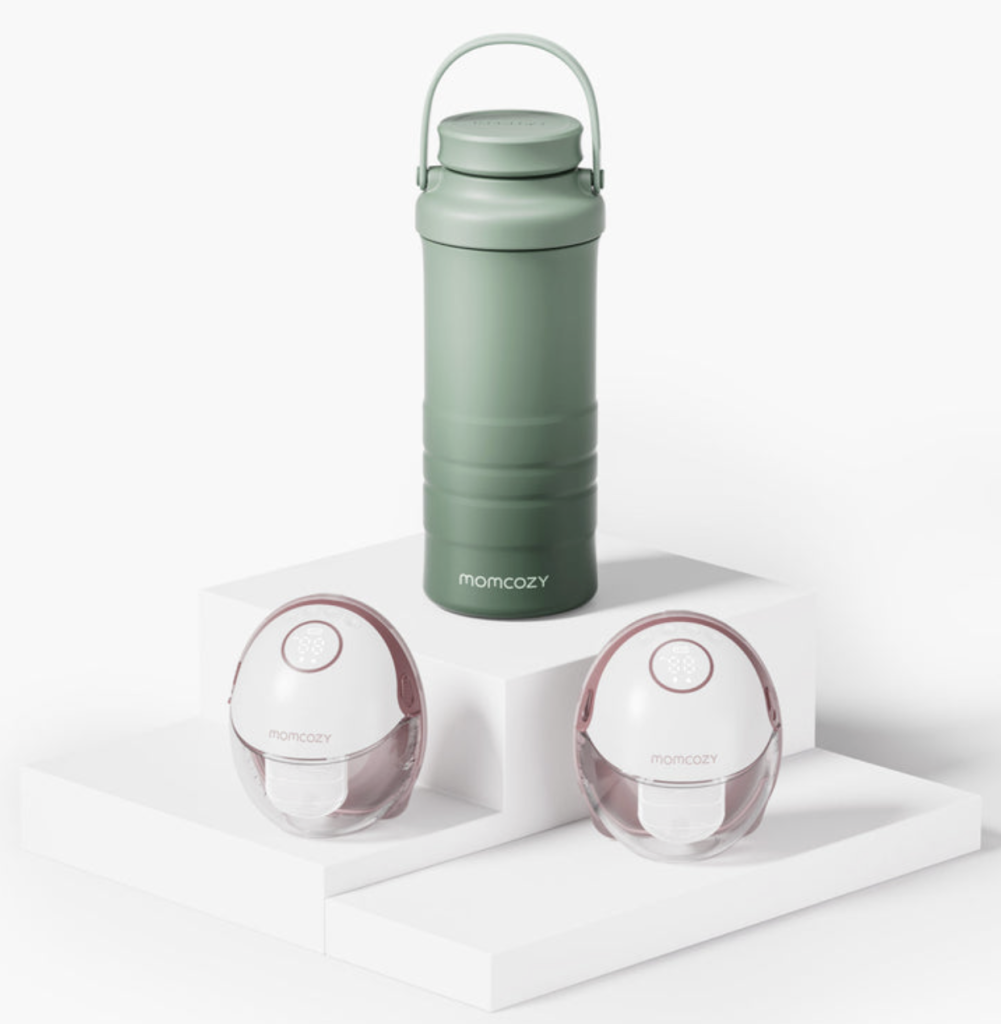
The logistical hurdles pile up quickly. Airport security requires that breast milk be declared and may involve additional screening. Car interiors can reach dangerous temperatures within minutes of parking. Day trips to theme parks, outdoor events, or family gatherings rarely offer easy access to a refrigerator. Hotel mini-fridges are inconsistent, and asking a stranger to store your milk in their office fridge isn’t always an option. Every scenario demands a reliable, self-contained cold-storage solution you control entirely.
Beyond the logistics, there’s an emotional dimension that’s hard to overstate. Pumping takes time, physical effort, and dedication. Losing even a few ounces to spoilage — especially when you’re already managing feeding schedules, sleep deprivation, and travel stress — feels like a real loss. Many mothers describe discarding spoiled milk as genuinely demoralizing.
Standard alternatives simply don’t hold up. Generic lunch bags lack sufficient insulation density. Regular coolers are bulky and draw attention. Even branded “nursing bags” without proper thermal lining offer little more than a false sense of security. The situation calls for a bag engineered specifically for this purpose.
How an Insulated Cooler Bag Solves Core Storage Problems
Superior Insulation Technology for Long-Lasting Cooling
The science behind a quality insulated cooler bag is straightforward but genuinely powerful. Multi-layered insulation — typically dense foam sandwiched between a reflective inner lining and a durable outer shell — works by slowing the rate of heat transfer between the bag’s interior and the surrounding environment. Rather than simply delaying warming, this construction actively resists temperature change from every direction, whether you’re sitting in a sun-baked car or a sweltering outdoor venue. What amplifies this effect considerably is the concept of thermal mass. When you load pre-chilled milk storage bottles into a pre-cooled bag, the combined cold mass creates a stable internal climate that sustains safe temperatures far longer than insulation alone. Frozen breast milk bottles, in particular, function as their own ice packs — keeping everything in the bag cold as they gradually thaw. Under reasonable conditions, a well-insulated bag paired with chilled or frozen bottles can maintain safe temperatures for several hours without any external ice source, which is exactly the kind of reliability unpredictable travel demands.
The Advantage of a Dedicated Dual-Bottle Design
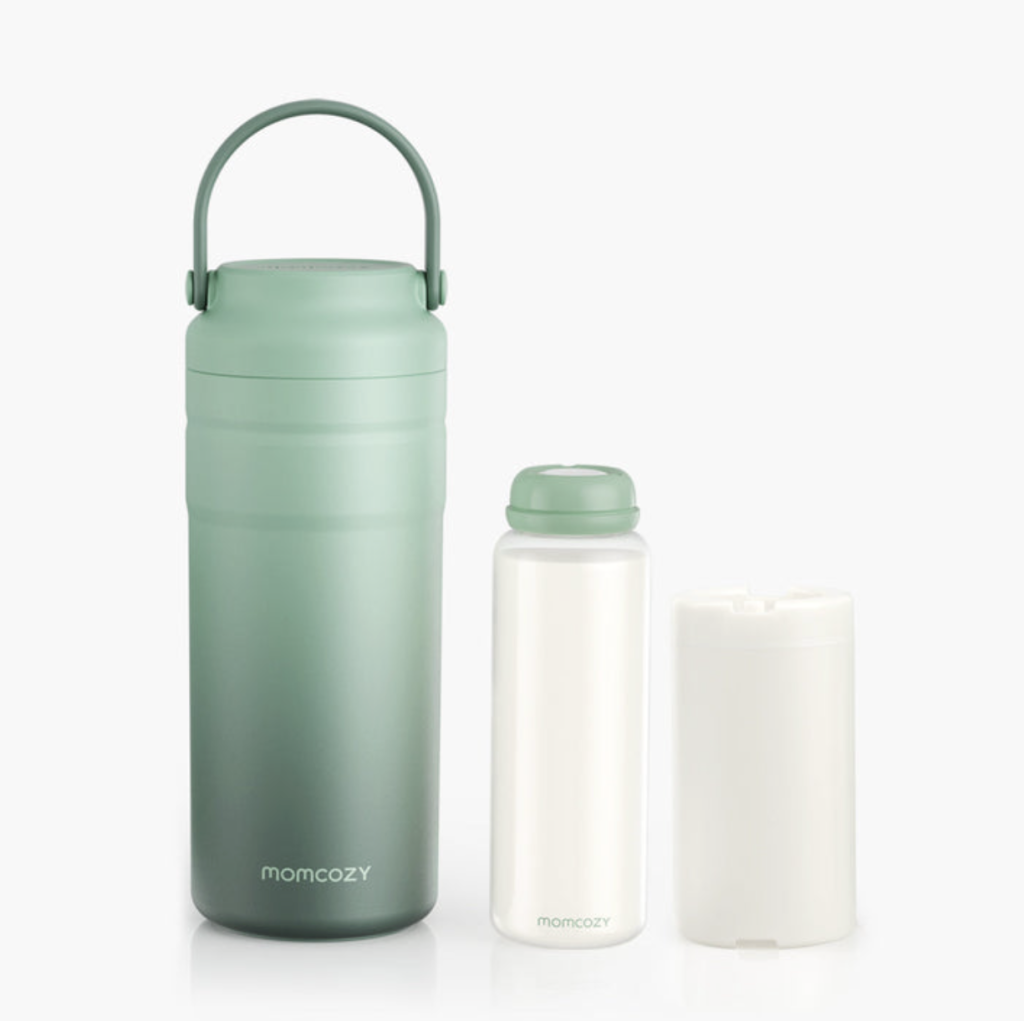
Generic coolers might keep things cold, but they’re not built around the specific shape, size, or fragility of breast milk bottles. A bag designed specifically for breast milk storage changes that entirely. Snug, purpose-fit compartments hold bottles upright and secure, eliminating the risk of tipping, leaking, or rattling around against each other during turbulence or a bumpy car ride. The dual-bottle layout isn’t just about fit — it’s about efficiency. You know exactly what the bag holds, you can access individual bottles without disturbing the rest, and you’re not wasting cold air on empty dead space the way you would with an oversized generic cooler. Organization matters when you’re managing feeding windows on the move. Being able to grab the right bottle quickly, without fumbling or repacking, reduces stress in moments that are already demanding enough.
Portability and Discreet Design for the Mobile Mom
A breast milk cooler bag that’s awkward to carry or visually conspicuous defeats much of its own purpose. The best designs prioritize a compact footprint that slides easily into a diaper bag, fits under an airplane seat, or clips onto a stroller without adding meaningful bulk. Padded carry straps and lightweight construction mean the bag doesn’t become a burden on top of everything else you’re already hauling. Perhaps equally important is the aesthetic: a sleek, understated bag doesn’t broadcast “medical equipment” in a crowded airport or at a family event. It simply looks like a small tote — discreet, functional, and entirely integrated into your existing travel setup.
Key Features Traveling Mothers Should Look For
Knowing what a quality cooler bag should do is one thing — knowing what to look for when choosing one is another. Not every insulated bag marketed toward nursing mothers delivers equally, so a few specific features separate genuinely reliable options from those that simply look the part.
Start with the insulating material itself. It should be food-safe, non-toxic, and dense enough to maintain temperature for several hours under real-world conditions — not just ideal lab settings. Brands that focus exclusively on the nursing and pumping space, like Momcozy, tend to engineer these details around the specific demands of breastfeeding mothers rather than adapting a generic product after the fact. A leak-proof interior lining is non-negotiable. Expressed milk spills happen, and a lining that can be wiped clean quickly protects both your bag and anything stored alongside it. Paired with that, inspect the zipper quality: it should close smoothly, seal completely, and feel sturdy enough to survive repeated use without snagging or splitting under the weight of loaded bottles.
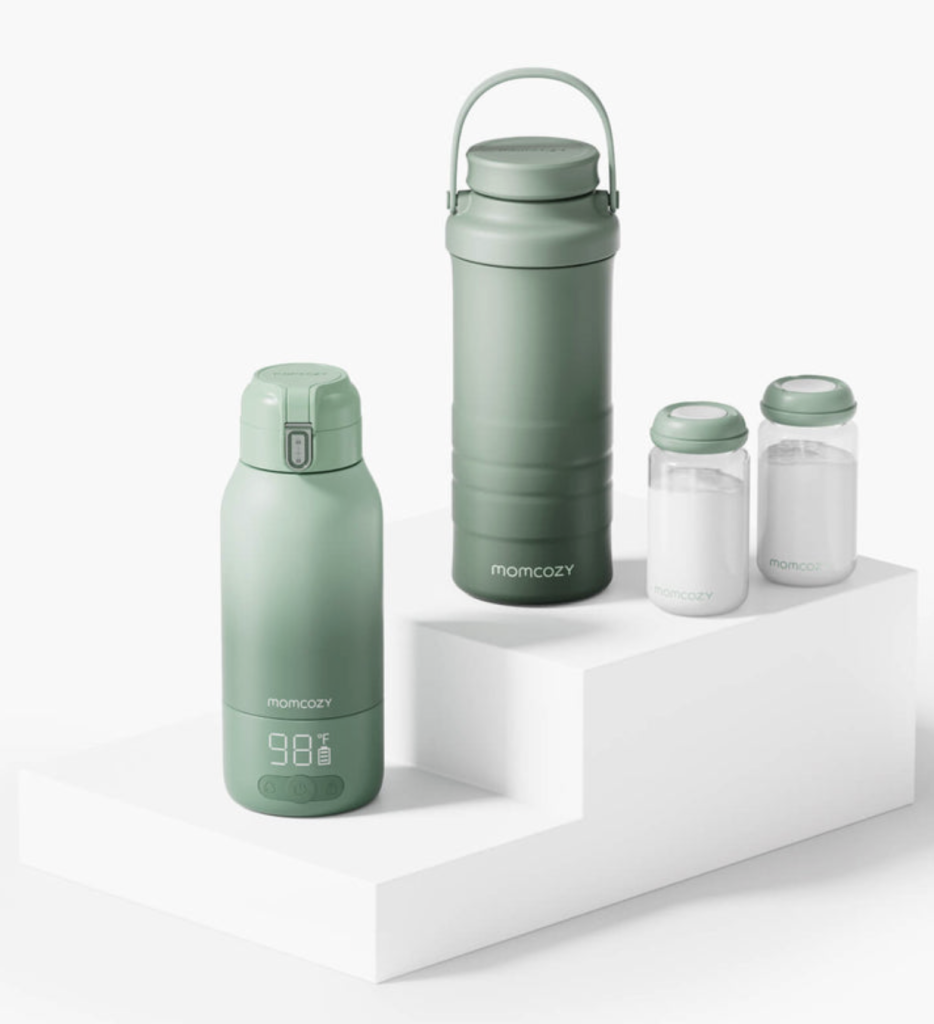
Compatibility with your preferred bottle type matters more than it might seem. A bag designed around standard breast milk storage bottles will hold them snugly — upright, stable, and secure. If the fit is too loose, you lose insulation efficiency and risk spillage. Also assess overall dimensions critically. The bag should be compact enough to slip into a carry-on or diaper bag without crowding everything else, while still holding everything you need for a full travel day. Finally, look closely at stitching and material durability. Reinforced seams and abrasion-resistant outer fabric are small details that determine whether a bag lasts one trip or two years of consistent travel.
Maximizing Your Cooler Bag: A Step-by-Step Guide for Travel
Step 1: Pre-Chilling for Optimal Results
The single most effective thing you can do before any trip is pre-chill both your bag and your bottles. Place the empty cooler bag in the refrigerator for at least 30 minutes before packing. Load it with pre-chilled or frozen breast milk bottles — never warm or room-temperature milk — directly from the fridge. This “cold start” dramatically extends how long your bag maintains a safe internal temperature, because insulation preserves existing cold rather than generating it. Starting cold means staying cold longer.
Step 2: Efficient Packing for Compact Storage
Pack bottles snugly into their designated compartments, upright and stable. If you’re carrying a small ice pack for longer journeys, position it above the bottles rather than below — cold air sinks, so top placement maximizes contact. Avoid overpacking accessories into the same compartment as your milk; unnecessary items displace cold air and introduce ambient warmth. Keep the bag zipped completely shut whenever you’re not actively accessing it. Every unnecessary opening lets cold escape and heat in.
Step 3: Monitoring and Managing Cooling Longevity
A compact stick-on thermometer or a small digital probe thermometer placed inside the bag takes the guesswork out of safety. Breast milk should stay at or below 39°F (4°C) during refrigerated transport. If you’re facing an extended delay and your milk is beginning to approach room temperature, transfer it to any available refrigerator immediately — a hotel front desk, airport lounge, or restaurant kitchen will often accommodate a brief request. Frozen bottles serve double duty: they keep everything else cold as they gradually thaw, effectively acting as built-in ice packs throughout your journey.
Step 4: Post-Travel Care and Cleaning
After each trip, wipe the interior lining with a damp cloth and mild soap, then let it air dry completely before storing. Never seal a damp bag — trapped moisture breeds bacteria and degrades insulation over time. Check zippers and seams regularly for wear, and address small issues early. A well-maintained cooler bag will serve you reliably across dozens of trips.
Confident Travel with Breast Milk
Traveling with expressed breast milk doesn’t have to mean choosing between your journey and your baby’s nutrition. A purpose-built insulated cooler bag fundamentally changes that equation — not by eliminating the challenges of travel, but by giving you a reliable, self-contained system to meet them head-on. The difference between arriving at your destination with safe, viable milk and discarding ounces of hard-won effort often comes down to one well-designed piece of equipment.
The key takeaways are clear: proper insulation technology maintains safe temperatures far beyond what generic alternatives can manage; a dedicated bottle-fit design keeps your milk organized, secure, and accessible when timing matters most; and smart pre-trip habits — pre-chilling, careful packing, and temperature monitoring — maximize every advantage the bag offers. Together, these elements don’t just solve a storage problem. They restore something far more valuable: confidence.
For any mother navigating the demands of nursing while staying mobile, an insulated cooler bag isn’t simply another piece of baby gear. It’s the tool that makes breastfeeding and travel genuinely compatible — preserving not just milk, but the peace of mind that lets you actually enjoy the journey.
Published by HOLR Magazine.