



That small notch on a stray cat’s ear usually has an important purpose, helping rescuers and communities identify cats that have already been sterilized.
What An Ear-Tipped Cat Is Telling You
August 19, 2026 – If you have ever noticed a stray or community cat with the tip of one ear missing, you may have wondered what happened.
In most cases, the clipped or “tipped” ear is an intentional and humane identification mark. It usually indicates that the cat has gone through a Trap-Neuter-Return, or TNR, program and has already been sterilized.
The practice allows people to identify treated cats from a distance without having to trap them again. That can make a significant difference for community cats, particularly in areas where groups regularly carry out sterilization programs.
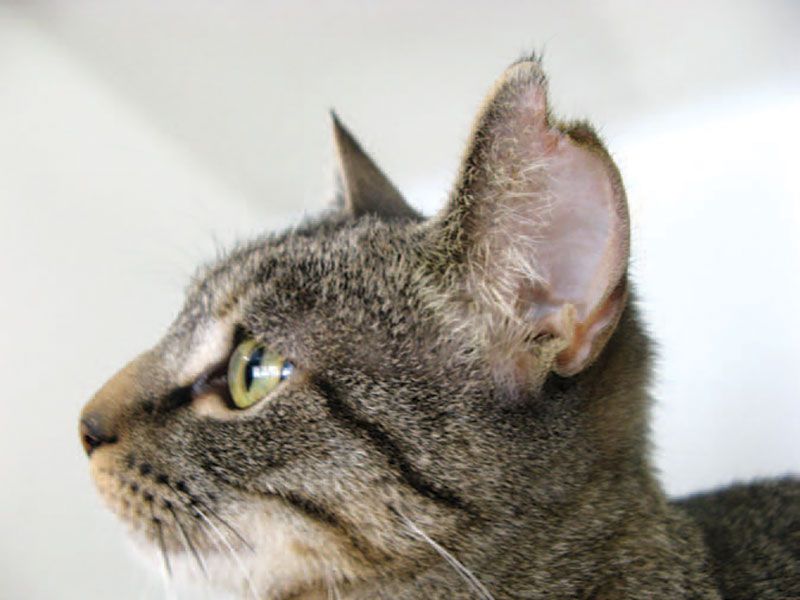
Why The Ear Is Tipped
Ear tipping provides a simple visual signal that can be recognized quickly.
After a community cat is humanely trapped for TNR, it is typically taken to a veterinary professional for sterilization. The cat may also receive other routine veterinary care, depending on the program.
Once the procedure is complete, a small portion of the ear is removed while the cat is under anesthesia. The ear then heals, leaving a distinctive flat or angled appearance that can be recognized later.
The mark is intentionally visible rather than subtle. That is important because a person needs to be able to identify a sterilized cat without handling or trapping it.
It Helps Prevent Unnecessary Trapping
One of the biggest benefits of ear tipping is that it prevents a cat from being caught and taken through the same process again.
Community cats can be difficult to identify individually, especially when several cats live in the same neighborhood. Without an obvious marker, rescuers might have to trap a cat to determine whether it has already been sterilized.
An ear tip provides that answer immediately.
This makes TNR programs more efficient while also reducing unnecessary stress for cats that have already received veterinary care.
What TNR Means For Stray And Community Cats
Trap-Neuter-Return is a widely used approach to managing free-roaming cat populations.
Cats are humanely trapped, taken to a veterinary provider for sterilization and then returned to the location where they were found. Depending on the program, they may also receive vaccinations, parasite treatment or other medical attention.
The goal is not necessarily to remove every outdoor cat. Instead, sterilization helps prevent additional unwanted litters while allowing healthy community cats to remain in their familiar territory.
Over time, reducing reproduction can help stabilize local cat populations.

Is Ear Tipping Painful?
The procedure is performed while the cat is under anesthesia, meaning the cat should not experience the procedure itself.
The amount of the ear removed is small and is typically chosen specifically because it creates a clear visual marker without significantly affecting the cat’s appearance or hearing.
Like any surgical procedure, sterilization and recovery require appropriate veterinary care. Once healed, however, the ear tip generally becomes a permanent identifier that allows the cat’s status to be recognized throughout its life.
Which Ear Gets Tipped?
The left ear is commonly used for ear tipping in TNR programs, although practices can vary by organization, veterinarian or location.
The important point is not necessarily which ear has been tipped but that the mark serves as a recognizable indication that the cat has already been through a sterilization program.
If you encounter a cat with an ear tip, it is therefore a good idea not to assume that the animal has been injured simply because part of the ear is missing.
What If You Find A Cat With A Clipped Ear?
An ear-tipped cat may still be friendly, fearful, healthy, sick, young or elderly. The ear mark alone does not tell you everything about the animal’s current circumstances.
It does, however, provide useful information about its history. The cat has likely been sterilized through a TNR or similar community-cat program.
If the animal appears healthy and is living outdoors, it may be part of a managed community-cat colony. Some cats are cared for by local residents or volunteers who provide food, water and monitoring.
If a cat appears injured or seriously ill, however, an ear tip should not be treated as a reason to ignore its condition. The mark simply identifies previous sterilization.

Credit: Brenda griffin
Ear Tipping Is Different From An Ear Injury
A clean, consistent notch or flat tip is usually quite different from an accidental injury.
Cats can certainly damage their ears through fights, accidents or medical conditions. Those injuries may leave irregular tears, wounds, scabs or other visible abnormalities.
A standardized-looking ear tip is generally easier to recognize because it has a deliberate appearance. If you are uncertain, a veterinarian or experienced animal-rescue organization can help determine whether a cat has been ear-tipped.
Why The Practice Matters
Ear tipping may seem like a small detail, but it plays an important role in community-cat management.
Without a visible identifier, rescue workers and volunteers could repeatedly trap cats that have already been sterilized. That wastes valuable resources and creates avoidable stress for the animals.
The mark also makes it easier for people in a neighborhood to understand that a particular cat has already received care.
For programs working with large numbers of free-roaming cats, that simple visual signal can make ongoing population management much more practical.
Final Thoughts
A clipped or tipped ear on a stray cat is usually not a sign that the animal has been harmed. More often, it is a permanent marker showing that the cat has been sterilized through a TNR or similar program.
So the next time you spot a community cat with one ear that looks neatly trimmed, you may actually be seeing evidence that someone has already taken steps to improve that animal’s health and help control the local cat population.
Credit: FeralCats
FAQs
Why do stray cats have their ears clipped?
A clipped or tipped ear usually indicates that a community cat has been sterilized through a Trap-Neuter-Return program.
Is ear tipping painful for cats?
The procedure is performed while the cat is under anesthesia, so the cat should not feel the ear being tipped. Proper veterinary care is also provided during recovery.
Which ear is usually clipped on a stray cat?
The left ear is commonly tipped in TNR programs, although practices can vary depending on the organization or location.
Does an ear-tipped cat need to be rescued?
Not necessarily. An ear tip usually means the cat has already received sterilization through a community-cat program. However, an injured or sick cat may still need veterinary assistance.
Can an ear-tipped cat be someone’s pet?
Yes. An ear tip does not necessarily mean a cat has no owner. Some owned or previously stray cats may have been sterilized through community programs.
Published by HOLR Magazine