


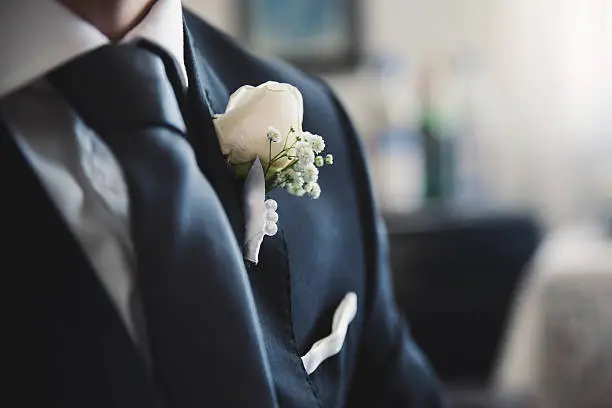
Your wedding suit is the one garment you’ll see in photographs for the rest of your life. That’s a different kind of pressure than picking a jacket for a job interview. New York City has more tailors per square mile than almost anywhere else in the country, which sounds like an advantage until you realize most of them use the word “custom” to mean very different things. Some offer true from-scratch construction; others hand you a pre-cut pattern and call it custom. Knowing how to choose the best custom tailor in NYC for your wedding suit means understanding what that word actually promises, and what questions to ask before you commit. The stakes are real. A poor fit on your wedding day doesn’t just look off in photos; it’s uncomfortable for ten or more hours straight. Get this decision right early, and everything else, the fabric, the details, the final result, falls into place.
What Custom Actually Means for a Wedding Suit
The word “custom” carries a specific meaning in the tailoring world, and it’s worth pinning down before you start your search. A genuine custom suit starts with a blank canvas, no pre-existing pattern, no standardized block cut. Your measurements don’t just feed a computer; they go to a pattern cutter who constructs a unique foundation from scratch, built around your body’s specific proportions. That distinction matters because it determines how the finished garment actually fits. Most men who have only worn off-the-rack or made-to-measure suits don’t realize how different a true custom cut feels, especially across the shoulders and through the seat. For custom wedding suits for New York grooms, the custom process includes a basted fitting, a stage where the suit is temporarily stitched together so you can see and feel the shape before final construction begins. That fitting alone separates serious custom houses from shops that skip straight to the finished garment and then scramble with alterations.
Custom vs. Made-to-Measure: A Real Distinction
Made-to-measure starts with a pre-existing pattern that gets adjusted to your measurements. Custom builds the pattern from scratch. Both result in a garment with your name on it, but the end result can differ significantly. Made-to-measure suits tend to work well for men with standard proportions. They’re faster and less expensive. But a groom with broad shoulders and a narrow waist, or longer arms relative to his torso, will find that a made-to-measure cut hits its limits. Custom construction accounts for every asymmetry your body has, because the pattern literally doesn’t exist until it’s drawn for you. Ask any tailor you interview whether they use a block pattern or start from your measurements alone. Their answer tells you exactly what kind of suit you’re getting. Some shops use “custom” as a marketing term for what is effectively made-to-measure with a few extra adjustment points. It’s worth knowing that before you put down a deposit.
How to Evaluate a NYC Tailor Before You Commit
Choosing a tailor in New York City requires more than reviews on a listing site. The city has dozens of shops that look polished online and disappoint in person, and a few genuinely excellent houses that don’t market themselves aggressively because they don’t need to. Your evaluation process should start with the consultation itself. A tailor worth your business will ask about your body’s specific challenges: one shoulder higher than the other, a forward neck posture, a fuller stomach, before they even pick up a measuring tape. That kind of intake tells you they understand fit at a structural level, not just as a surface adjustment. You should also ask who takes the measurements. At quality houses, measurements are taken by master tailors, not sales staff. That distinction matters because a master tailor reads your body differently. They account for posture, movement, and how fabric behaves under specific tensions. Don’t skip this question.
Questions Worth Asking at the First Consultation
Come prepared with a short list of direct questions. The answers tell you more than any online review can.
- How many fittings are included, and what does each one correct?
- Do you build the pattern from scratch, or do you start from a block?
- Who takes the measurements, a tailor or a salesperson?
- What is your turnaround time, and do you offer a rush option for tight wedding timelines?
- Can I see examples of suits you’ve made for grooms with a similar build?
A tailor who gets defensive or vague about any of these questions is showing you something. The best tailors answer directly, explain their process with confidence, and offer specifics. They’ve had these conversations before. Also pay attention to how they discuss fabric. A tailor with real knowledge will guide you through cloth weight, weave structure, and seasonal appropriateness rather than just pointing you at a swatch book and letting you guess. Your suit’s fabric does half the work; your tailor should know it well.
Timeline and Budget: Setting Realistic Expectations
Most grooms badly misjudge how far in advance they need to lock in a custom suit. The full process – initial consultation, pattern cutting, basted fitting, and final construction – runs four to five weeks from your first appointment to pickup, and that’s the baseline at quality NYC houses when schedules aren’t backed up. Tack on another week or two for last-minute adjustments, and you’re really looking at booking six to eight weeks out, minimum. Rush services do exist; some tailors can squeeze the timeline down to roughly ten days for an extra fee, but that means skipping fitting stages, which is the last thing you want on the most photographed day of your life. On the cost side, genuine custom suits in New York start around $1,295 and climb from there depending on what fabric you choose. That price reflects real labor: a hand-sewn garment with basted shoulders and thousands of individual stitches takes far more time to build than anything a machine constructs.
Conclusion
Finding the best custom tailor in NYC for your wedding suit really comes down to a handful of non-negotiable things: a true from-scratch pattern, measurements taken by someone with genuine experience, and a fitting process that lets you see the garment and request changes before it’s done. Don’t let polished marketing language stand in for those specifics. Ask direct questions. Pay close attention to how a tailor discusses your body and your fabric choices, and book earlier than your gut tells you to. A well-made custom suit feels different from anything you’ve worn before; it moves with you rather than against you, and it reads cleanly in photos from every angle. That’s what you’re actually paying for, and in a city with as many options as New York, the right tailor is out there.
Published by HOLR Magazine.