


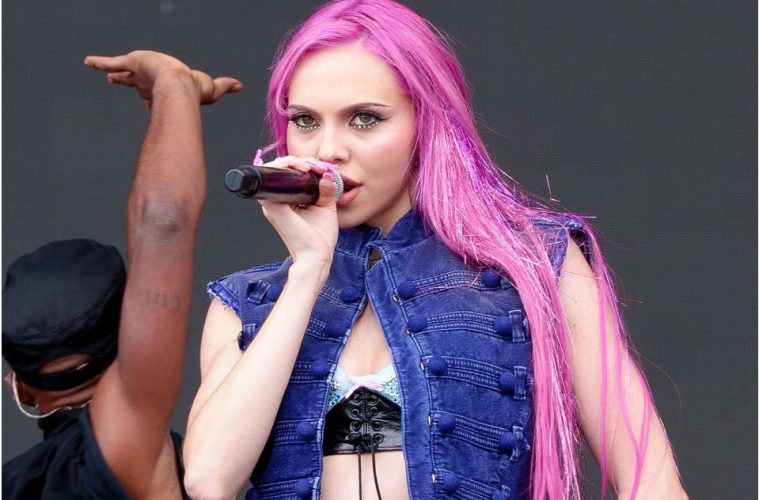
Pink hair is back for 2026, from soft rose gold and blush shades to vivid fuchsia, with tips for choosing and maintaining your ideal hue.
Pink Hair Is Back
August 28, 2026 – After a few years of deeper brunette and burgundy shades dominating hair trends, pink is having another major moment. The color is showing up everywhere from soft blush and rosy champagne to brighter salmon and fuchsia, giving people plenty of ways to experiment without committing to one specific look.
Celebrity hairstylist Chris Appleton says people are simply having more fun with color again. Pink can be subtle enough to feel like a tonal update or bold enough to completely transform your appearance, which makes the shade particularly versatile.

Credit: Joshua Applegate
Celebrities Are Embracing Rosy Shades
Martha Stewart recently appeared with a rose-gold style and a side-swept bob created by Appleton, while Melanie Moreno made a more dramatic statement with bright fuchsia hair styled in barrel curls. Ice Spice has also been wearing long salmon-toned hair, trading the orange shade that has become closely associated with her look.
Pink hair is hardly new to celebrity culture. Kylie Jenner experimented with the color during her “King Kylie” era in 2016 and returned to a rosy shade more recently. Megan Thee Stallion, Kate Moss, Helen Mirren, Cate Blanchett, and Adéla have all explored pink-toned hair at various points in their careers.
Rihanna Made Pink Hair Iconic
One of the most memorable examples remains Rihanna’s bubblegum-pink pixie, which she wore while attending an NBA game in 2014. The short, vivid style became one of her most referenced beauty looks and continues to inspire recreations.
That history is part of what makes the current revival interesting. Today’s pink hair trend is not tied to one specific shade or decade. Instead, it borrows from different eras, allowing people to choose a version that suits their own style.
There Is a Pink for Every Mood
The biggest advantage of pink hair is the range of possibilities. A soft blush or rose-gold shade can provide a subtle change that catches the light, while salmon, magenta, and fuchsia create a much more noticeable statement.
Appleton says the color can work at different levels of intensity depending on what you want. A muted rosy tone can look almost like a filter over the hair, while brighter shades can completely change the overall impression.
That flexibility also means pink can be adapted to different haircuts. A soft rose tint can add dimension to a bob, while saturated pink can make curls, layers, or a short crop even more dramatic.

Credit: Phillip Faraone
Dark Hair Requires More Preparation
Going pink is not always as simple as applying a colored dye, particularly if you have naturally dark hair and want a pale or pastel result. Appleton explains that darker hair generally needs to be lightened first to create a clean base for a lighter pink shade.
That lifting process is where hair health becomes especially important. Bleaching can affect the condition of the hair, so the products used and the timing of each appointment matter.
Depending on your starting color and the condition of your hair, reaching the desired shade may take more than one salon visit. Trying to make a major color change too quickly can put unnecessary stress on the hair.
Patience Can Make a Big Difference
Appleton emphasizes that patience is particularly important when transitioning to a lighter pink. The starting condition of the hair, its existing color, and the final shade you want all determine how much preparation is required.
A professional colorist can assess whether your hair is ready for the process and recommend a realistic route to the shade you want. Spacing out appointments can also give the hair time to recover between major services.
That is especially relevant for pastel pinks, which often require a much lighter starting point than deeper rosy shades.
How to Maintain Pink Hair
Once you have your color, maintenance becomes the next consideration. Pink shades can fade relatively quickly, particularly with frequent washing, so color-safe products and cooler water can help preserve the tone.
A color-depositing product can also refresh the shade between salon appointments. For anyone who wants a temporary experiment rather than a permanent commitment, these products can provide a way to test a pink tone before making a larger change.
At-home color products should still be chosen carefully, especially if your hair has been lightened. Overlapping color or repeatedly processing already-treated sections can affect the condition of the hair.
You Can Try Pink Without Going All In
A full head of bright pink is not the only way to participate in the trend. You can ask for a subtle rose tint, pink highlights, a pastel wash, or a more concentrated shade through the ends.
Those options allow you to control how dramatic the transformation feels. They can also be easier to maintain than a full-head fashion color, particularly if your natural hair is much darker than the shade you’re choosing.
For a first experiment, a softer rose or blush tone can be an easier entry point than an intense fuchsia.
Pink Hair Is Having a Playful Moment
There is also something different about the mood surrounding pink hair this year. The current revival feels less rebellious than earlier versions of the trend and more playful.
Instead of treating colorful hair as a dramatic departure from traditional beauty, people are incorporating it alongside polished cuts and sophisticated styling. Rose-gold hair with a sleek bob can feel refined, while bright pink curls can be expressive without looking costume-like.
That shift makes the color easier to wear for people who may not have considered a vivid shade before.
The Trend Is About Personal Choice
There is no single “correct” pink hair color. The right shade depends on your starting color, desired maintenance level, haircut, and how noticeable you want the change to be.
A professional consultation can help determine whether your hair needs to be lightened first and whether the target shade is realistic in one appointment. From there, the goal is to choose a pink that you actually enjoy wearing rather than chasing a particular celebrity’s exact color.

Credit: WireImage
Final Thoughts
Pink hair is back in a big way, but the trend is much broader than one bright bubblegum shade. Soft rose gold, blush, salmon, and vivid fuchsia all offer different ways to experiment, whether you want a subtle update or a complete transformation.
The most important step is choosing a shade and process that work with your hair’s current condition. With realistic expectations, careful coloring, and the right maintenance routine, pink can be surprisingly versatile.
FAQs
Is pink hair trending in 2026?
Yes. Pink is returning in several forms this year, from soft blush and rose gold to salmon and vivid fuchsia.
Does dark hair need to be bleached before going pink?
Usually, yes, if you want a light or pastel pink. Darker hair generally needs to be lifted first so the lighter shade can show properly.
How long does pink hair last?
Longevity depends on the shade, hair condition, washing routine, and products used. Softer fashion colors can fade faster than deeper shades.
Can I try pink hair without dyeing my entire head?
Yes. Highlights, tinted ends, pastel washes, and other partial-color techniques can provide a less dramatic way to experiment.
How can I keep pink hair from fading quickly?
Use color-safe products, wash with cooler water, limit unnecessary washing, and consider a color-depositing product to refresh the shade between appointments.
Published by HOLR Magazine