


How Social Media Changed Celebrity Culture Forever
August 1,2026: For decades, becoming a celebrity meant reaching audiences through movies, television, music, magazines, or professional sports. Fame was largely controlled by studios, record labels, television networks, and traditional media outlets. Fans admired celebrities from a distance, often relying on interviews, newspaper articles, or television appearances to learn more about their favorite stars.
Today, that world looks completely different.
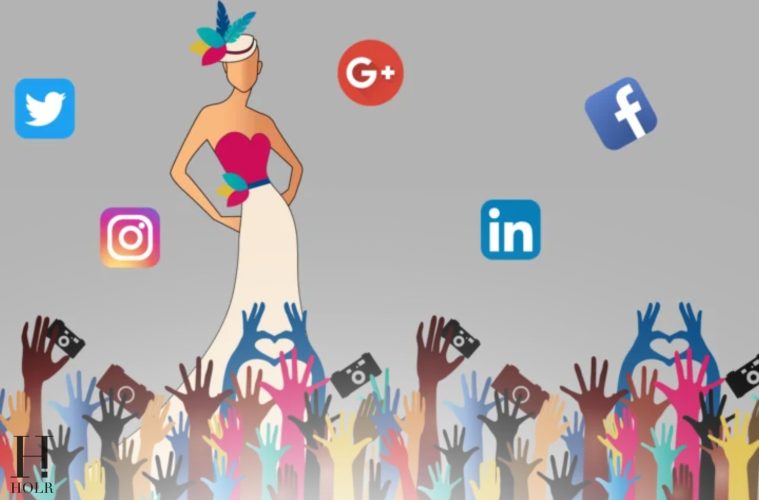
With just a smartphone, celebrities can speak directly to millions of followers within seconds. They no longer need a magazine cover or a television interview to share personal news, announce projects, or respond to rumors. Instead, platforms like Instagram, TikTok, X, YouTube, and Threads have transformed the relationship between celebrities and their audiences.
At the same time, social media has created entirely new kinds of celebrities. Influencers, digital creators, gamers, and content personalities now command audiences that rival—or even surpass—those of Hollywood stars.
Celebrity culture has shifted from carefully managed public appearances to constant digital interaction. Fame is no longer reserved for movie stars alone; it can be built through creativity, authenticity, and consistent online engagement.
HOLR explores how social media permanently changed celebrity culture and why the definition of fame continues to evolve.
Image Credit: netpioneer.co.uk
The Era Before Social Media
Before social media became part of everyday life, celebrities were far less accessible.
Fans eagerly waited for magazine interviews, television appearances, or red-carpet events to catch a glimpse of their favorite actors and musicians. Publicists carefully controlled what information reached the public, and celebrities often maintained a sense of mystery.
This distance contributed to the glamour of fame.
Because audiences rarely saw celebrities outside of professional settings, they often appeared larger than life. Every interview or public appearance felt like a special event.
While this approach helped preserve a carefully crafted public image, it also limited genuine interaction between celebrities and their fans.
Image Credit: deccanchronicle.com
Direct Access Changed Everything
Social media eliminated many of those barriers.
Today, celebrities communicate directly with audiences without relying on traditional media.
A single Instagram Story can reveal behind-the-scenes moments from a movie set.
A TikTok video can showcase a celebrity’s sense of humor.
A live stream allows fans to ask questions in real time.
These interactions make celebrities feel more approachable and relatable.
Instead of only seeing polished red-carpet appearances, audiences now witness everyday moments—morning routines, family celebrations, travel adventures, workouts, and creative processes.
This increased visibility has fundamentally changed how fame is experienced.
Rather than feeling distant, celebrities often feel like familiar personalities appearing daily on people’s phones.
Authenticity Became More Valuable Than Perfection
One of social media’s biggest contributions to celebrity culture is the growing demand for authenticity.
In the past, public images were carefully polished.
Today, audiences increasingly appreciate honesty over perfection.
Celebrities who openly discuss personal challenges, mental health, career setbacks, parenting, or self-doubt often receive positive responses because they appear genuine.
Fans no longer expect flawless public figures.
Instead, they appreciate vulnerability.
Sharing an unfiltered selfie, admitting mistakes, or discussing difficult experiences can strengthen trust between celebrities and their audiences.
Authenticity has become one of the most valuable forms of influence in the digital age.
Fans Became Active Participants
Traditional celebrity culture largely involved one-way communication.
Celebrities performed.
Fans watched.
Social media changed that dynamic completely.
Followers now comment on posts, participate in live streams, create fan edits, share reactions, and interact directly with celebrities.
Although not every message receives a response, the possibility of interaction creates a stronger emotional connection.
Fans feel more involved in a celebrity’s journey, whether celebrating a new movie release, supporting a music album, or discussing fashion choices.
This participation has transformed audiences from passive observers into active communities.
Influencers Redefined Fame
Perhaps the biggest shift brought by social media is that fame is no longer limited to traditional entertainment industries.
Influencers have built enormous audiences without starring in blockbuster films or releasing chart-topping albums.
Beauty creators.
Fitness coaches.
Gamers.
Travel vloggers.
Lifestyle personalities.
Food creators.
These individuals have demonstrated that consistent content and meaningful audience engagement can create influence equal to—or sometimes greater than—that of established celebrities.
This has expanded the definition of celebrity itself.
Today, influence is measured not only by awards or box-office success but also by engagement, community, and digital reach.
Personal Branding Became Essential
Social media transformed celebrities into personal brands.
An Instagram profile now functions as more than a photo gallery.
It represents identity.
Values.
Style.
Business ventures.
Charitable work.
Creative projects.
Many celebrities strategically use their platforms to launch skincare brands, fashion labels, wellness companies, podcasts, production studios, and philanthropic initiatives.
Followers are not simply buying products—they are investing in personalities they admire and trust.
This shift has blurred the lines between celebrity, entrepreneur, and influencer.
Increasingly, public figures are expected to build businesses alongside their entertainment careers.
The Rise of Real-Time Celebrity News
Breaking celebrity news once depended on newspapers, television broadcasts, or entertainment websites.
Today, celebrities often break their own news.
They announce engagements.
Reveal pregnancies.
Share career updates.
Address rumors.
Respond to controversies.
Thank fans after award shows.
Everything happens instantly.
This speed has dramatically changed entertainment journalism.
News spreads globally within minutes, while fans participate in discussions almost immediately.
As a result, celebrity culture has become faster, more interactive, and constantly evolving.
Social Media Made Fame More Global
Social media has also expanded celebrity culture beyond Hollywood.
Artists, actors, athletes, and creators from around the world can now build international audiences without relying solely on traditional media markets.
A viral video from South Korea, India, Brazil, or Nigeria can reach millions of viewers worldwide in just a few hours.
Streaming platforms and social media work together to introduce audiences to talent across languages and cultures.
This globalization has made celebrity culture more diverse than ever before, allowing fans to discover entertainers they might never have encountered a decade ago.
The Challenges of Always Being Online
While social media has created exciting opportunities for celebrities, it has also introduced significant challenges.
Unlike previous generations of stars, today’s public figures often face constant scrutiny. Every photo, comment, or live video can quickly become headline news, and a single post may spark widespread discussion within minutes.
This “always-on” culture means celebrities rarely have the opportunity to step away from public attention. Fans expect regular updates, while algorithms reward consistent activity. As a result, many celebrities feel pressure to remain visible to maintain engagement and relevance.
At the same time, social media has blurred the line between public and private life. Sharing personal milestones can strengthen fan relationships, but it can also invite criticism, speculation, and unwanted attention.
Finding the right balance has become one of the biggest challenges of modern fame.
The Rise of Influencer Marketing
Social media didn’t just change celebrity culture—it also transformed advertising.
Traditional celebrity endorsements once revolved around television commercials, magazine campaigns, and billboards. Today, a single Instagram Reel or TikTok video can introduce millions of followers to a product in a matter of hours.
Brands increasingly collaborate with celebrities because audiences value recommendations that feel more personal than traditional advertisements.
Many public figures have gone beyond endorsements by launching their own businesses.
Beauty brands.
Fashion labels.
Wellness companies.
Skincare lines.
Beverage brands.
Production companies.
These ventures allow celebrities to build long-term businesses while strengthening their personal brands.
This entrepreneurial approach has become one of the defining characteristics of modern celebrity culture.
Fans Now Shape Celebrity Careers
Perhaps the most significant shift brought by social media is the growing influence of fans.
Audience feedback now plays a larger role than ever before.
Fans stream music.
Vote in online polls.
Support crowdfunding campaigns.
Share viral content.
Create fan edits.
Promote hashtags.
Recommend television shows.
In many cases, enthusiastic fan communities can help turn emerging artists into global stars.
Likewise, negative public reactions can spread quickly and influence public perception.
This has made celebrity culture far more interactive than it was during previous decades.
Celebrities are no longer simply speaking to audiences—they are participating in ongoing conversations with them.
Virality Can Create Overnight Fame
One of the most remarkable changes social media introduced is the speed at which fame can happen.
In the past, careers often developed over several years.
Today, a single viral moment can transform an unknown creator into an internationally recognized personality almost overnight.
A dance trend.
A comedy sketch.
A heartfelt story.
A beauty tutorial.
A music clip.
Any of these can reach millions of viewers within days.
Although viral success doesn’t always lead to lasting careers, it has permanently changed the entertainment industry by creating new pathways to recognition.
Talent remains important, but visibility and digital engagement now play an equally significant role.
Celebrities Are Using Their Platforms for Social Impact
Social media has also given celebrities new ways to engage with important issues.
Many public figures now use their platforms to raise awareness about mental health, environmental sustainability, education, diversity, charitable initiatives, and humanitarian causes.
Rather than waiting for interviews or public appearances, celebrities can immediately share fundraising campaigns, encourage community action, or provide updates during global events.
This direct communication allows audiences to see another side of public figures beyond entertainment.
While opinions may vary on individual issues, many fans appreciate seeing celebrities use their influence to support causes they care about.
The Future of Celebrity Culture
As technology continues to evolve, celebrity culture will likely keep changing alongside it.
Artificial intelligence, virtual influencers, immersive digital experiences, and new social platforms are already reshaping how audiences consume entertainment.
Virtual meet-and-greets, interactive live streams, AI-generated content, and augmented reality experiences may become increasingly common.
However, one principle is unlikely to change.
People will always seek authentic human connection.
Whether through a heartfelt video, an honest interview, or a simple behind-the-scenes moment, audiences continue to value celebrities who appear genuine, relatable, and transparent.
Technology may change the platforms, but authenticity remains timeless.
Final Thoughts
Social media has transformed celebrity culture in ways few could have imagined twenty years ago.
It has broken down barriers between public figures and their audiences, created entirely new forms of fame, and turned celebrities into entrepreneurs, storytellers, and digital creators.
At the same time, it has introduced new challenges surrounding privacy, public scrutiny, and the pressure to remain constantly connected.
Today’s celebrities are expected to do more than entertain.
They communicate directly with fans.
Build businesses.
Support social causes.
Create engaging content.
Respond to public conversations in real time.
Perhaps the greatest legacy of social media is that it has redefined what it means to be famous.
Celebrity culture is no longer built solely through movies, music, or television.
It is shaped every day through conversations, creativity, community, and connection.
As new platforms continue to emerge, the tools may change—but the human desire to connect with inspiring stories and personalities will remain at the heart of celebrity culture.
FAQs
How has social media changed celebrity culture?
Social media has made celebrities more accessible by allowing them to communicate directly with fans, build personal brands, and share real-time updates without relying solely on traditional media.
Why is social media important for celebrities today?
It helps celebrities engage with audiences, promote projects, launch businesses, support charitable causes, and maintain visibility in a highly competitive entertainment industry.
How did influencers change the definition of celebrity?
Influencers proved that people can build large audiences through digital content alone, expanding the idea of celebrity beyond film, television, and music.
What are the biggest stories trending online today? Read the latest here
Published by HOLR Magazine