


Late-night commentary reignites political media debate
Jimmy Kimmel weighs in with sharp critique
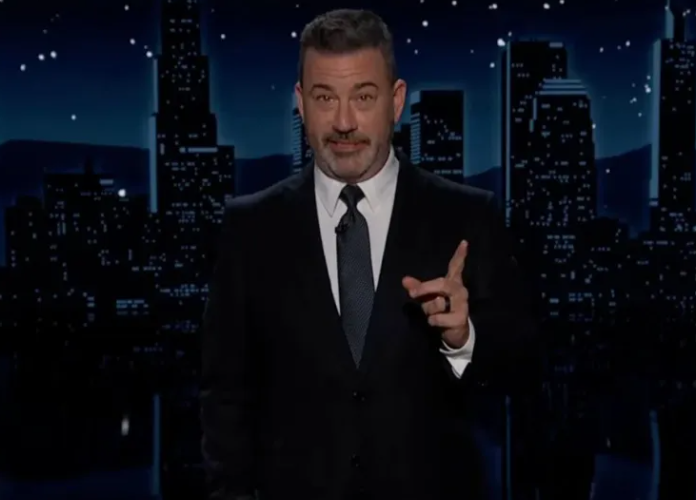
April 22, 2026: Jimmy Kimmel has reignited conversation around political media personalities after taking aim at Tucker Carlson, describing him as “still plenty nuts” despite a reported apology regarding his past support of Donald Trump.
The remark came during a recent monologue, where Kimmel blended humor with pointed commentary—a style that has long defined his approach to political satire. His comments quickly circulated online, drawing attention from both supporters and critics.
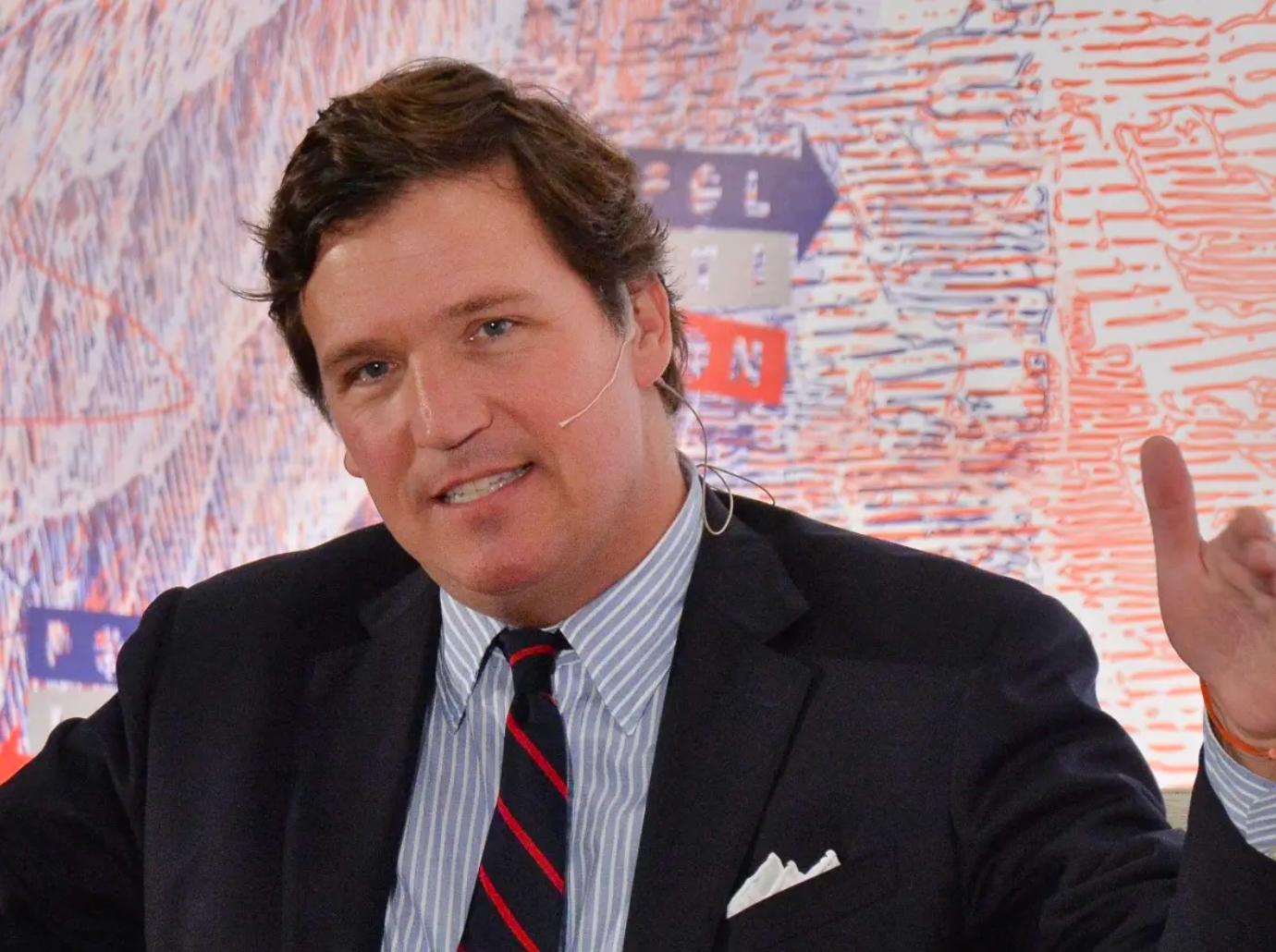
Image Credit: MEGA
The context behind Carlson’s apology
Tucker Carlson has recently been associated with statements reflecting on his past alignment with Donald Trump. Reports suggest that Carlson acknowledged certain misjudgments, prompting discussion across media platforms.
While the specifics of the apology remain subject to interpretation, the broader narrative centers on how public figures reassess their positions over time—particularly in a rapidly shifting political landscape.
Kimmel’s reaction adds another layer to that conversation, framing the apology within a broader critique of Carlson’s public persona.
Comedy as a vehicle for political commentary
For Jimmy Kimmel, moments like this are central to his role as a late-night host. His monologues often serve as a bridge between entertainment and political discourse, using humor to interpret current events.
By labeling Carlson “still plenty nuts,” Kimmel delivers a punchline that doubles as commentary. The phrasing reflects a broader tradition in late-night television, where exaggerated language is used to underscore a critical viewpoint.
This approach resonates with audiences who look to comedy as both entertainment and a way to process complex issues.
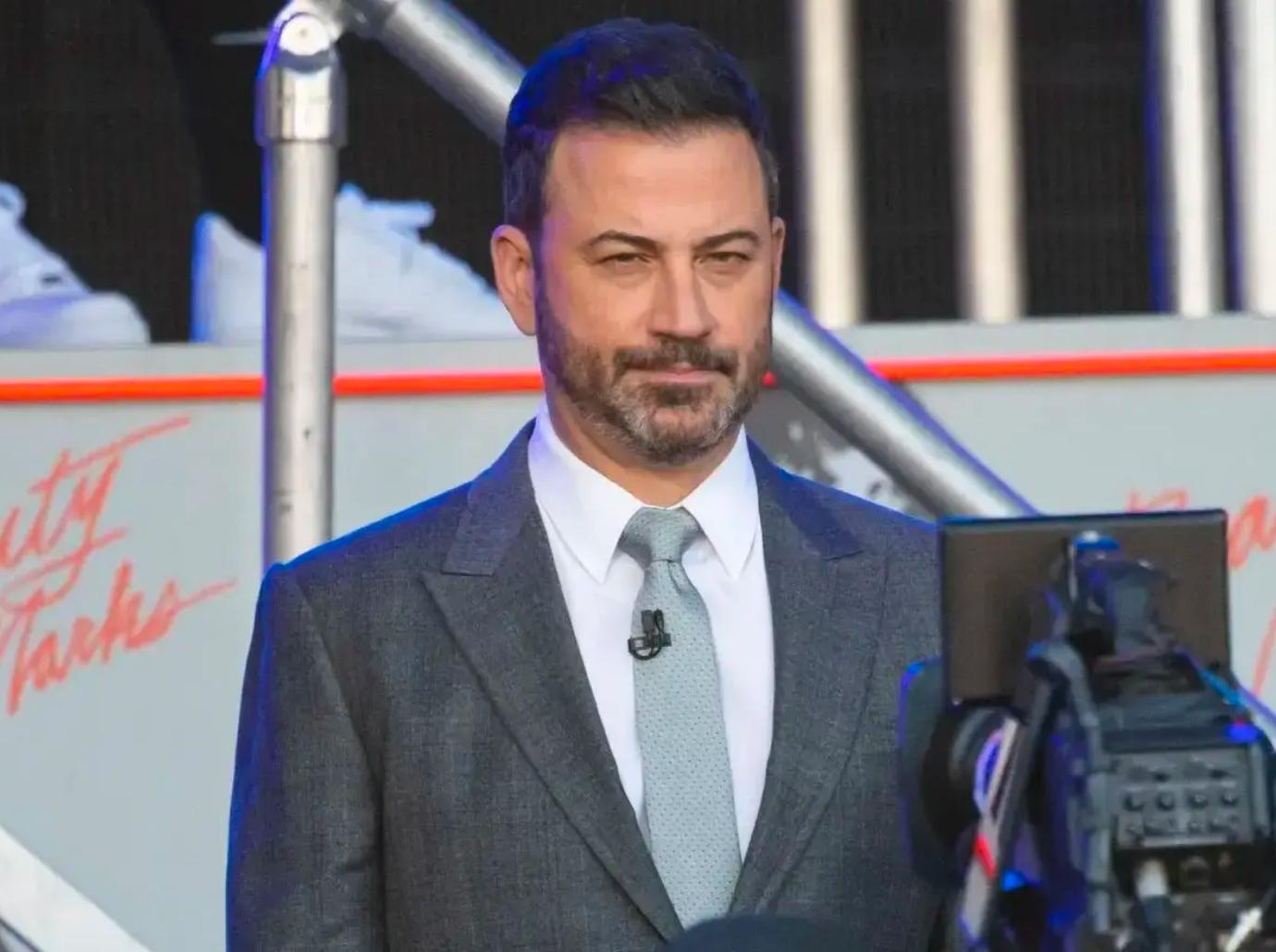
Image Credit: MEGA
Tucker Carlson’s ongoing media presence
Despite shifts in platform and public perception, Tucker Carlson remains a prominent figure in political media. His commentary continues to attract attention, ensuring that any new statement or development becomes part of a larger narrative.
The reported apology—and the reaction to it—illustrates how Carlson’s influence persists, even as his role within the media landscape evolves.
The intersection of satire and political discourse
Kimmel’s remarks highlight the increasingly blurred line between satire and traditional political commentary. Late-night hosts are no longer just entertainers; they are also key voices in shaping public conversations.
This dynamic can amplify certain narratives, as jokes and soundbites often spread rapidly across digital platforms. In this case, Kimmel’s comment has contributed to ongoing debates about Carlson’s credibility and public image.

Image Credit: Alex Brandon/AP Phot
Public reaction and divided responses
As with many politically charged moments, reactions to Kimmel’s remarks have been mixed. Supporters of the comedian view his comments as a justified critique delivered through humor, while critics see them as dismissive or overly harsh.
This division reflects broader polarization within media audiences, where interpretations of the same statement can vary widely depending on perspective.
A familiar dynamic in modern media
The exchange between Kimmel and Carlson fits into a larger pattern of interaction between entertainers and political commentators. Such moments often generate attention not only because of what is said, but because of who is saying it.
In this environment, late-night commentary becomes part of the broader media ecosystem, influencing how audiences engage with political narratives.

Image Credit: Getty Images
What this moment represents
Beyond the specific individuals involved, the situation underscores the evolving nature of public discourse. Apologies, critiques, and reactions now unfold in a highly visible and immediate way, shaped by both traditional media and online platforms.
Kimmel’s comment serves as a reminder of how quickly these moments can become part of the cultural conversation.
Final Thoughts
Jimmy Kimmel’s jab at Tucker Carlson reflects the enduring role of satire in political media. By responding to Carlson’s reported apology with humor, Kimmel adds to an ongoing dialogue about accountability, perception, and public image.
As audiences continue to engage with these narratives, moments like this highlight the complex relationship between comedy, commentary, and contemporary media culture.
FAQs
Q1: What did Jimmy Kimmel say about Tucker Carlson?
He joked that Carlson is “still plenty nuts” despite his reported apology.
Q2: Why did Tucker Carlson apologize?
Reports suggest it was related to his past support of Donald Trump.
Q3: Where did Kimmel make these comments?
During a late-night monologue on his show.
Q4: How have people reacted?
Reactions have been divided, with both support and criticism.
Q5: Why is this significant?
It highlights how comedy and political commentary intersect in modern media.
Published by HOLR Magazine