



Finding a sense of calm within a chaotic daily routine feels difficult for busy professionals. Many individuals constantly look for simple methods to anchor their minds during stressful moments. Pausing helps reset your focus before stress builds up too heavily.
New habits allow people to remain grounded without shifting their packed schedule. These modern approaches fit easily into a normal routine without requiring hours of free time. Small adjustments yield the most significant benefits for mental clarity.

Committing To Daily Intentions
Setting a clear focus every morning changes how the rest of your day unfolds. Minor shifts in your attention create a massive difference in daily stress levels. Committing to a single positive thought helps guide daily choices throughout a busy schedule.
Finding peace during a hectic workday requires a reliable method to soothe your thoughts. When individuals explore grounded approaches such as Practical Enlightenment, they often discover simple habits that help them stay balanced. This balanced state makes it much easier to handle unexpected challenges without feeling overwhelmed.
Individuals find success when they focus on one minor goal at a time. Taking a few quiet moments before checking messages sets a positive tone for the morning. Steady progress builds confidence that carries you through difficult moments.
Morning Meditation Habits
Waking up early provides an excellent window for mental conditioning before tasks accumulate. Starting the morning with silence prepares the brain to handle upcoming duties efficiently. This dedicated time prevents that rushed feeling during the early hours when you need quiet.
A recent industry report notes that nearly two-thirds of practitioners meditate daily. The published findings indicate that morning practice serves as the clear anchor of the day. This regular schedule helps people maintain emotional stability throughout their afternoon meetings.
Consistency builds a much stronger habit over consecutive weeks of practice. Sitting quietly before checking electronic messages protects your peace against outside distractions. Committing to this block of time pays massive dividends for your long-term health.
Actionable Structured Frameworks
Broad health goals frequently lead to confusion and dropped habits after a few days. Using a structured system helps turn vague desires into clear steps. Defining your targets removes the guesswork from building a routine.
A mental health publication suggests using specific and measurable milestones to track progress effectively. This structured framework turns vague intentions into actionable steps for daily life. Knowing exactly what to do next keeps motivation high.
Tracking progress keeps your intentions crystal clear throughout the month. Reviewing your progress regularly prevents you from drifting away from your goals. Examine these 3 elements:
- Clear targets for your routine
- Measurable outcomes to review each week
- Time-bound achievements to hit
Regulating The Nervous System
Modern environments keep human bodies in a constant state of alert. Endless phone notifications and packed calendars trigger a continuous stress response. Finding ways to soothe this tension is critical for long-term health.
A wellness summit report explains that managing these bodily stress responses represents the next major boundary in wellness. Digital life keeps nervous systems in a state of fight-or-flight. Shifting away from panic allows the mind to rest completely.
Biofeedback tools help individuals track real-time stress levels during the day. Learning to slow your heart rate improves resilience against workspace frustrations. Consistent monitoring teaches you to recognize panic early, before it alters your mood.
Proactive Emotional Fitness
Mental care is shifting from a reactive fix toward a preventive habit. Exercising your emotions builds strength before stressful situations arise. Preparing your mind in advance makes handling bad news much easier.
This forward-thinking method shapes personal regeneration by preventing burnout before it begins. Training your mind behaves just like lifting weights at the gym. Regular practice makes sure that you possess the strength required for tough days.
Daily check-ins allow individuals to acknowledge current feelings without harsh self-judgment. This habit creates a protective buffer against future anxiety. Dedicating time to your feelings prevents emotional build-up from causing harm during the week.
Workplace Sharpness Focus
Staying productive requires extreme concentration amid office distractions and electronic messages. Workplace environments benefit when employees take brief mental pauses during long shifts. Short rests allow the brain to reset its energy supplies before the next task.
Presence-based exercises lead to better attention and superior job execution. Taking 5 minutes to breathe deeply improves accuracy on complex assignments. Workers perform at a higher standard when they handle stress properly in real time.
Forward-thinking employers now offer dedicated quiet zones for staff members. These short breaks prevent errors and keep teams feeling balanced. Investing in mental rest reduces turnover rates significantly.
Movement-Based Meditation
Sitting perfectly still creates frustration for energetic personalities. Active options provide an excellent alternative for minds that struggle with quiet sitting. Moving your body helps release physical tension naturally.
Dynamic techniques involve continuous physical motion to soothe the brain. Walking or stretching gently guides the mind into a natural state of relaxation. Active styles bridge the gap for people who dislike standard routines.
Deep flow states occur much more easily when your limbs are actively engaged. Gentle physical rhythms clear away mental clutter without requiring stiff stillness. Consider these simple movements:
- Slow walking in a quiet park
- Gentle stretching before bed
- Rhythmic breathing during exercises
Experiential Social Spaces
Public relaxation spaces are shifting toward a community layout to encourage shared experiences. People now prefer gathering together rather than sitting in complete isolation. This layout setup changes how groups approach physical recovery and mental wellness.
Steam rooms are becoming interactive social environments instead of silent rooms. This design shift allows participants to share their relaxation journeys. Transforming these spaces turns a solitary habit into a supportive activity.
Group environments offer a welcoming atmosphere for anyone trying to reduce daily stress. Traditional bathing rituals combine social connection with physical relief. Sharing the experience builds a strong sense of belonging among participants.
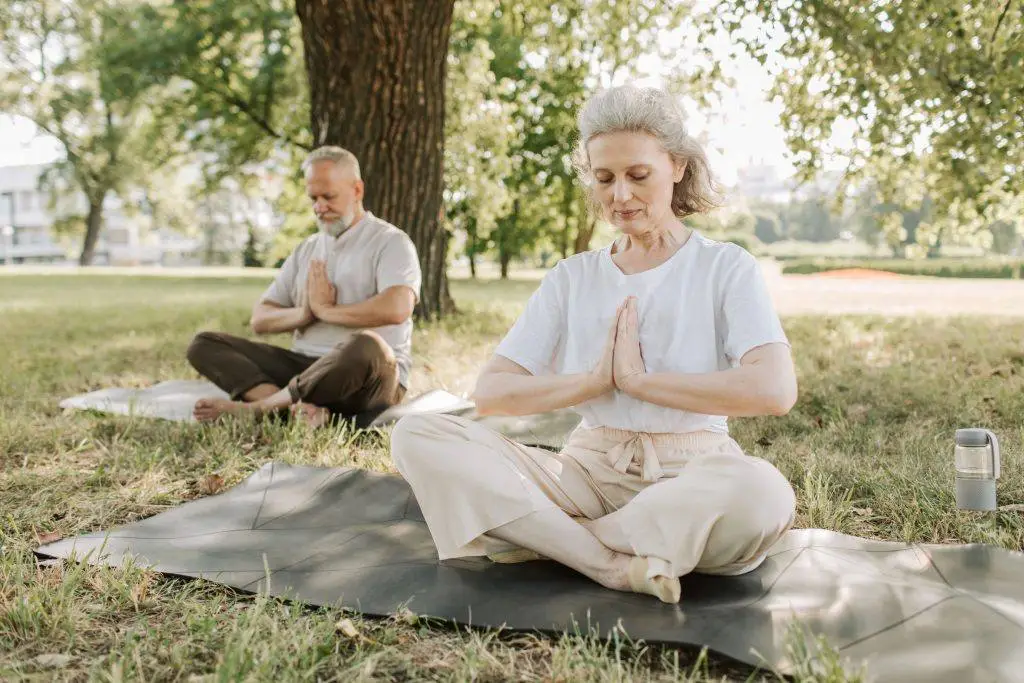
Adopting new habits takes time and daily patience. Exploring these distinct trends helps you discover what matches your individual lifestyle preferences best. No single approach works perfectly for every individual trying to calm their mind.
Small adjustments lead to lasting mental clarity and improved resilience over the years. Committing to a brief daily practice supports your well-being without overwhelming your schedule. Prioritizing your inner peace remains a powerful step for long-term health.
Published by HOLR Magazine.