


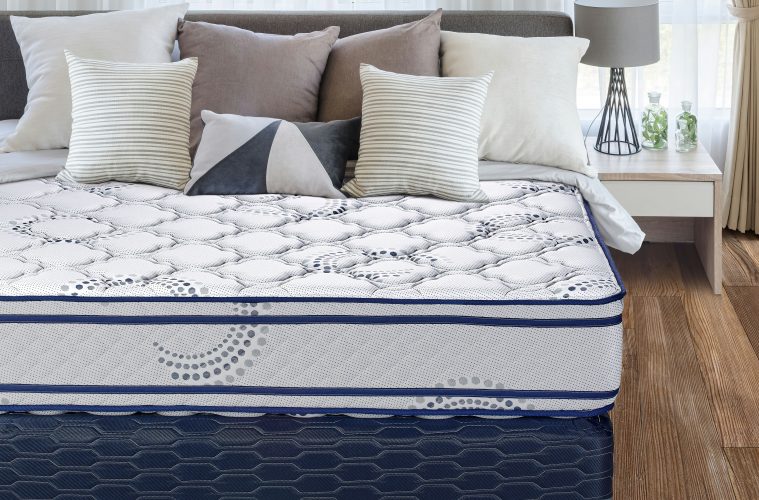
We spend roughly one-third of our lives sleeping. That’s a significant chunk of time resting on a surface that directly affects our health, comfort, and overall well-being. Yet, surprisingly, many people don’t think deeply about what their mattress is actually made of — or how those materials impact not just their sleep quality, but also the environment around them.
Over the past decade, there has been a noticeable shift in how people approach sleep. More consumers are moving away from synthetic, chemically treated bedding products and turning toward natural, sustainable alternatives. Among those alternatives, the bamboo mattress has quickly risen to the top of the list — and for very good reasons.
What Exactly Is a Bamboo Mattress?
A bamboo mattress is a type of mattress that incorporates bamboo-derived materials into its construction. This is typically found in the cover fabric or the top comfort layers. Bamboo fibers are extracted from the bamboo plant and processed into a soft, breathable fabric that is used to wrap the mattress or blend into its foam layers.
It’s worth noting that the term “bamboo mattress” can mean slightly different things depending on the product. Some mattresses feature bamboo-blended covers, while others incorporate bamboo-infused memory foam — meaning bamboo charcoal particles are mixed into the foam itself to enhance airflow and temperature regulation. Both approaches leverage the natural properties of bamboo to create a more comfortable and health-conscious sleeping surface.
Why Bamboo? The Natural Advantages You Can’t Ignore
Bamboo as a plant is remarkable. It is one of the fastest-growing plants on Earth, capable of growing several feet in a single day without the need for fertilizers or excessive water. It naturally repels pests, making pesticides largely unnecessary. From a sustainability standpoint, bamboo is as close to a miracle crop as nature offers.
When those inherent properties are translated into mattress materials, the benefits carry over in meaningful ways.
Temperature Regulation
One of the most praised qualities of a bamboo mattress is its ability to regulate body temperature throughout the night. Bamboo fibers are naturally breathable and moisture-wicking, which means they draw heat and sweat away from the body. For people who tend to sleep hot or wake up drenched in sweat, this is a game-changer. Traditional memory foam mattresses are notorious for trapping heat, but when bamboo materials are introduced — either in the cover or infused into the foam — that problem is significantly reduced.
Hypoallergenic Properties
Bamboo is naturally hypoallergenic, antimicrobial, and resistant to dust mites. For people with allergies, asthma, or sensitive skin, sleeping on a bamboo mattress can mean fewer reactions, less congestion in the morning, and an overall cleaner sleep environment. This is particularly important for children, elderly individuals, or anyone with respiratory sensitivities.
Softness and Comfort
Anyone who has ever touched bamboo fabric knows how remarkably soft it feels — often compared to silk or cashmere. This softness translates directly into the sleeping experience. A bamboo mattress tends to feel gentle against the skin while still providing the structural support the body needs throughout the night.
Eco-Friendly Choice
For the environmentally conscious consumer, choosing a bamboo mattress is a meaningful decision. Bamboo is a renewable resource that regenerates rapidly without depleting soil quality. Choosing products made from bamboo over synthetic alternatives reduces the environmental footprint associated with your sleep setup.
Who Benefits Most From a Bamboo Mattress?
The short answer is — almost everyone. But certain groups of people may find a bamboo mattress particularly transformative:
- Hot sleepers who wake up overheated will appreciate the cooling and breathable nature of bamboo materials.
- Allergy sufferers will benefit from the hypoallergenic and antimicrobial properties that keep allergens at bay.
- Eco-conscious consumers who want their purchasing decisions to align with their environmental values.
- People with sensitive skin who need softer, chemical-free sleeping surfaces.
- Light sleepers who are easily disturbed by discomfort, temperature changes, or night sweats.
The Importance of Mattress Materials in Long-Term Health
Most people think about mattress firmness when shopping for a new bed. While firmness certainly matters, the materials used in construction deserve just as much attention. Low-quality materials can off-gas harmful chemicals, trap heat, harbor allergens, and degrade quickly — all of which negatively affect sleep quality over time.
A bamboo mattress, by contrast, is typically crafted with health and longevity in mind. The natural fibers resist breakdown and maintain their functional properties for longer periods. This means the investment pays off not just in night-one comfort but in consistent, quality sleep for years down the road.
Making the Switch: What to Consider
If you’re thinking about transitioning to a bamboo mattress, there are a few things worth keeping in mind.
First, consider your sleeping position. Side sleepers generally benefit from a slightly softer mattress to cushion the hips and shoulders, while back and stomach sleepers may prefer more firmness for proper spinal alignment. A good bamboo mattress comes in various firmness levels to accommodate different preferences.
Second, think about thickness. Mattress thickness affects both comfort and support. Thicker mattresses tend to offer more layered support, which can be especially beneficial for heavier individuals or those with chronic back pain.
Third, consider the overall construction. A bamboo mattress that combines natural bamboo materials with a supportive foam core — such as memory foam — offers the best of both worlds: the natural benefits of bamboo with the contouring support of modern foam technology.
Final Thoughts
Sleep is not a luxury. It’s a biological necessity that influences everything from cognitive function to immune health, emotional balance, and physical recovery. The surface you sleep on plays a larger role in that equation than many people realize.
A bamboo mattress represents a thoughtful intersection of natural living and modern comfort. It addresses common sleep complaints — from overheating to allergies to skin sensitivity — with a solution rooted in one of the world’s most sustainable and versatile plants. As awareness around sleep health and environmental responsibility continues to grow, it’s no surprise that more and more people are making the switch to bamboo.
Published by HOLR Magazine.