


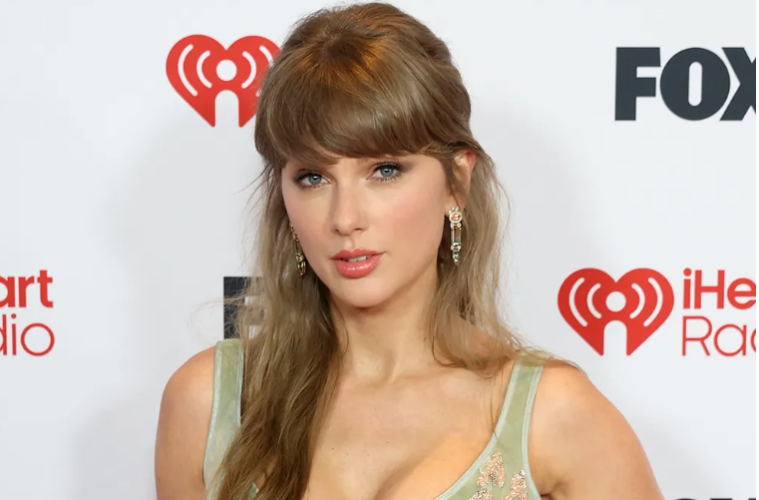
The singer pushes back on speculation about her songwriting inspirations
Taylor Swift Addresses Fan Theories Head-On
April 28, 2026 – Taylor Swift is calling out a long-standing fan habit of dissecting her lyrics to identify real-life inspirations, saying it’s “weird” when listeners turn her songs into what she described as “paternity tests.”
Speaking candidly, Swift emphasized that her music should not be reduced to speculation about who specific lyrics are about. Her comments highlight a recurring tension between artistic expression and audience interpretation, particularly for artists whose personal lives are frequently scrutinized.
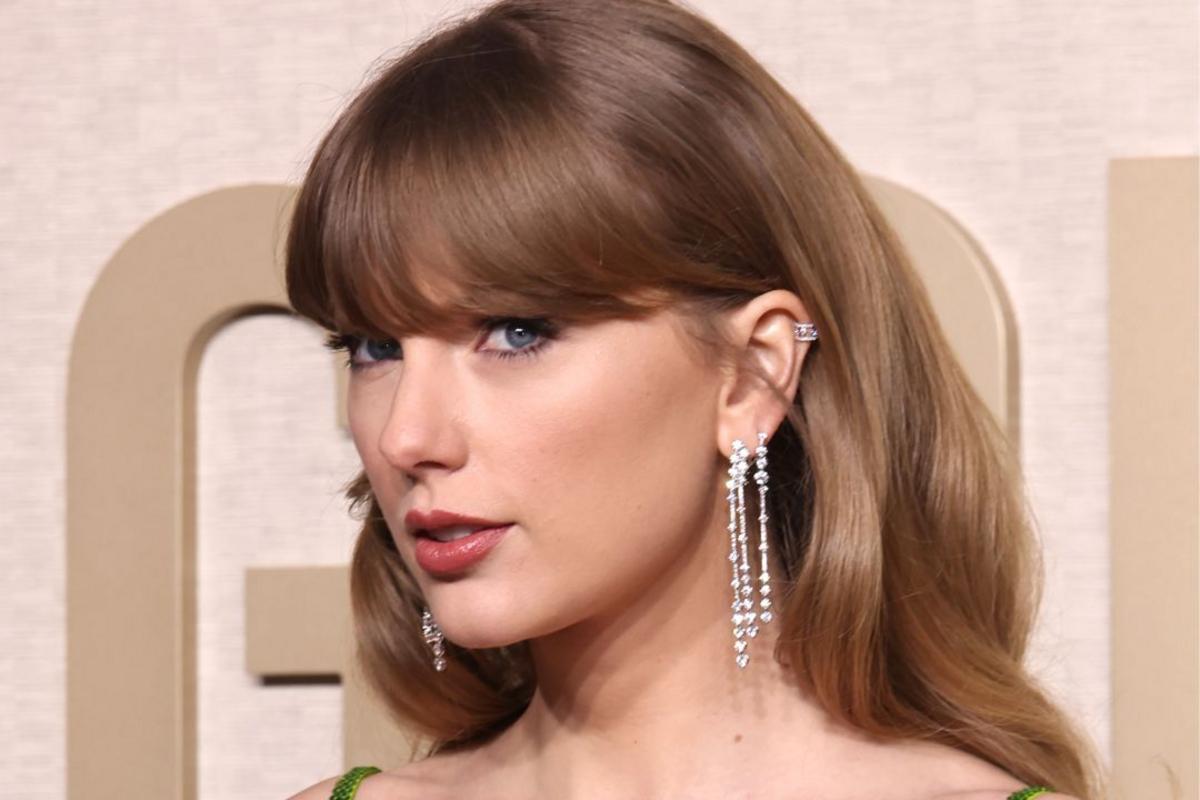
Image Credit: Getty Images
‘The Dude Didn’t Write the Song. I Did’
In her remarks, Taylor Swift made it clear that she wants the focus to remain on her work rather than the people fans believe inspired it. “The dude didn’t write the song. I did,” she said, reinforcing her authorship and creative ownership.
This statement reflects a broader message about agency in songwriting. By shifting attention away from rumored muses, Swift is asserting control over how her music is understood and appreciated.
The Culture of Lyric Analysis
Fans of Taylor Swift have long been known for analyzing her lyrics in detail, often attempting to connect them to her personal relationships. This practice has become a defining aspect of her fandom, contributing to the ongoing conversation around her music.
While such analysis can deepen engagement, it can also lead to oversimplification. Reducing songs to biographical clues may overlook the broader themes, emotions, and storytelling techniques that define Swift’s work.

Image Credit: Axelle/Bauer-Griffin/FilmMagic
Balancing Storytelling and Privacy
One of the reasons Taylor Swift’s music resonates so strongly is its emotional authenticity. Her songs often draw from personal experiences, making them relatable to listeners. However, this openness can blur the line between storytelling and privacy.
Swift’s comments suggest a desire to maintain that balance. By addressing the issue directly, she is setting boundaries while still acknowledging the connection fans feel to her music.
The Evolution of Swift’s Songwriting
Over the years, Taylor Swift has evolved as a songwriter, moving from narrative-driven country songs to more complex and varied musical styles. Her work now encompasses a wide range of themes, from personal reflection to fictional storytelling.
This evolution challenges the idea that every song is a direct reflection of her personal life. By expanding her creative scope, Swift has demonstrated that her music cannot be easily categorized or decoded through speculation alone.
Fan Reactions and Ongoing Debate
Swift’s comments have sparked discussion among fans, with reactions ranging from agreement to continued curiosity. Some listeners appreciate her push for a more respectful and nuanced approach to her music, while others see lyric analysis as part of the fun of being a fan.
This divide reflects the broader relationship between artists and audiences in the digital age, where access to information and constant engagement can blur traditional boundaries.
The Impact on Artist-Fan Dynamics
The interaction between Taylor Swift and her fans highlights the evolving nature of artist-fan dynamics. Social media and online communities have created spaces where interpretations and theories can spread rapidly, shaping how music is perceived.
Swift’s response serves as a reminder that while fan engagement is valuable, it should not overshadow the artist’s intent. Respecting creative ownership is an essential part of maintaining a healthy relationship between artists and their audiences.
A Broader Conversation in Music
The issue raised by Taylor Swift is not unique to her. Many artists face similar challenges when their work is closely tied to their personal lives. The balance between authenticity and privacy remains a central concern in modern music.
Her comments contribute to a larger conversation about how audiences engage with art and the importance of recognizing the creator’s perspective.
Final Thoughts
Taylor Swift’s critique of fans turning her songs into “paternity tests” underscores the complexities of interpreting music in a highly connected world. By asserting her authorship and setting boundaries, she is encouraging listeners to engage with her work in a more thoughtful way.
As her career continues to evolve, this conversation is likely to remain relevant. Ultimately, Swift’s message is clear: her music should be appreciated for its artistry, not reduced to speculation about its origins.
FAQs
Q1: What did Taylor Swift say about fans analyzing her songs?
She said it’s “weird” when fans turn her songs into “paternity tests” to identify who they’re about.
Q2: What does she mean by that phrase?
She’s criticizing the habit of trying to assign each song to a specific person in her life.
Q3: Why is this issue important?
It highlights the balance between artistic expression and personal privacy.
Q4: How have fans reacted?
Reactions are mixed, with some agreeing and others continuing to speculate.
Q5: What is her main message?
She wants the focus to remain on her songwriting rather than on rumored inspirations.
Published by HOLR Magazine