



Actor’s comments reignite discussion on legality and ethics
Russell Brand responds to resurfaced claims
April 23, 2026 – Russell Brand is facing renewed scrutiny after acknowledging that he had a relationship with a 16-year-old when he was 30, while maintaining that he did not believe his actions were wrong. His comments have quickly drawn widespread attention, reigniting debates around legality, ethics, and accountability.
Brand emphasized that the relationship occurred in a jurisdiction where the age of consent is 16, referencing laws in the United Kingdom and parts of Europe. However, the acknowledgment has prompted strong reactions, with many focusing less on legality and more on the ethical implications.
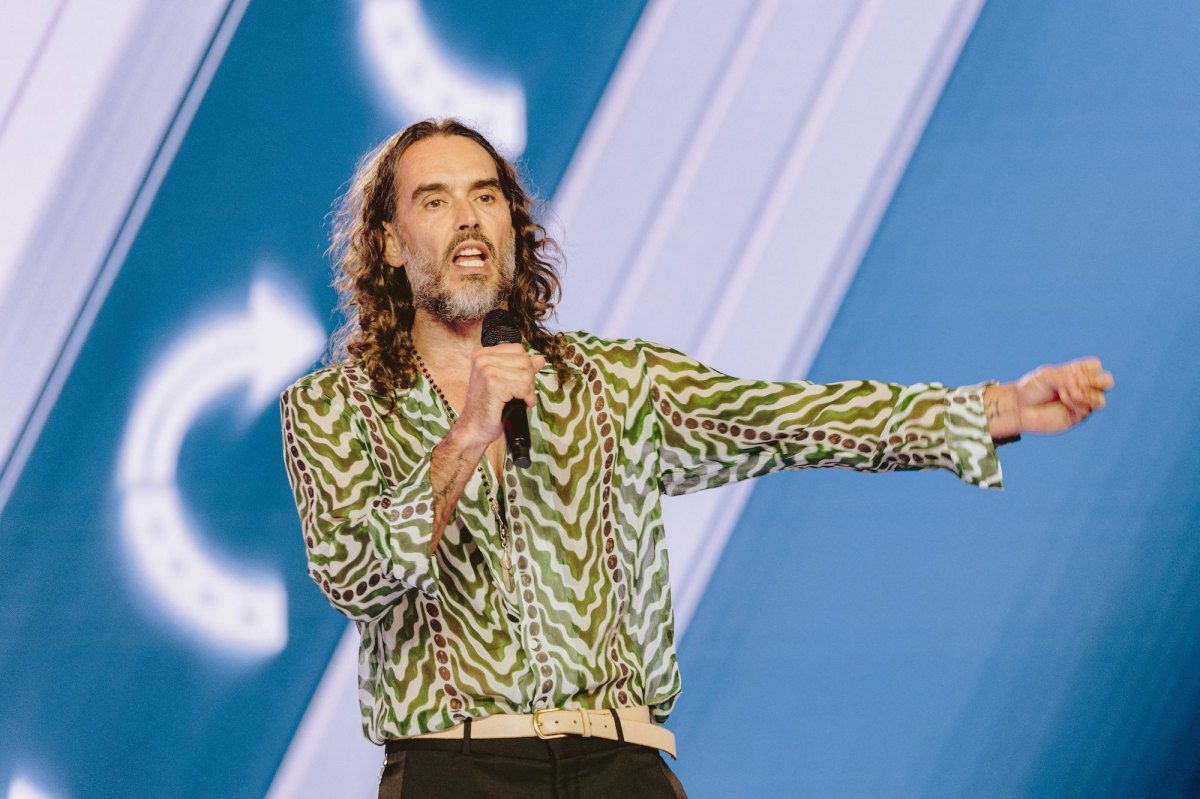
Image Credit: Getty Images
The distinction between legality and ethics
At the center of the controversy is a key distinction: what is legally permissible versus what is socially or ethically acceptable. While age-of-consent laws vary by country, public perception often extends beyond legal frameworks to consider issues such as power dynamics, maturity, and responsibility.
In this case, critics argue that the significant age difference raises concerns regardless of legal context. Supporters of Brand’s position, meanwhile, point to the importance of understanding regional laws and cultural differences.
The situation highlights how legal standards do not always align with public expectations or moral judgments.
Public reaction and cultural context
The response to Russell Brand’s statement has been largely critical, particularly across social media platforms where discussions around consent, age gaps, and accountability are highly visible. Many commentators have questioned the framing of the situation, emphasizing the need to consider broader social implications.
At the same time, some voices have focused on the legal context, noting that laws are designed to define boundaries within specific jurisdictions. This divide in reactions reflects broader societal debates about how such issues should be understood and discussed.

Image Credit: Getty Images
The role of public figures in sensitive discussions
As a high-profile personality, Brand’s comments carry additional weight. Public figures often influence conversations simply by speaking on controversial topics, shaping how audiences interpret complex issues.
This dynamic places added responsibility on how such statements are communicated and contextualized. Discussions involving age, consent, and relationships require careful consideration, particularly when they intersect with differing legal and cultural standards.
Understanding age-of-consent laws
Age-of-consent laws are established to define the legal threshold at which an individual can engage in consensual relationships. These laws vary widely across countries, reflecting different cultural, legal, and historical perspectives.
In the United Kingdom, the age of consent is 16. However, legal frameworks often include additional considerations, such as positions of authority or exploitation, which can influence how cases are evaluated.
Understanding these nuances is essential when discussing situations that involve cross-cultural or international contexts.
Broader conversations about accountability
The discussion surrounding Brand’s comments extends beyond the specifics of the case. It touches on broader questions about accountability, personal responsibility, and how past actions are evaluated in the present.
In recent years, there has been increased attention on how public figures address past behavior, with audiences expecting greater transparency and reflection. This shift has influenced how such statements are received and analyzed.
Media amplification and narrative formation
The rapid spread of Brand’s comments demonstrates how quickly narratives can form in today’s media environment. Headlines, excerpts, and social media posts can shape public perception before full context is widely understood.
This amplification can intensify reactions, making it more challenging to separate factual details from interpretation. As a result, discussions often evolve into broader debates about values and societal norms.

Image Credit: Getty Images
A complex and evolving conversation
The situation underscores the complexity of discussions around consent, legality, and ethics. There are no simple answers, and perspectives can vary significantly depending on cultural, legal, and personal viewpoints.
What remains clear is that such conversations are becoming more prominent, reflecting changing expectations around behavior and accountability.
Final Thoughts
Russell Brand’s acknowledgment has sparked a multifaceted debate that goes beyond the specifics of his statement. While legal context plays a role, the broader conversation is centered on ethics, perception, and responsibility.
As public discourse continues to evolve, moments like this highlight the importance of thoughtful, nuanced discussion when addressing sensitive issues.
FAQs
Q1: What did Russell Brand say?
He acknowledged having a relationship with a 16-year-old when he was 30, stating it was legal where it occurred.
Q2: Why is this controversial?
Because many people view the age difference as ethically concerning, regardless of legality.
Q3: What is the age of consent in the UK?
It is 16, though additional legal considerations may apply in certain situations.
Q4: How have people reacted?
Reactions have been largely critical, with ongoing debate online.
Q5: What is the broader issue?
It involves the intersection of legality, ethics, and public accountability.
Published by HOLR Magazine