


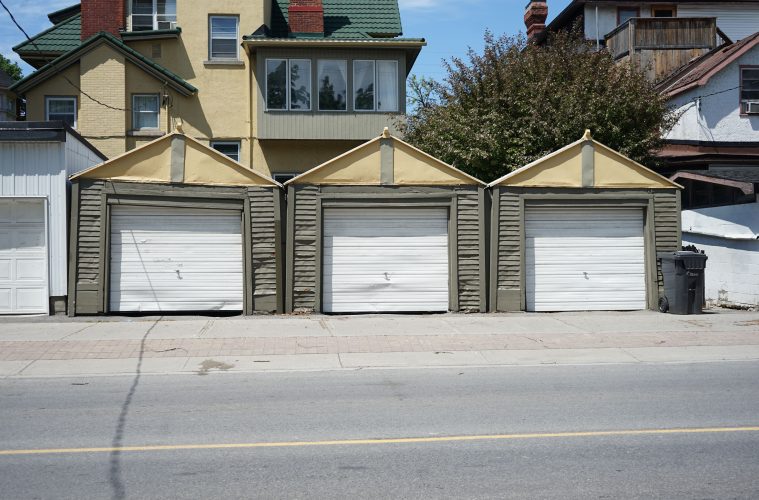
The garage may hold more than holiday decorations, dusty boxes, and unfinished projects. Sporting equipment, power tools, collectibles, and aging vehicles can all generate extra money when they are evaluated carefully and sold through the right channel.
A weekend cleanup could uncover hundreds or even thousands of dollars in overlooked belongings. The challenge is knowing what deserves a listing, what should be bundled together, and what has reached the point where recycling or scrapping makes better financial sense.
Start With a Purposeful Garage Sort
Most garages accumulate years of belongings that no longer serve a purpose. Instead of tackling everything at once, work through one shelf, cabinet, or storage area at a time to avoid becoming overwhelmed.
Create separate groups for items you plan to keep, sell, donate, recycle, or throw away. Anything marked for sale should be cleaned, inspected, tested, and photographed before it is listed online or offered locally.
As you sort, pay attention to duplicates. Many households own several extension cords, tool sets, sports balls, or gardening supplies that rarely get used. Selling extras creates more space while putting money back in your pocket.
Calculate Your Junk Car Worth
An older vehicle may occupy the largest amount of garage or driveway space while quietly losing value every year. Before paying for another repair or letting it continue to sit unused, take time to determine its junk car worth and compare all available options.
Factors that commonly affect value include the vehicle’s make, model, age, mileage, overall condition, reusable components, local demand, buyer type, and current scrap metal prices. If you’re trying to understand your junk car worth, Cash for Cars explains how these valuation factors influence offers and can help you compare whether selling, recycling, or scrapping the vehicle makes the most financial sense.
Many owners assume a non-running vehicle has little value, but usable parts and recyclable materials can still contribute to a competitive offer. Engines, transmissions, catalytic converters, wheels, batteries, and electronic components may all influence what a buyer is willing to pay.
Before accepting a quote, gather important documents such as:
- Vehicle title
- Registration
- Maintenance records
- Vehicle identification number
- Odometer reading
It also helps to request quotes from multiple buyers.
Turn Sporting Equipment Into Spending Money
Sporting goods often retain value because many people prefer buying quality equipment secondhand. Bicycles, golf clubs, skis, snowboards, weights, kayaks, camping gear, and fitness machines frequently attract interested buyers.
Before creating a listing, inspect each item carefully. Check for cracks, loose parts, damaged straps, rust, or worn safety features that buyers should know about.
Include details such as:
- Brand and model
- Size or dimensions
- Age of the equipment
- Included accessories
- Any repairs or cosmetic wear
Give Old Tools a Second Life
Quality tools rarely lose all of their value. Homeowners, contractors, mechanics, and hobbyists are often willing to purchase used equipment that remains dependable.
Power drills, air compressors, table saws, socket sets, ladders, pressure washers, lawn equipment, and woodworking tools can all attract buyers when priced fairly.
Test every powered item before listing it. Honest descriptions build trust and reduce misunderstandings after the sale. Cleaning away grease and dust also improves presentation and makes tools look well cared for.
Research Collectibles Before Selling
Not everything gathering dust is ordinary. Older items that seem outdated may actually appeal to collectors searching for specific editions or discontinued products.
Common collectibles include:
- Trading cards
- Comic books
- Vinyl records
- Vintage toys
- Tarot cards
- Advertising signs
- Sports memorabilia
- Die-cast vehicles
- Antique tools
Spend time researching completed sales instead of active listings. Asking prices can vary dramatically, while completed transactions provide a much better indication of current market value.
Choose the Best Selling Method
Different items perform better through different selling platforms. Local marketplaces work well for bulky products that are difficult to ship, while specialty websites often reach collectors searching for specific brands or models.
Before posting an item, compare recent selling prices so your listing remains competitive. Pricing too high may discourage buyers, while pricing too low could leave money on the table.
Strong listings usually include:
- Clear photographs from several angles
- Honest descriptions of condition
- Model numbers or serial numbers
- Accurate measurements
- Original manuals or accessories
- Pickup or shipping details
Responding quickly to questions also improves the likelihood of completing a sale. Many buyers contact several sellers at once, and prompt communication often leads to faster transactions.
Make Your Garage Work for You Again
The financial reward is only one benefit of clearing unwanted belongings. An organized garage creates easier access to seasonal equipment, reduces clutter throughout the home, and provides room for vehicles, hobbies, or new storage solutions.
Simple improvements after decluttering can help keep the space organized, including sturdy shelving, labeled storage bins, wall-mounted racks, and designated work areas for tools or outdoor equipment.
Selling unused belongings is one of the simplest ways to turn forgotten possessions into extra income.
Published by HOLR Magazine.