


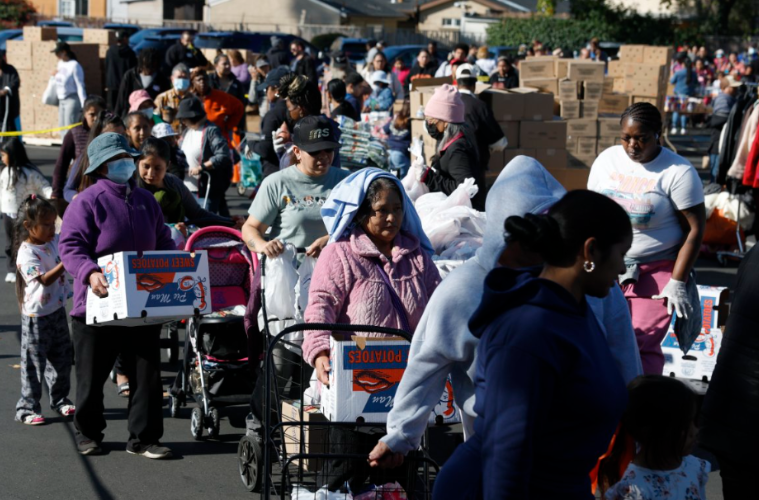
A decline in SNAP participation has sparked debate over food assistance policies, with advocates warning that rising grocery costs continue to strain low-income families.
The Reality of SNAP Cuts in Action
July 22, 2026-Nebraska has experienced an 11.5% decline in Supplemental Nutrition Assistance Program (SNAP) enrollment since last July, according to figures cited by advocates and policymakers. The drop comes at a time when many Americans continue to face elevated food prices, prompting renewed discussion about the accessibility of food assistance programs and the broader impact of policy changes on low-income households. Supporters of expanded food assistance argue that declining enrollment could leave vulnerable families without adequate support, while others say changes may reflect updated eligibility requirements, economic conditions, or administrative reforms. Understanding what the enrollment decline means requires looking beyond the headline numbers and examining the factors influencing participation.
What Is SNAP?
Image Credit; Google @TMZ
The Supplemental Nutrition Assistance Program (SNAP) is the largest federal nutrition assistance program in the United States. Administered by the U.S. Department of Agriculture (USDA) and operated by individual states, SNAP provides monthly benefits that eligible low-income households can use to purchase qualifying food items.
The program is designed to reduce food insecurity, improve nutrition, and help families manage rising food costs during periods of financial hardship. Millions of Americans—including children, seniors, veterans, and people with disabilities—receive SNAP benefits each year.
Why Has SNAP Enrollment Fallen in Nebraska?
Image Credit; Google @Getty
The reported 11.5% decline in enrollment has become a focal point in discussions about food assistance. Several factors can influence participation in SNAP, including: Changes in eligibility rules, Income growth that moves households above qualifying thresholds, Administrative processing requirements, Renewal procedures, Policy reforms at the state or federal level, Public awareness and outreach efforts. Without analyzing individual cases, it is difficult to attribute the decline to a single cause. Experts often caution that enrollment trends reflect a combination of economic, demographic, and policy-related developments.
Rising Grocery Prices Continue to Affect Families
Image Credit; Google @Shutterstock
Although inflation has moderated compared with its peak, grocery prices remain significantly higher than they were several years ago. Many households continue reporting increased spending on essentials such as: Fresh produce, Dairy products, Meat and poultry, Eggs, Bread and cereals. For families living on fixed or limited incomes, even modest price increases can make balancing household budgets more challenging. This has intensified concerns among anti-hunger organizations about whether declining SNAP participation could increase food insecurity.
The Debate Over SNAP Policy
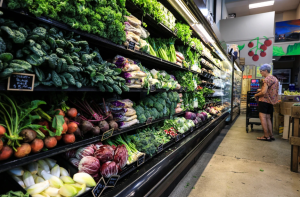
Image Credit; Google @Twitter
The reduction in enrollment has generated differing interpretations. Supporters of stronger food assistance programs argue that: Eligible families may lose benefits because of procedural barriers. Reduced participation can increase demand for food banks and charitable organizations. Continued high grocery prices make assistance especially important.
Others contend that: Enrollment naturally falls when employment improves. Eligibility reviews help ensure benefits reach qualified households. Administrative updates can improve program integrity. The discussion reflects broader national debates about balancing fiscal responsibility with social safety net programs.
What the Numbers Do—and Don’t—Show
An enrollment decline alone does not reveal why individuals leave the program. Some recipients may no longer qualify because their financial situation improved. Others could lose benefits because of paperwork issues, missed renewal deadlines, or policy changes.
For that reason, experts recommend examining additional data—including food insecurity rates, poverty statistics, employment trends, and household income—to fully understand the impact of enrollment changes.
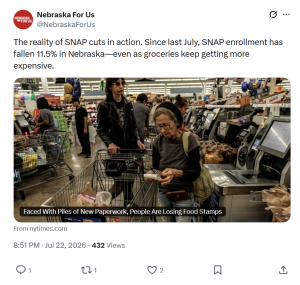
Image Credit; Google @Twitter
Potential Impact on Communities
If fewer eligible households receive nutrition assistance while food costs remain elevated, local organizations may experience increased demand. Food pantries, community kitchens, and nonprofit organizations often report higher usage during periods when government assistance becomes less accessible.
Schools and community groups may also play larger roles in supporting families facing food insecurity. The long-term effects will depend on economic conditions, future policy decisions, and ongoing enrollment trends.
What’s Next for SNAP?
SNAP policy continues to evolve through federal legislation and state-level administration. Future changes could affect: Eligibility standards, Benefit calculations, Work requirements, Administrative procedures, Outreach initiatives. Policymakers, advocacy groups, and researchers are expected to continue monitoring enrollment data to assess whether participation reflects changing economic conditions or barriers to access.
Confirmed Facts
SNAP enrollment in Nebraska has reportedly declined by 11.5% since last July, according to the figures referenced in the discussion. SNAP is the federal government’s primary nutrition assistance program for eligible low-income households. Grocery prices remain higher than pre-pandemic levels, although inflation has slowed in recent years.
Speculation
The enrollment decline cannot be attributed to a single cause based solely on participation data. Whether reduced enrollment will increase food insecurity requires additional research and longer-term analysis. Future policy changes and enrollment trends remain uncertain.
FAQs
What is SNAP?
SNAP (Supplemental Nutrition Assistance Program) helps eligible low-income households purchase food through monthly benefits.
How much has Nebraska’s SNAP enrollment declined?
Reported figures indicate enrollment has fallen by 11.5% since last July.
Does lower enrollment automatically mean fewer people need assistance?
Not necessarily. Enrollment changes can result from economic improvements, eligibility changes, administrative requirements, or other factors.
Are grocery prices still increasing?
Food prices remain elevated compared with previous years, although the pace of inflation has eased.
Why is this issue receiving attention?
The combination of declining SNAP participation and continued high grocery costs has raised questions about food security and access to nutrition assistance.
What are the biggest stories trending online today? Read the latest here
Published by HOLR Magazine
Image Credit: Google/Getty