


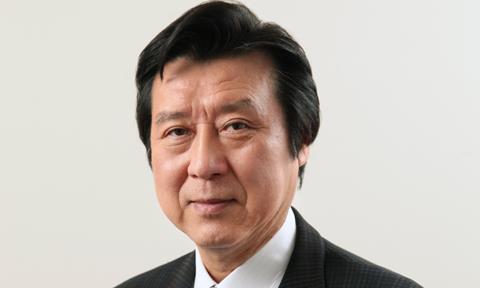
The Tokyo International Film Festival enters a new phase with fresh leadership, signaling a shift in vision while maintaining its role in global cinema.
A New Chapter Begins in Tokyo
April 14, 2026 — Leadership changes at major film festivals don’t always make headlines, but they often shape what audiences eventually see on screen. The Tokyo International Film Festival (TIFF) is now entering one of those moments, with the appointment of a new director marking a subtle but meaningful shift behind the scenes.
For a festival that has steadily positioned itself as a bridge between Japanese cinema and the global film industry, this kind of transition carries weight. It’s not just about who’s in charge it’s about what direction the festival takes next.
And while the announcement itself may feel straightforward, the implications tend to unfold gradually, shaping programming choices, industry collaborations, and the overall tone of future editions.
Why Leadership Changes Matter at Film Festivals
Unlike traditional corporate roles, a festival director plays a creative role as much as an operational one. They don’t just oversee logistics they influence the identity of the event.
From selecting films to setting thematic direction, the director’s perspective often determines how a festival is perceived globally. A shift in leadership can mean subtle changes in programming or a broader rethinking of priorities.
In TIFF’s case, the festival has always walked a line between honoring Japanese storytelling and maintaining an international presence. That balance doesn’t happen automatically it’s curated.
And with new leadership stepping in, there’s naturally curiosity around how that balance might evolve.

Image credit:- The Japan Times
The Festival’s Growing Global Presence
Over the years, the Tokyo International Film Festival has carved out a unique space within the global festival circuit. While events like Cannes or Venice often dominate headlines, TIFF has built its reputation more quietly focusing on consistency and regional influence.
It has become a key platform for:
- Showcasing Asian cinema to global audiences
- Supporting emerging filmmakers
- Connecting industry professionals across markets
That role has only grown more important as the film industry becomes increasingly interconnected.
With streaming platforms expanding international reach, festivals like TIFF now operate in a more competitive and dynamic environment than ever before.
The timing of this leadership change feels intentional. The film industry is currently in a period of transition, with evolving audience habits and new distribution models reshaping how films are experienced.
For TIFF, adapting to that shift is essential. And bringing in new leadership at this moment suggests a readiness to evolve rather than remain static.
It’s less about reacting to change and more about staying ahead of it.

Image credit:- Variety
What Could Change Moving Forward
While no immediate changes have been outlined, leadership transitions often lead to gradual shifts rather than sudden overhauls.
Viewers might notice:
- A different balance between local and international films
- New thematic focuses in programming
- Expanded industry events or collaborations
At the same time, festivals rarely abandon what already works. TIFF’s identity is already established, and maintaining that foundation will likely remain a priority.
So the change may feel more like a refinement than a reinvention.
The Role of Film Festivals Today
In today’s landscape, film festivals hold a different kind of significance than they once did. With films releasing directly on streaming platforms, the exclusivity of premieres has shifted.
But festivals still offer something unique context.
They create a space where films are experienced collectively, where discussions happen in real time, and where emerging voices can gain visibility.
For TIFF, maintaining that relevance is key. And leadership plays a central role in ensuring the festival continues to offer something distinctive.
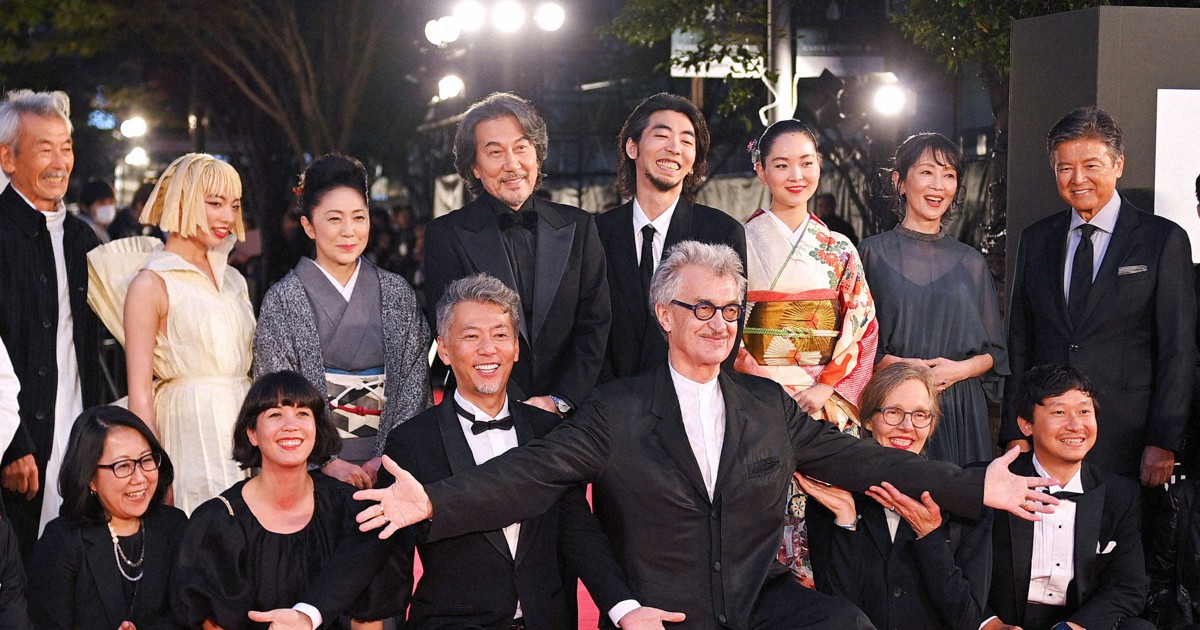
Image credit:- The Mainichi
Industry and Audience Expectations
Whenever a new director steps in, expectations naturally follow. Industry professionals look for opportunities , new platforms, expanded networks, and stronger global positioning.
Audiences, on the other hand, look for experience. They want films that resonate, moments that feel memorable, and programming that reflects both diversity and depth.
Balancing those expectations isn’t simple. It requires both creative instinct and strategic thinking.
As the next edition of the Tokyo Film Festival approaches, attention will gradually shift from the announcement itself to what it produces.
What films will be selected?
What themes will emerge?
How will the festival position itself within the global circuit?
These are the questions that will ultimately define the impact of this leadership change.
For now, though, the focus remains on the transition a moment that signals movement, even if its full effect isn’t immediately visible.

Image credit:- Alamy
Final Thoughts: Change Without Losing Identity
Leadership changes often come with the expectation of transformation. But in spaces like film festivals, the most effective shifts are often the ones that feel natural rather than disruptive.
The Tokyo International Film Festival doesn’t need to reinvent itself it needs to continue evolving in a way that feels aligned with both its history and the current moment.
This new chapter offers that opportunity.
And while the details will unfold over time, the foundation is already in place for something that feels both familiar and forward-looking.
FAQs
- What is the Tokyo International Film Festival?
It’s one of Asia’s leading film festivals showcasing Japanese and international cinema. - Why is the new director appointment important?
The director influences programming, partnerships, and the festival’s overall direction. - Will the festival change significantly?
Expect gradual changes rather than drastic ones. - When does TIFF usually take place?
The festival typically takes place annually in Tokyo around late October. - What kind of films are featured?
A mix of international, independent, and Japanese films. - Is TIFF important globally?
Yes, it plays a key role in connecting Asian cinema with global audiences. - Will the festival introduce new themes or formats?
Possibly, depending on the new leadership’s vision. - Where is the festival held?
It takes place in Tokyo, Japan.
What are the biggest stories trending online today? Read the latest here
Published by HOLR Magazine
Image Credit: Screen Daily