


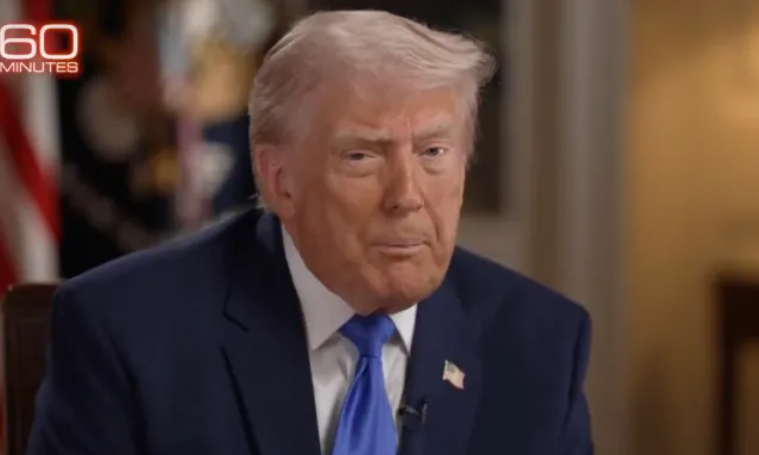
The former president criticizes CBS interview amid media backlash
Donald Trump Responds to Controversial Interview
April 27, 2026 – Donald Trump has publicly criticized Norah O’Donnell following a recent segment on 60 Minutes, where she referenced and read excerpts from a suspect’s manifesto during an interview. The moment quickly became a flashpoint, drawing strong reactions from political figures, media commentators, and viewers alike.
Trump’s response was direct and highly critical, accusing the broadcast of amplifying harmful content. His remarks have reignited ongoing debates about journalistic responsibility, particularly when covering sensitive and potentially dangerous material.

Image Credit: Getty Images
The Segment That Sparked Debate
During the 60 Minutes interview, Norah O’Donnell included references to a manifesto connected to a suspect involved in a high-profile case. The decision to include portions of such material raised immediate questions about whether repeating or analyzing these writings serves the public interest or risks giving further attention to harmful ideologies.
Supporters of the segment argue that providing context can help audiences better understand the motivations behind certain actions. Critics, however, contend that broadcasting excerpts from manifestos may inadvertently contribute to their spread.
Trump’s Criticism and Broader Messaging
Donald Trump framed his criticism around the idea that media outlets should exercise greater caution when handling sensitive content. His remarks also reflect his long-standing contentious relationship with major news organizations, including those involved in high-profile broadcasts.
This latest response fits into a broader pattern of Trump challenging media practices and questioning editorial decisions. His comments have amplified the discussion, bringing increased attention to the interview and its implications.
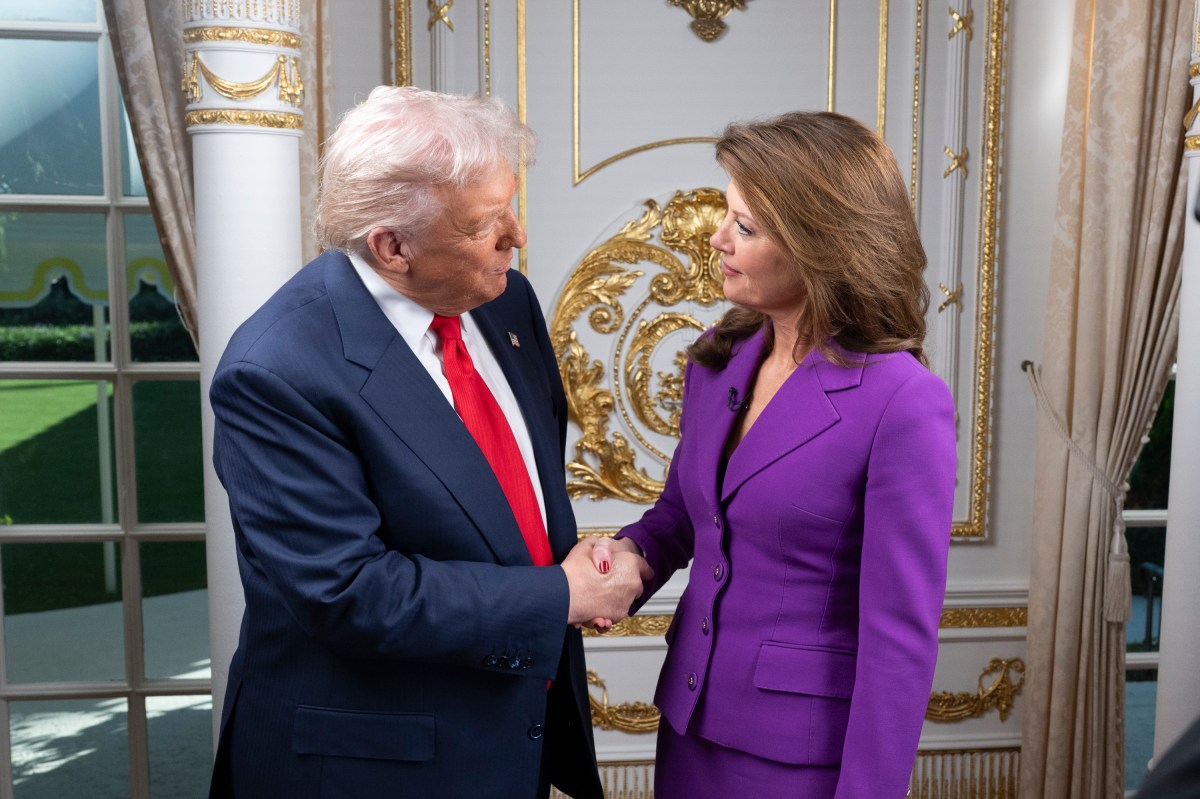
Image Credit: Getty Images
The Ethical Debate Around Manifesto Coverage
The controversy highlights a longstanding ethical dilemma in journalism: how to report on disturbing or dangerous materials without contributing to their visibility. Manifestos, in particular, present a unique challenge because they are often designed to gain attention and influence public discourse.
News organizations must balance transparency with responsibility. Including such material can provide insight and context, but it also carries the risk of amplifying harmful messages. The reaction to the 60 Minutes segment underscores how divided opinions remain on this issue.
Media Responsibility in High-Profile Cases
The role of journalists in covering sensitive topics has come under increased scrutiny in recent years. Decisions about what to include—and how to present it—can have far-reaching consequences, shaping public understanding and influencing broader conversations.
Norah O’Donnell’s segment reflects the challenges of navigating these responsibilities in real time. While some viewers see value in detailed reporting, others argue for more restraint, particularly when dealing with content that could be harmful if widely disseminated.

Image Credit: Getty Images
Public Reaction and Divided Opinions
Public response to the situation has been sharply divided. Some audiences have supported Donald Trump’s criticism, agreeing that the media should avoid repeating manifesto content. Others have defended Norah O’Donnell and 60 Minutes, emphasizing the importance of comprehensive reporting.
This divide reflects broader tensions in how media is perceived and trusted. In an era of heightened polarization, even routine editorial decisions can become points of significant controversy.
The Intersection of Politics and Journalism
The exchange between Donald Trump and Norah O’Donnell illustrates the increasingly blurred lines between political discourse and media coverage. Public figures often use media moments to reinforce their broader messaging, while journalists must navigate the expectations of both accuracy and sensitivity.
This dynamic contributes to ongoing debates about the role of the press in a democratic society. It also highlights the challenges of maintaining trust and credibility in a rapidly evolving information landscape.

Image Credit: Getty Images
Final Thoughts
Donald Trump’s criticism of Norah O’Donnell and the 60 Minutes segment has brought renewed attention to the complexities of reporting on sensitive material. The debate underscores the delicate balance journalists must strike between informing the public and avoiding the amplification of harmful content.
As discussions continue, the incident serves as a reminder of the evolving challenges facing modern journalism. In a media environment shaped by speed, reach, and scrutiny, editorial decisions carry more weight than ever before.
FAQs
Q1: Why did Donald Trump criticize Norah O’Donnell?
He objected to her reading from a suspect’s manifesto during a 60 Minutes segment.
Q2: What is the controversy about?
It centers on whether including manifesto excerpts in news coverage is responsible or potentially harmful.
Q3: What is 60 Minutes?
It is a long-running investigative news program on CBS.
Q4: How have people reacted?
Reactions are divided, with some supporting Trump’s criticism and others defending the journalistic approach.
Q5: What broader issue does this highlight?
It raises questions about media ethics and the responsibility of reporting sensitive content.
What are the biggest stories trending online today? Read the latest here
Published by HOLR Magazine