


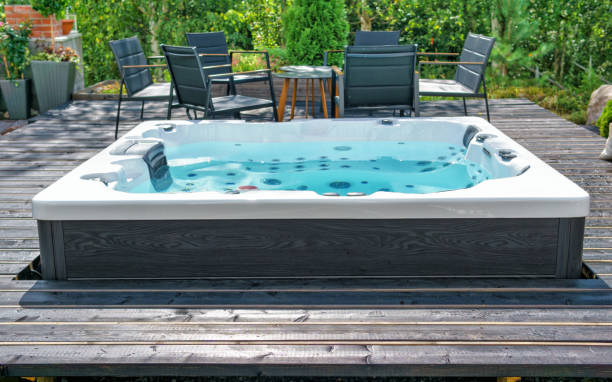
A backyard hot tub in a hot place like Kansas can support rest, muscle recovery, and regular time outdoors, but the purchase deserves careful planning. Buyers should study placement, electrical service, water care, and seating fit before comparing finishes or light packages. Daily use patterns matter more than showroom appeal. Clear decisions early can prevent installation trouble, limit avoidable expense, and help households choose a spa that suits climate, routine, and long-term comfort.
Start With Local Options
Most buyers begin with online research, then move to showroom visits where seat depth, footwell room, and control placement are easier to judge. While reviewing premium hot tubs in Kansas City, shoppers should pay close attention to shell measurements, wiring demands, insulation details, and repair access. Those practical points shape comfort, running cost, and service life far more than glossy images or short-term sale language.
Measure the Backyard
Available yard space limits every later decision. A spa needs clearance for the cabinet, cover lift, entry steps, and technician access. Narrow gates may block delivery, while cramped paths can create safety concerns during use. Buyers should measure the pad area, fence openings, and walking routes before visiting stores. That simple check reduces the chance of choosing a model that fits a brochure yet fails at home.
Check Power and Foundation
Many full-size units require a 220-volt connection, while smaller plug-in tubs may run on standard household service. Electrical planning should happen early because panel work can raise the project budget quickly. The base deserves equal attention. Concrete, reinforced decking, and compacted gravel all have structural limits. A level foundation protects plumbing lines, supports an even water load, and lowers stress on the shell during seasonal temperature swings.
Match Size to Real Use
Large spas can look impressive, though extra seating often goes unused in daily life. Smaller models usually heat faster, need fewer sanitizing products, and cost less each month. Bigger units make sense for families or households that host often. Buyers should count typical bathers, then compare seat shapes carefully. Lounge designs suit some bodies well, while open benches give mixed age groups more flexible positioning.
Focus on Insulation
Monthly operating cost depends heavily on insulation quality, cover seal, and local weather exposure. Weak heat retention can raise energy use, especially in winter. Buyers should ask about cabinet fill, shell construction, and cover thickness before making comparisons. Pump efficiency also matters, because circulation runs every day. A lower purchase price may lose appeal once utility bills climb. Good thermal performance supports comfort without turning each soak into a costly habit.
Compare Jets Carefully
Jet count alone says little about the quality of hydrotherapy. Placement, pressure balance, and seat contour matter more than a large number on a tag. Buyers should test dry seating positions and check whether key areas support the neck, lower back, hips, and calves. Extra features, such as speakers or colored lighting, may matter less after installation. Effective water movement usually brings more relief than decorative additions.
Pump noise affects the owner, nearby guests, and close neighbors. Quiet circulation and dense cabinet insulation help preserve a calmer soaking environment.
Plan for Maintenance
Every spa needs regular water testing, filter rinsing, surface cleaning, and chemical balancing. Some systems simplify care, though none remove the task fully. Buyers should ask how often water changes are needed, which treatment products are required, and whether filters are easy to reach. Consistent maintenance supports cleaner water and steadier sanitation. It also reduces the chance of skin irritation, cloudy water, or equipment failure caused by neglect.
Review Warranty and Service
Warranty language deserves careful reading before any deposit is placed. Coverage often differs for shell structure, surface finish, plumbing, heater parts, and control systems. Buyers should also confirm who handles repairs nearby. Local service can matter more than a long policy tied to distant support. That relationship becomes important after delivery, because questions often begin once owners start using the tub in shifting weather and regular weekly routines.
Think About Safety and Privacy
A hot tub should feel restorative, but safe access needs equal weight. Locking covers, slip-resistant steps, and clear lighting reduce fall risk during evening use. Privacy screens can improve comfort while also limiting wind exposure and heat loss. Buyers may need to review local rules covering wiring, fencing, or placement near property lines. Early planning helps the spa sit well within the yard while respecting drainage, access, and neighbor sightlines.
Conclusion
Buying a hot tub goes more smoothly when households treat it as a long-term wellness investment, rather than an impulse purchase. The right model should balance body support, energy efficiency, water care demands, and dependable service after installation. Careful measuring, realistic budgeting, and informed showroom questions can prevent expensive mistakes. With those basics covered, buyers can choose a backyard spa that feels safe, practical, and genuinely restorative across every season.
Published by HOLR Magazine.