


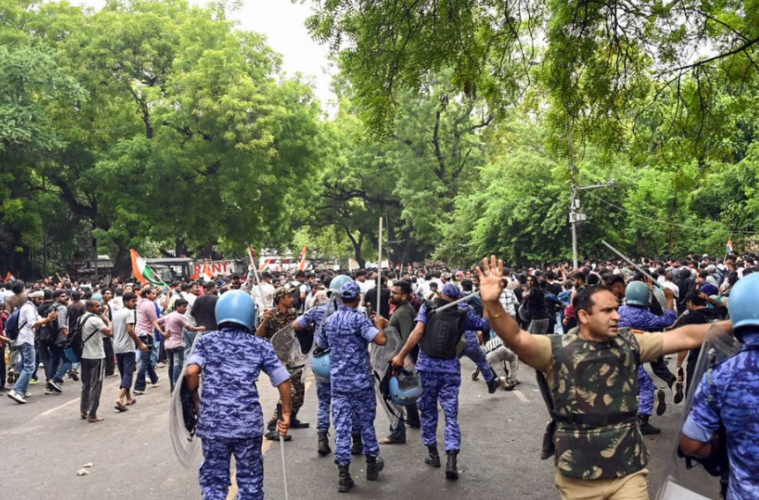
Movement leaders say the hunger strike concluded after 23 days, describing it as a turning point that united opposition voices and launched the next phase of the campaign.
The 23-Day Hunger Strike Ends, but Organizers Say the Struggle Enters a New Phase
July 21, 2026—The 23-day hunger strike has officially come to an end, but organizers insist that the campaign itself is far from over. In a public statement announcing the conclusion of the protest, movement leaders described the hunger strike as one chapter in a broader struggle that they say will now continue through new forms of civic and political action.
According to the statement, the protest helped unite opposition voices, encouraged widespread public participation, and brought more people into the movement. While supporters celebrated the end of the hunger strike as an important milestone, organizers emphasized that the decision does not signal the end of their demands or objectives.
Why the 23-Day Hunger Strike Ended
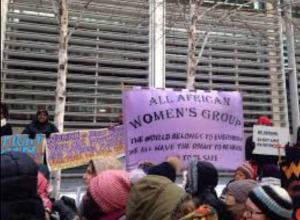
Image Credit; Google @getty
The announcement stated that the hunger strike concluded after 23 days, with organizers framing the decision as a strategic transition rather than a retreat. Instead of portraying the end of the fast as the conclusion of the movement, leaders argued that the campaign had reached an important milestone and would now evolve into different forms of activism.
The message emphasized that struggles for political or social change often change tactics over time. Hunger strikes, demonstrations, legal action, public campaigns, and community organizing are frequently used at different stages depending on circumstances. Supporters described the end of the fast as an opportunity to preserve participants’ health while maintaining momentum through other forms of engagement.
Organizers Claim the Movement Reached a Turning Point
One of the central themes of the announcement was the claim that the protest succeeded in strengthening unity among opposition groups. According to organizers, the hunger strike served as a rallying point that brought together individuals and organizations that had previously worked separately.
They argued that the campaign helped create a broader coalition focused on shared objectives rather than political differences. While the long-term impact of such unity remains to be seen, supporters believe the protest demonstrated the possibility of coordinated action among diverse groups.
Public Participation Became a Defining Feature
View this post on Instagram
The statement also highlighted increased public involvement throughout the 23-day protest. Organizers claimed that citizens participated through demonstrations, public gatherings, expressions of solidarity, and online campaigns.
Mass participation often plays an important role in determining the visibility of protest movements. Regardless of political viewpoints, sustained public engagement can draw greater national and international attention to a campaign’s goals. Supporters described the growing public presence as evidence that the movement had expanded beyond its original organizers.
Why Hunger Strikes Continue to Be Used as Protest Tools
Hunger strikes have historically been used around the world as a form of non-violent protest. Participants voluntarily refuse food to draw attention to political, humanitarian, legal, or social issues. Such actions are intended to create moral pressure on authorities while raising public awareness.
Because hunger strikes can pose significant health risks, they are typically monitored closely by medical professionals, supporters, and human rights organizations. The effectiveness of a hunger strike often depends on public attention, media coverage, and whether negotiations or policy discussions emerge as a result.
The Next Phase of the Movement
Image Credit; Google @facebook
Rather than announcing an end to the campaign, organizers pledged to continue working together. Their statement suggested that future efforts could include: Public awareness campaigns, Peaceful demonstrations, Community outreach, Advocacy initiatives, Continued coordination among opposition groups.
Specific plans were not fully detailed, but leaders emphasized that collective action would remain central to the movement’s strategy. The message concluded with a call for supporters to remain united as the campaign enters what organizers described as a new chapter.
Political and Public Significance
Movements built around prolonged protests often seek to create momentum beyond the initial demonstration itself.
Whether that momentum translates into lasting political or social change depends on several factors, including public support, institutional responses, negotiations, and future organizing efforts. Observers note that sustained civic engagement frequently determines whether protest movements maintain influence after headline events conclude.
For supporters, ending the hunger strike represents preservation of participants while allowing broader organizing efforts to continue. Critics, however, may question the movement’s long-term effectiveness until concrete outcomes become visible.
What Happens After a Hunger Strike Ends?
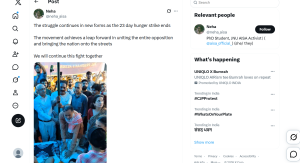
Image Credit; Google @Twitter
The conclusion of a hunger strike rarely marks the end of a movement. In many cases, organizers shift toward: Policy advocacy, Public campaigning, Legal initiatives, Coalition-building, Peaceful civic engagement. Whether these efforts lead to measurable outcomes often depends on continued public participation and responses from relevant institutions. The statement accompanying the end of the fast indicates that organizers hope to maintain the momentum generated during the previous 23 days.
Claims Made by Organizers
The movement achieved a significant leap in uniting the opposition. The campaign brought the nation onto the streets. The hunger strike strengthened collective action. These represent the movement’s own assessment and have not been independently verified within this article.
FAQs
Why did the 23-day hunger strike end?
According to organizers, the hunger strike concluded as part of a planned transition to new forms of activism rather than an end to the overall movement.
Is the movement over?
No. Organizers have stated that the broader campaign will continue through different methods of civic and political engagement.
What did organizers say the protest achieved?
They said the hunger strike helped unite opposition groups, increase public participation, and strengthen the movement.
Will there be more demonstrations?
The statement indicates that the struggle will continue, although specific future actions have not yet been fully announced.
Can the success of the movement already be measured?
It is too early to determine the long-term impact. While organizers describe the campaign as successful, broader political and social outcomes will become clearer over time.
What are the biggest stories trending online today? Read the latest here
Published by HOLR Magazine
Image Credit: IG/@the_best_motivation_14