



Why Summer Requires a Different Skin Care Routine
August 10,2026: Summer has a way of changing almost everything about our daily routines.
We change our clothes, drink more cold beverages, spend more time outdoors, and look for ways to stay cool. But there is another change that is easy to overlook: our skin experiences a completely different environment during the warmer months.
Higher temperatures can mean more sweating. Humidity can change how products feel on the skin. More outdoor activity can increase exposure to ultraviolet radiation. Swimming introduces chlorine or salt water, while air conditioning can leave skin feeling surprisingly dry.
That is why the skincare routine that feels perfect during cooler months may suddenly seem too heavy, irritating, or ineffective in summer.
This doesn’t mean everyone needs an entirely new shelf of products. In fact, a good summer routine is often about making thoughtful adjustments rather than adding more steps.
The biggest priorities are simple: sun protection, gentle cleansing, appropriate hydration, and maintaining the skin barrier.
HOLR explores why summer can change the way your skin behaves, which skincare habits matter most during hot weather, and how to create a routine that keeps your skin comfortable and protected.
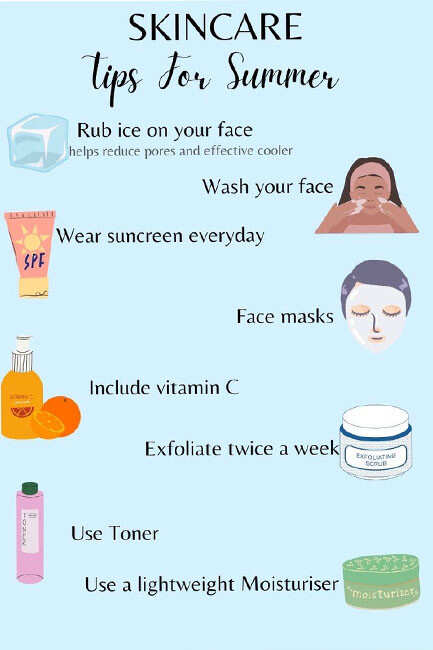
Image Credit: grazia.co.in
Why Summer Changes the Way Your Skin Behaves
The skin is constantly responding to its environment.
Temperature, humidity, sunlight, sweat, pollution, water exposure, and even indoor air conditioning can all affect how the skin feels.
During hot and humid weather, increased sweating can mix with oil, bacteria, and skincare or cosmetic products on the skin. For people who are acne-prone, this combination can contribute to clogged pores and breakouts. The American Academy of Dermatology recommends gently blotting sweat rather than repeatedly wiping the skin, along with choosing non-comedogenic products when breakouts are a concern.
At the same time, summer doesn’t automatically mean hydrated skin.
Sun exposure, swimming, frequent showers, and air conditioning can all contribute to dryness or irritation. The AAD notes that skin can become dry and irritated even when outdoor air is hot and humid.
That contradiction is important.
Your face can look shiny while your skin barrier is still struggling.
Heat, Humidity and Sweat Can Affect Your Skin
One of the most noticeable differences in summer is sweat.
Sweating is a normal and important cooling mechanism. However, when sweat remains on the skin for long periods, it can become part of a mixture of oil, bacteria, makeup, sunscreen, and environmental debris.
This doesn’t mean sweat itself is “bad” for your skin.
The problem is what happens when sweat, friction, and other substances remain on the skin for too long.
This is particularly relevant after exercise.
Instead of aggressively scrubbing sweaty skin, dermatologists generally recommend gentle cleansing. The goal is to remove buildup without damaging the skin’s protective barrier.
Over-cleansing can create another problem.
When people notice more oil in summer, they may respond by washing their face repeatedly or using harsh products. That can leave the skin irritated and uncomfortable.
A better approach is usually clean, but gentle.
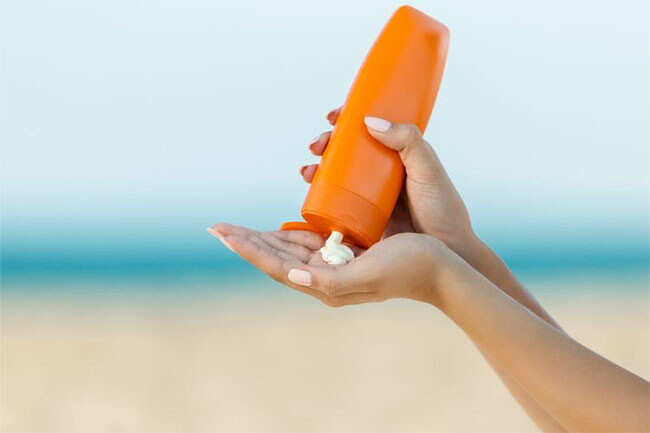
Image Credit: grazia.co.in
Why Your Summer Cleanser May Need to Be Different
A cleanser that feels comfortable in winter may feel too rich during hot weather.
On the other hand, switching to an extremely harsh cleanser isn’t necessarily the answer.
The skin barrier needs a balance of lipids, water, and other components to function properly. Excessive cleansing or irritating products can interfere with that barrier.
The AAD recommends using a mild cleanser and avoiding products that unnecessarily dry the skin.
For summer, think about what your skin actually needs rather than automatically following a seasonal trend.
If your skin becomes oilier, a lightweight cleanser may feel more comfortable.
If your skin remains dry or sensitive, there may be no reason to make a dramatic change.
Your skin type, climate, activities, and existing skincare routine all matter.
Sunscreen Becomes the Most Important Step
If there is one part of a summer skincare routine that deserves the most attention, it is sun protection.
Sun exposure is not simply a cosmetic concern.
Ultraviolet radiation can contribute to sunburn, premature skin aging, pigmentation changes, and skin cancer. The American Academy of Dermatology recommends choosing a sunscreen that provides broad-spectrum protection, SPF 30 or higher, and water resistance.
Broad-spectrum protection matters because it covers both UVA and UVB radiation.
And sunscreen isn’t only necessary when you’re spending an entire afternoon at the beach.
Everyday activities can involve sun exposure, including walking, commuting, outdoor lunches, exercising, and traveling.
SPF Isn’t the Whole Sun-Protection Story
It is easy to think that applying sunscreen means you’re completely protected.
It doesn’t.
Dermatologists recommend combining sunscreen with other protective habits, including seeking shade and wearing sun-protective clothing, a wide-brimmed hat, and UV-protective sunglasses when possible.
Sunscreen also needs to be applied correctly.
The AAD recommends applying sunscreen about 15 minutes before going outdoors and reapplying approximately every two hours while outdoors, as well as after swimming or sweating.
Water-resistant doesn’t mean waterproof.
No sunscreen remains fully effective indefinitely in water or during heavy sweating.

Image Credit: grazia.co.in
Summer Is Not the Time to Ignore Your Skin Barrier
There is a common misconception that summer skincare should be all about controlling oil.
But healthy skin isn’t simply skin that looks matte.
Your skin barrier helps retain moisture and protect the skin from external irritants. When that barrier becomes compromised, skin may feel tight, dry, sensitive, or irritated—even when the weather is hot.
This is one reason aggressive exfoliation can backfire.
If your skin becomes oily or congested during summer, it can be tempting to add multiple acids, scrubs, masks, and strong treatments. However, more exfoliation doesn’t automatically mean clearer or healthier skin.
The AAD specifically warns that overusing exfoliating products can damage the protective skin barrier.
A simpler routine can sometimes be the smarter routine.
Should You Use a Lighter Moisturizer in Summer?
Not necessarily—but many people prefer one.
A heavier moisturizer can feel uncomfortable when temperatures and humidity rise. A lightweight lotion or gel may provide enough hydration without leaving the skin feeling overly coated.
However, people with dry or sensitive skin may still need a richer moisturizer.
The goal isn’t to remove moisture from your routine.
It is to find a texture that supports your skin without making you uncomfortable.
The AAD recommends applying fragrance-free moisturizer after bathing to help trap water in the skin, particularly when dryness or irritation is present.
That is an important distinction: summer skincare should be lighter when your skin needs lighter—not simply because it is summer.

Image Credit: grazia.co.in
Why Swimming Can Change Your Skin Routine
Summer often means more time in pools, oceans, and lakes.
Swimming can be refreshing, but repeated exposure to chlorine or salt water can leave some people’s skin feeling dry or irritated.
The AAD recommends showering with fresh water after getting out of a pool and using a mild cleanser or body wash.
This is especially helpful if you swim frequently.
After swimming, a simple routine of rinsing, gentle cleansing when appropriate, moisturizing, and protecting the skin from further sun exposure can help maintain comfort.
Why Air Conditioning Can Still Dry Out Your Skin
Summer skincare isn’t only about what happens outdoors.
Many people spend hours inside air-conditioned homes, offices, cars, restaurants, and shopping centers. Although air conditioning provides welcome relief from heat, prolonged exposure to cooled, dry indoor air can leave some people’s skin feeling tight or dehydrated.
This can create an unusual summer combination: oily skin on the surface but dryness underneath.
Instead of responding by constantly adding products, pay attention to how your skin actually feels. If your skin feels tight after cleansing, looks flaky, or becomes unusually sensitive, it may be asking for more gentle hydration rather than more oil-control products.
A simple moisturizer can help support the skin barrier without making your routine complicated.
How to Build a Simple Summer Skin Care Routine
A good summer routine doesn’t need ten different products.
For many people, a practical morning routine can include:
- Gentle cleanser
- Moisturizer suited to your skin type
- Broad-spectrum SPF 30 or higher
- Protective clothing or shade when spending extended time outdoors
At night, cleansing becomes particularly important because the skin may have accumulated sunscreen, sweat, makeup, oil, and environmental particles throughout the day.
After cleansing, apply products that your skin already tolerates well and finish with moisturizer.
The important thing is consistency.
A simple routine that you actually follow is usually more useful than an elaborate routine that becomes difficult to maintain.
What About Summer Breakouts?
Breakouts can become more noticeable during hot weather, particularly for people with acne-prone skin.
Sweat, oil, friction, makeup, and occlusive products can all contribute to clogged pores.
This is why non-comedogenic skincare and makeup can be useful for people who are prone to breakouts. The AAD recommends choosing products labeled “non-comedogenic” or “won’t clog pores” when trying to prevent acne-related congestion.
However, acne isn’t simply a summer problem.
If persistent or painful breakouts continue despite basic skincare changes, it may be worth speaking with a dermatologist rather than repeatedly changing products.
Don’t Forget Your Lips and Eyes
Summer sun protection shouldn’t stop at the cheeks and forehead.
The lips can also be exposed to ultraviolet radiation, so using a lip product with sun protection can be a useful addition to a summer routine.
Your eyes also deserve protection.
UV-protective sunglasses can help shield the delicate area around the eyes while reducing the need to squint in bright sunlight. The AAD recommends sunglasses that block both UVA and UVB rays.
A wide-brimmed hat can provide another layer of protection while also adding an effortless summer accessory to an outfit.
Be Careful With Exfoliation
Summer can make people feel as though they need to exfoliate more frequently.
Sweat.
Oil.
Sunscreen.
Makeup.
All of these can make skin feel heavier.
But aggressive exfoliation isn’t the solution.
Over-exfoliating can cause irritation and weaken the skin barrier. That can make skin more sensitive, especially when combined with sun exposure.
If you’re already using active ingredients such as exfoliating acids or retinoids, introduce changes carefully and pay attention to irritation.
Healthy skin doesn’t have to feel perfectly smooth every day.
Sometimes protecting the barrier is more important than chasing instant radiance.
Summer Skincare Mistakes to Avoid
One of the biggest mistakes is skipping sunscreen because the day isn’t particularly hot.
UV exposure isn’t determined solely by temperature.
Another mistake is assuming that oily skin doesn’t need moisturizer.
It does.
The type and amount may simply need to change.
Other common mistakes include:
- Forgetting to reapply sunscreen outdoors
- Sleeping without removing makeup and sunscreen
- Using harsh cleansers repeatedly
- Scrubbing sweaty skin aggressively
- Over-exfoliating
- Ignoring the neck, ears, lips, and hands
- Spending long periods in direct sunlight without protection
- Assuming sunscreen makes other sun-protection measures unnecessary
The goal isn’t perfect skincare.
It’s consistent protection.
Does Summer Skin Need More Hydration?
Hydration is another area where summer skincare can become confusing.
Drinking enough fluids is important for normal body function, particularly during heat and physical activity. However, drinking excessive amounts of water isn’t a guaranteed shortcut to glowing skin.
Skin hydration also depends on the condition of the skin barrier and the environment.
Topical moisturizers help reduce water loss from the skin, while appropriate cleansing helps prevent unnecessary irritation.
In other words, hydration is not just about how much water you drink.
It’s also about how you care for the surface of your skin.
How to Protect Your Skin Beyond Skincare Products
Some of the most effective summer skincare habits don’t come in bottles.
If possible, seek shade during the strongest sunlight hours. Wear lightweight protective clothing, a wide-brimmed hat, and sunglasses when spending extended periods outdoors.
The AAD recommends using shade, clothing, and sunscreen together because no single method provides complete protection.
This is particularly important during outdoor activities, vacations, sporting events, and beach days.
Summer is a season for enjoying the outdoors—not avoiding it.
The goal is simply to enjoy it more intelligently.
Your Summer Routine Should Work With Your Skin
Perhaps the most important lesson about summer skincare is that there isn’t one routine that works for everyone.
Someone living in a humid coastal climate may have very different skincare needs from someone living in a dry, hot environment.
An acne-prone teenager may need a different routine from someone with mature, sensitive skin.
Someone who spends eight hours outdoors will also have different sun-protection needs from someone who works indoors.
That’s why skincare trends should be treated as suggestions rather than rules.
Pay attention to your skin.
If something burns, stings, becomes excessively dry, or causes persistent irritation, don’t assume discomfort means the product is working.
Healthy skincare should support the skin rather than constantly challenge it.
Final Thoughts: Summer Skin Care Is About Protection, Not Perfection
Summer can be one of the most enjoyable seasons of the year, but it also asks more from your skin.
Heat can increase sweating.
Humidity can change how products feel.
Sun exposure increases the importance of daily UV protection.
Swimming can contribute to dryness.
Air conditioning can leave skin feeling dehydrated.
Together, these factors explain why the routine that worked during cooler months may need a few adjustments.
But summer skincare doesn’t need to become complicated.
A gentle cleanser, appropriate moisturizer, consistent broad-spectrum SPF 30 or higher, and sensible sun-protection habits can provide a strong foundation. From there, you can adjust products according to your skin type, lifestyle, climate, and individual concerns.
HOLR breaks down the story here because the biggest summer skincare trend isn’t necessarily another complicated product or viral ingredient. It’s learning to understand what your skin actually needs.
Healthy skin isn’t about achieving a perfectly poreless or constantly glowing complexion.
It’s about maintaining a strong barrier, protecting yourself from excessive UV exposure, staying comfortable, and developing habits you can realistically maintain.
And ultimately, that’s what makes a summer skincare routine work: less chasing perfection, more consistent protection.
FAQs
Why should I change my skincare routine in summer?
Heat, humidity, sweat, increased sun exposure, swimming, and air conditioning can all change how your skin behaves. Adjusting textures and cleansing habits may help maintain comfort and protect the skin barrier.
What SPF should I use in summer?
The American Academy of Dermatology recommends a broad-spectrum, water-resistant sunscreen with an SPF of 30 or higher.
How often should I reapply sunscreen?
When outdoors, the AAD recommends reapplying sunscreen approximately every two hours and after swimming or sweating.
What are the biggest stories trending online today? Read the latest here
Published by HOLR Magazine
Image Credit: AI