


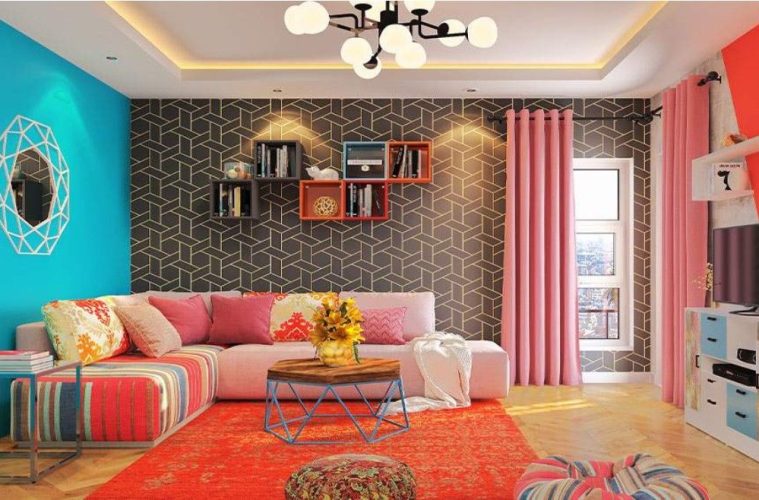
Give your walls a stylish update without a major renovation with these creative DIY paint ideas, from playful patterns and color blocking to artistic accent walls.
Give Your Walls A Creative Refresh
August 18, 2026 – Changing the color of a room can make a dramatic difference, but you do not necessarily have to repaint every wall to transform your space. A little creativity with paint can turn an ordinary surface into a standout design feature.
From geometric patterns and painted arches to bold color combinations and unexpected details, DIY wall treatments offer plenty of ways to experiment without committing to a full renovation.
The best part is that many of these ideas can be adapted to suit your existing furniture and decor. Whether you want something subtle or are ready to make a statement, paint can become more than just a background color.

Credit: Greg Premru
Try A Color-Blocked Wall
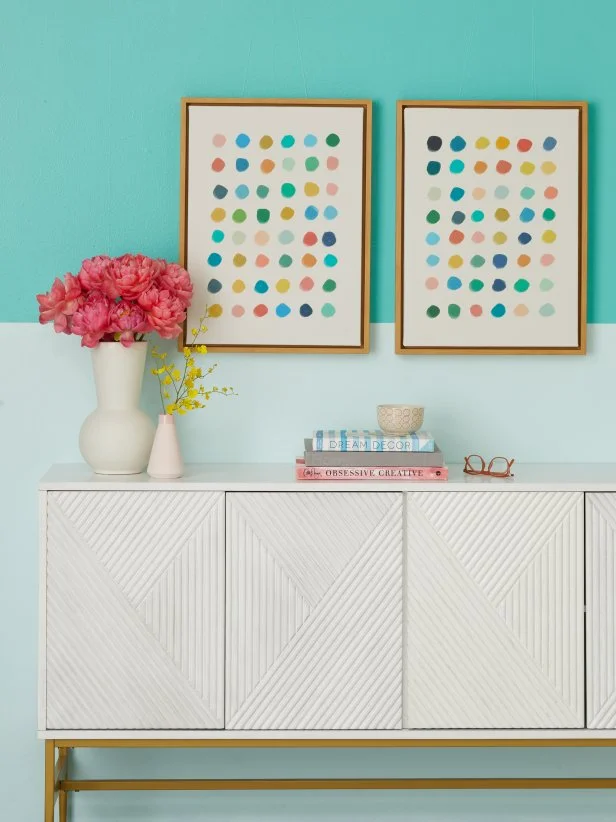
Color blocking is one of the easiest ways to create a modern focal point without requiring advanced painting skills. The technique involves using two or more colors to divide a wall into distinct sections.
The shapes can be horizontal, vertical or geometric, depending on the look you want. Painter’s tape can help create clean edges and make the process easier for beginners.
For a sophisticated result, combine related shades rather than choosing completely contrasting colors. If you want the wall to become the main feature of the room, however, bolder combinations can create a more dramatic effect.
Color blocking can also be used to visually define areas in an open-plan room, such as distinguishing a reading corner or home office from the rest of the space.

Credit: Stacy Zarin Goldberg
Paint An Oversized Arch
A painted arch can add architectural interest to a room without requiring any construction. The simple curved shape can frame a piece of furniture, highlight artwork or create the appearance of a separate zone.
The technique works particularly well behind beds, desks, consoles or dining areas. A large arch in a contrasting color can immediately draw attention to the area.
To create the curved top, a piece of string can be used with a pencil to mark a consistent semicircle before painting. Once the outline is established, carefully fill in the shape using your chosen color.
A muted tone can create a subtle effect, while a saturated shade can turn the arch into a statement feature.
Credit: Philip Friedman
Create A Geometric Pattern
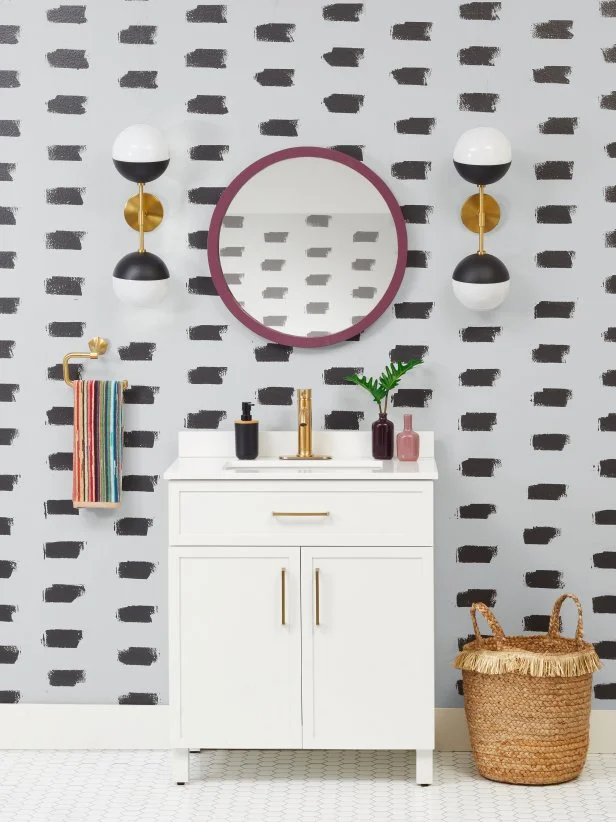
If you want something more energetic, geometric shapes can give a wall a graphic makeover.
Triangles, diamonds, rectangles and irregular shapes can be combined to create a custom mural-like effect. You can use several colors or keep the palette limited to two shades for a more restrained look.
The key is planning the design before putting paint on the wall. Lightly sketching the pattern first can help you decide how the shapes will interact with furniture and other elements in the room.
Painter’s tape is particularly useful for geometric designs because it helps separate colors and produce sharper lines.

Credit: Stacy Zarin Goldberg
Give A Ceiling A Splash Of Color
Paint does not have to stop at the walls. Looking upward can reveal another opportunity to introduce color.
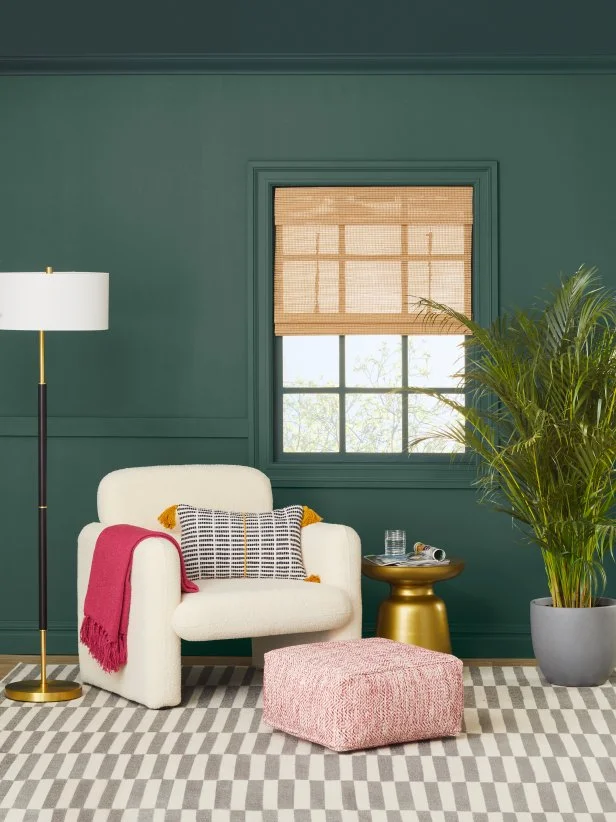
A painted ceiling can make a room feel more intentional and visually interesting. Instead of using a traditional white ceiling, consider choosing a color that connects with the walls, furniture or accessories.
A soft shade can create a subtle, enveloping effect, while a bolder color can make the ceiling a dramatic focal point.
This approach can be especially effective in smaller rooms where a colorful ceiling creates visual interest without taking up any floor or wall space.
Credit: Philip Friedman
Use Paint To Frame A Space
Paint can also be used as a visual frame around a specific area. Instead of covering an entire wall, create a painted section that surrounds artwork, furniture or another architectural feature.
This technique can make a piece of furniture feel more integrated into the room while creating the impression of a custom-designed backdrop.
A painted frame can be rectangular, arched or another shape that complements the room. It is also relatively easy to change later, making it a good option for renters or anyone who enjoys updating their decor.
Credit: Philip Friedman
Experiment With A Painted Mural
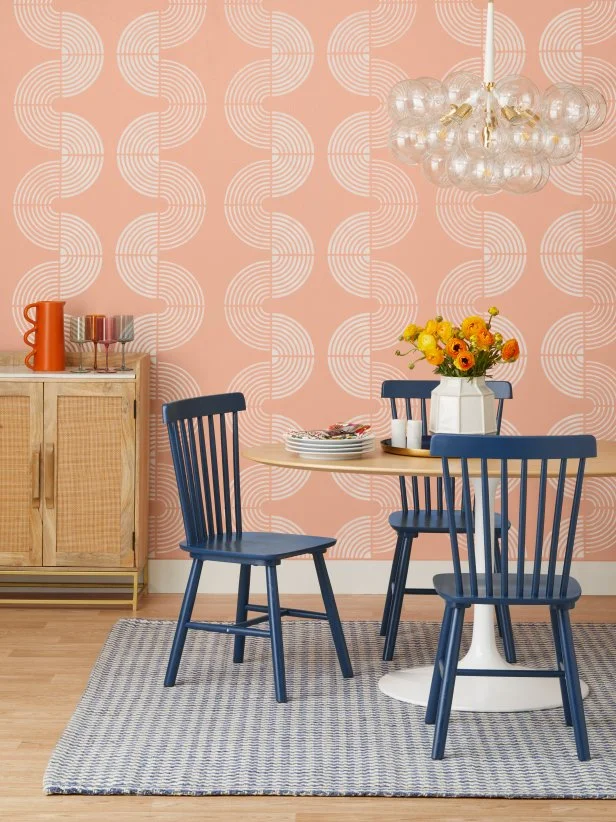
For those who want their walls to become genuine works of art, a DIY mural provides much more freedom.
You do not need to be an accomplished artist to create something effective. Abstract shapes, sweeping curves, simple botanical motifs and organic forms can all become striking wall designs.
Start with a limited color palette and build the design gradually. Working with simple shapes can also make the project feel more manageable.
A mural can be particularly effective on a feature wall, where it becomes the visual centerpiece of the room rather than competing with every other element.
Credit: Philip Friedman
Add Small Painted Details
You can also make a big difference without painting an entire wall. Small painted details can introduce personality while requiring less time, paint and preparation.
Consider painting the inside of an alcove, the lower portion of a wall or a narrow strip around a doorway. Even a small accent can highlight architectural features that might otherwise go unnoticed.
This approach works particularly well if you are hesitant to commit to a bold color. A small painted detail allows you to experiment while keeping most of the existing room unchanged.
Choose Colors That Work With Your Room
Whatever technique you choose, color selection should be based on the space you already have.
Look at the colors in your furniture, rugs, artwork and accessories before selecting paint. Pulling a shade from an existing piece can help create a cohesive look.
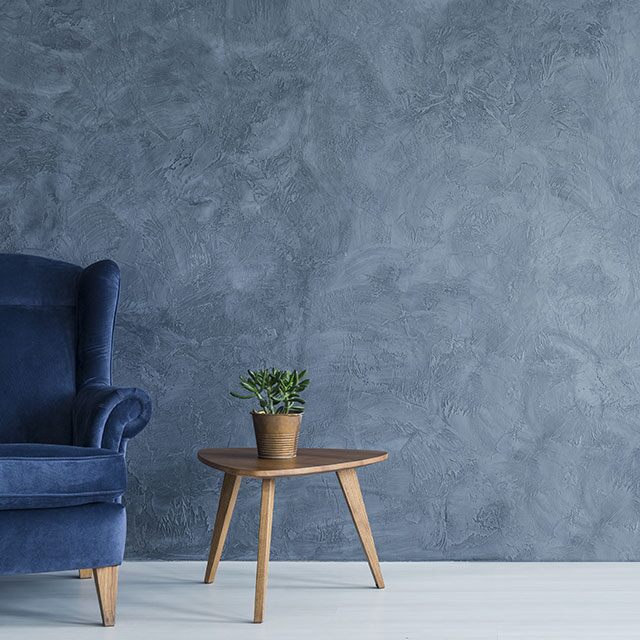
It is also worth testing paint samples on the wall before beginning. Natural and artificial lighting can change the way colors appear throughout the day, so a shade that looks perfect in the store may look very different at home.
Planning the palette first can help prevent a creative wall treatment from becoming visually overwhelming.
Credit: Benjamin Moore
Final Thoughts
DIY wall painting can be one of the easiest ways to give a room a completely different personality without undertaking a major renovation. The right technique can add color, create visual zones, highlight furniture or simply make an ordinary wall more interesting.
You do not have to cover every surface to make an impact. A painted arch, geometric pattern, colorful ceiling or small accent can be enough to transform the atmosphere.
The best approach is to choose an idea that suits both your confidence level and the existing character of your room. With some planning, painter’s tape and a little creativity, even a simple can of paint can become a surprisingly powerful decorating tool.
FAQs
What is the easiest DIY wall paint idea for beginners?
Color blocking and simple painted shapes are approachable options for beginners. Painter’s tape can help create clean lines while allowing you to experiment with different color combinations.
Can you create a painted arch without special tools?
Yes. A simple string-and-pencil method can help create a curved outline before you paint, making it possible to create an arch without specialized equipment.
Can a painted ceiling make a room look better?
A colorful ceiling can add visual interest and create a more intentional design. Choosing a shade that complements the walls and furnishings can help the effect feel cohesive.
How do you choose colors for a painted accent wall?
Look at existing furniture, rugs, artwork and accessories for colors that can be incorporated into the wall design. Testing paint samples at different times of day can also help.
Do DIY painted murals have to be complicated?
Not at all. Abstract shapes, organic curves and simple botanical designs can create an artistic effect without requiring advanced painting skills.
Published by HOLR Magazine