


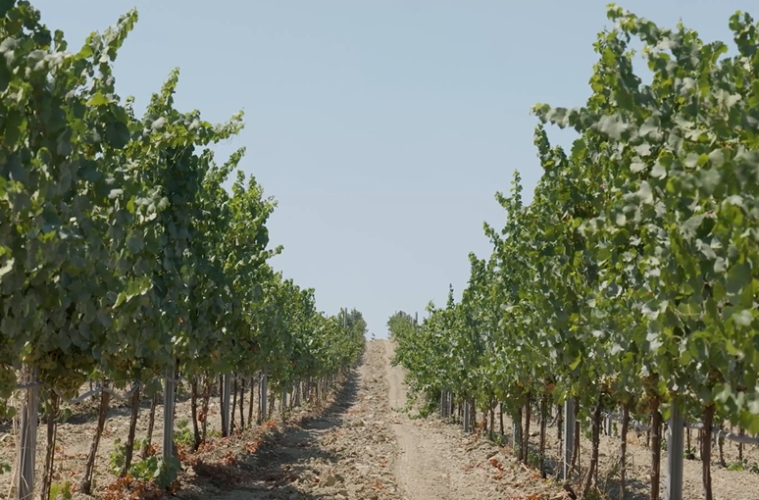
Long before Greece became one of Europe’s fastest-growing wine destinations, Crete was already writing the story.
For more than four thousand years, vineyards have climbed these mountains, merchants have shipped wine from its ports, and generations of families have cultivated grapes that exist nowhere else in the world. Today, PDO Handakas–Candia represents one of Greece’s newest Protected Designations of Origin, but its roots reach back to one of the oldest wine cultures on Earth. Join us as we explore the region one photograph at a time.
The Beginning of the Story
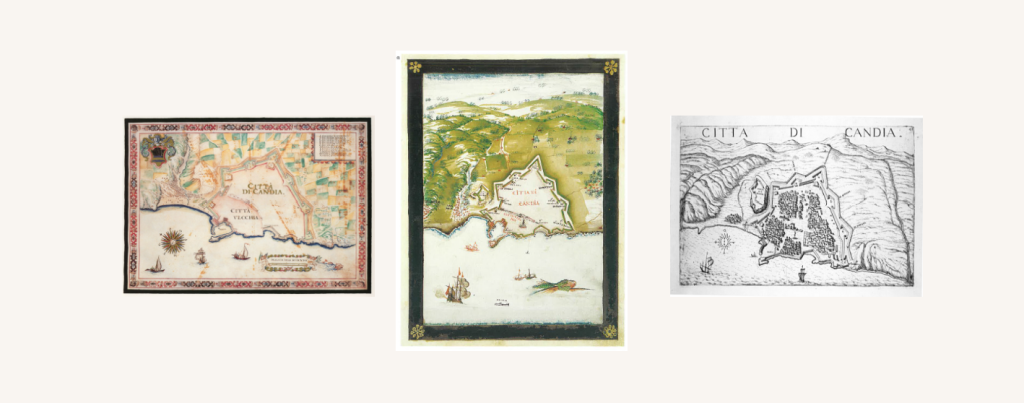
Long before the city became known as Heraklion, it was called Candia, a name given during centuries of Venetian rule. The historic maps of the city reveal its importance as one of the Mediterranean’s great trading centres, where ships carried olive oil, agricultural goods and Cretan wine across Europe.
The modern PDO honours this remarkable history by preserving the historic name “Candia,” connecting today’s wines directly to centuries of trade, culture and craftsmanship.
Where Ancient Civilizations First Made Wine
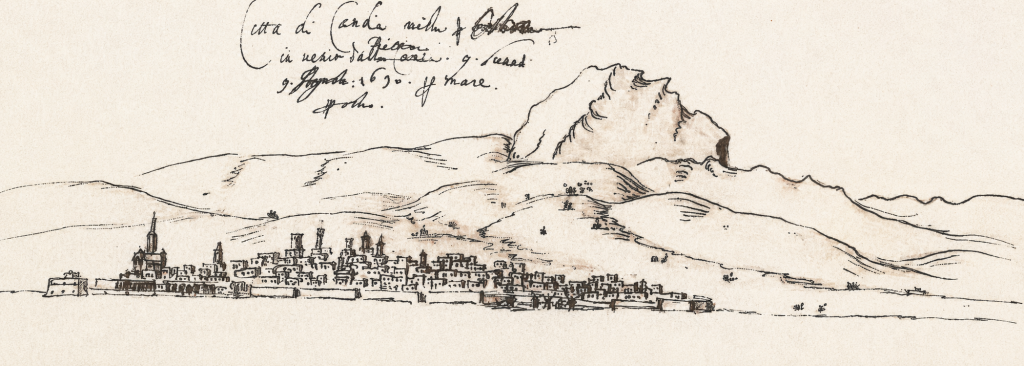
Wine has been part of life on Crete since the Minoan civilization, making the island one of Europe’s oldest continuously cultivated wine regions. Archaeologists have uncovered ancient wine presses, storage vessels and evidence of organized viticulture dating back thousands of years. Few wine regions in the world can claim an uninterrupted relationship with winemaking quite like Crete.
One Land. One Soul.
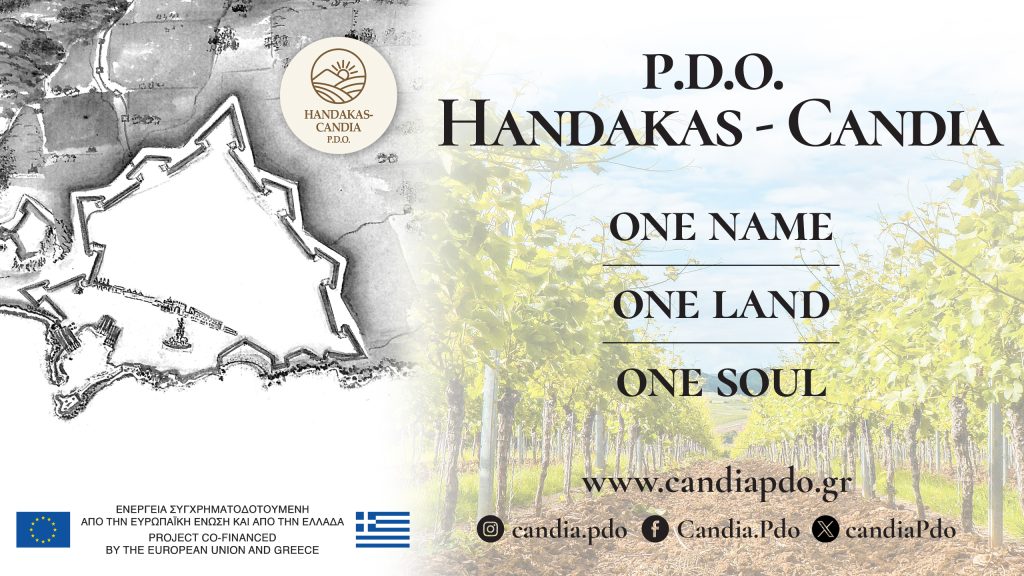
The PDO’s motto—One Name. One Land. One Soul.—captures more than geography.Handakas–Candia brings together villages, vineyards and growers across the Heraklion region under one protected identity. While every vineyard tells its own story, together they express a landscape shaped by history, family traditions and generations of viticulture.
A Landscape Made for Wine
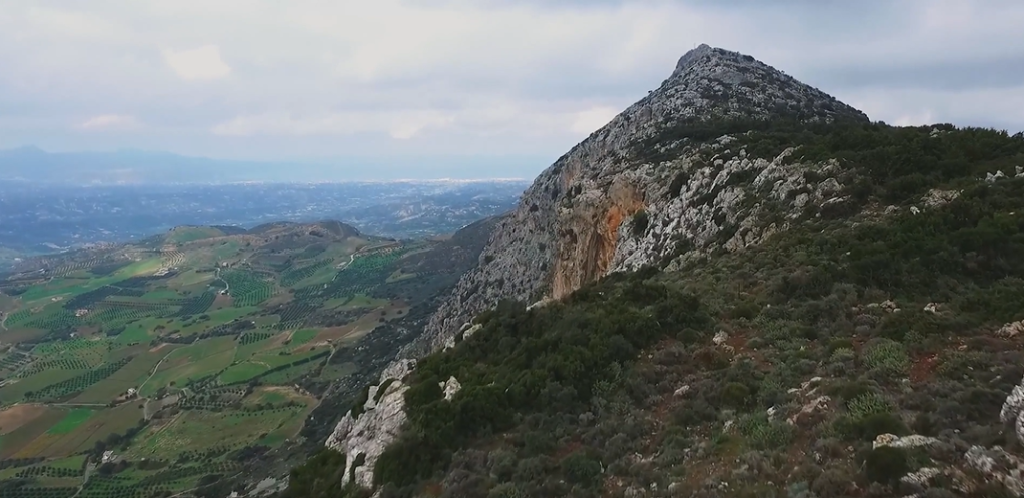
The first thing visitors notice is the landscape. Rolling hills give way to dramatic mountain ranges, vineyards appear between olive groves, and the terrain changes with every turn in the road. Many vineyards sit nearly 700 metres above sea level, where cooler temperatures slow ripening and help preserve freshness inside the grapes. It’s a landscape that feels both rugged and incredibly peaceful.
Where Mountains Meet Vineyards
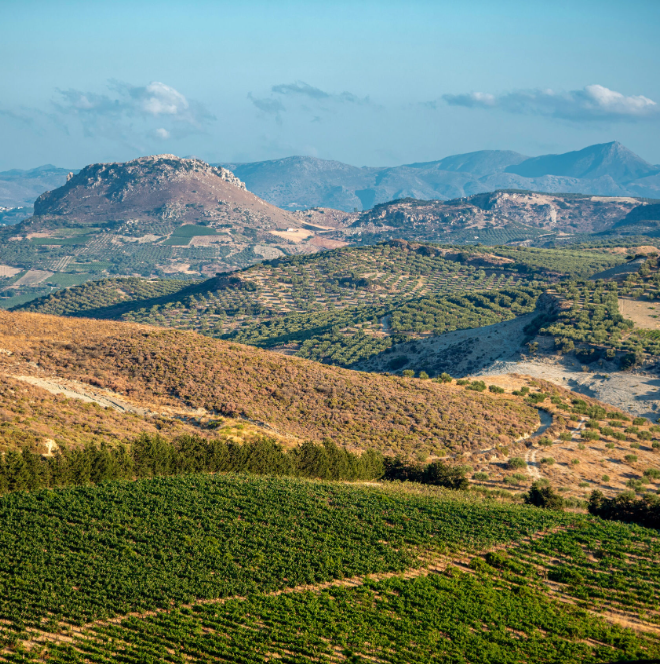
The vineyards of Handakas–Candia are anything but flat. Rows of vines climb rocky hillsides surrounded by mountains that protect them from harsh weather while allowing cooling northern winds to flow through the vineyards. These daily temperature shifts help develop aromatic complexity and natural acidity—qualities that define the region’s wines. Nature is one of the winemakers here.
The Birthplace of Indigenous Grapes
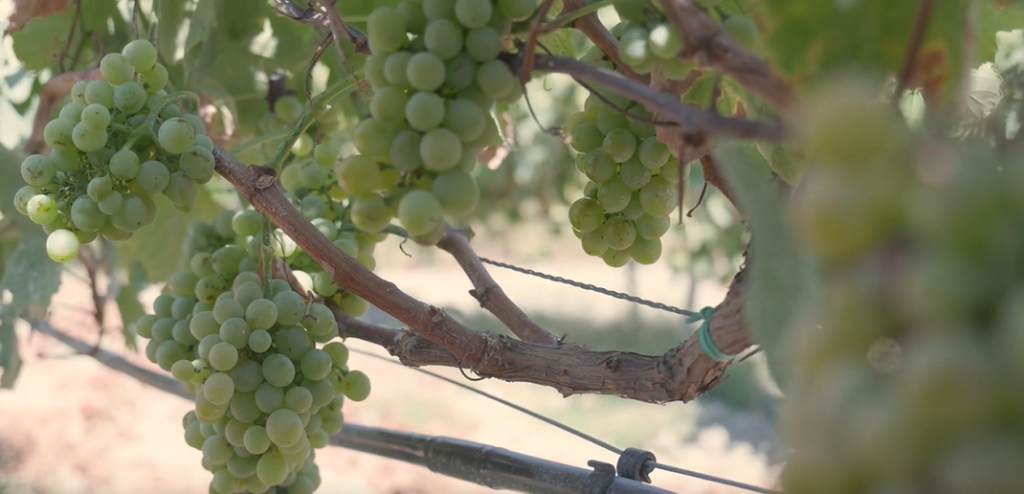
Rather than relying on internationally famous varieties, Crete celebrates grapes that have called the island home for centuries. Vilana, the flagship white grape of the PDO, produces vibrant wines filled with citrus, orchard fruit and delicate floral aromas. PDO regulations require it to make up at least 85 per cent of every white Handakas–Candia wine, preserving one of Greece’s most important indigenous varieties for future generations.
A Vineyard Built on Tradition
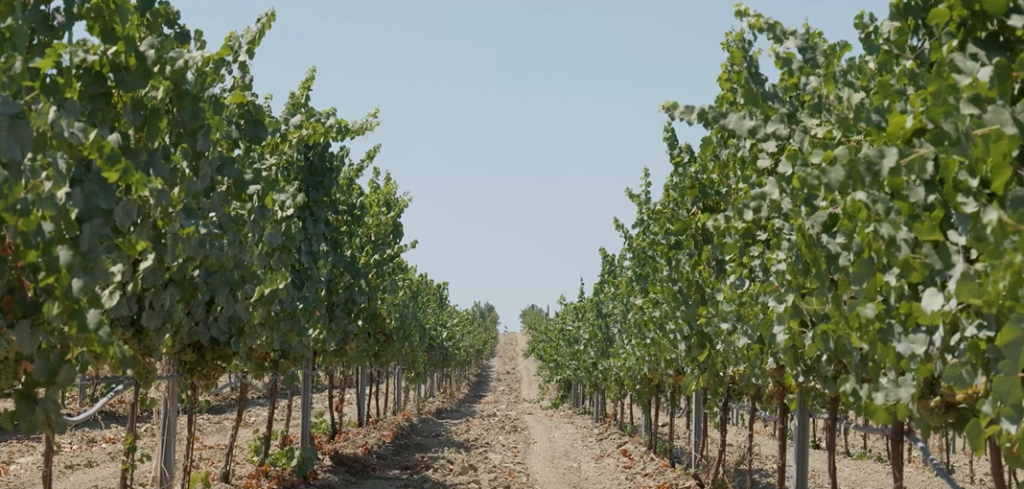
Walking through these vineyards is walking through history. Many wine-growing families have cultivated these same hillsides for generations, combining centuries-old knowledge with modern sustainable viticulture. Every growing season continues a tradition that has survived empires, changing borders and thousands of years of history.
The Reds of Crete
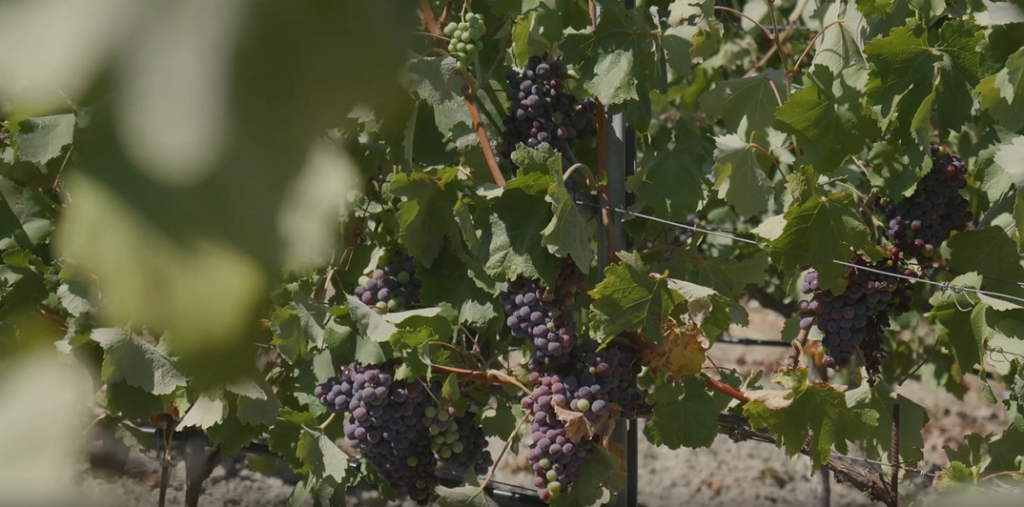
The region’s red wines are built around two native varieties: Kotsifali and Mandilaria. Together they create wines that are vibrant, structured and deeply connected to Crete’s identity. Rather than imitating international wine styles, these grapes proudly tell their own story—one rooted entirely in the island’s landscape.
Looking Across Handakas–Candia
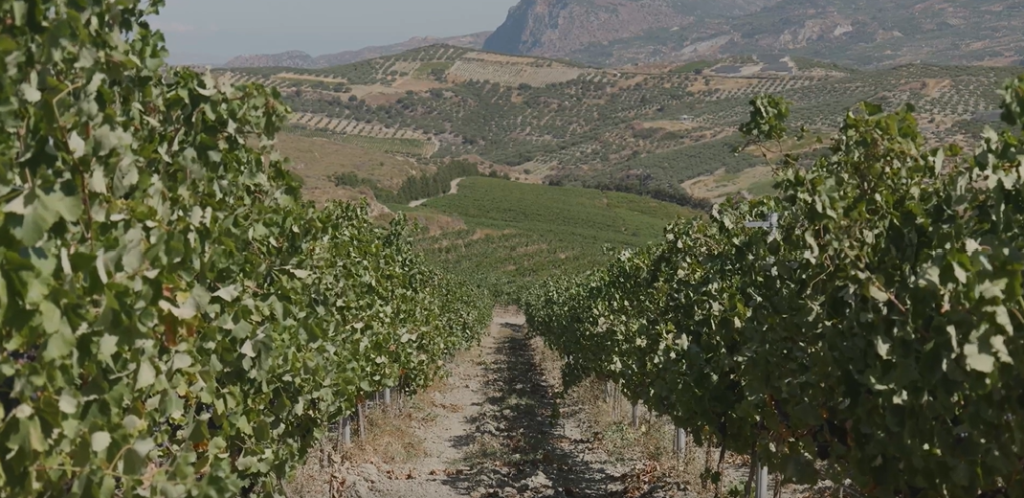
Looking across the vineyards, it’s easy to understand why this region remained so important throughout history. Olive groves, vineyards, mountain villages and winding roads create a patchwork landscape that has supported agriculture for thousands of years. Today, that same landscape continues to produce wines that reflect their place with remarkable authenticity.
The City That Gave the Region Its Name
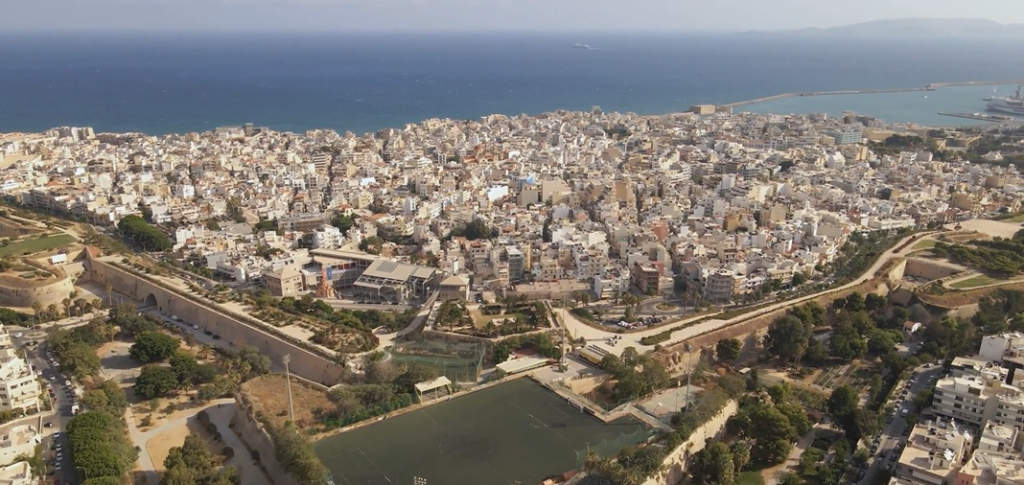
Modern Heraklion stands where ancient Candia once flourished. Today, it serves as both the cultural heart of Crete and the gateway to the surrounding wine country. Visitors can spend the morning exploring archaeological treasures before heading into the mountains to discover family wineries producing some of Greece’s most exciting indigenous wines.
A Fortress Watching Over History
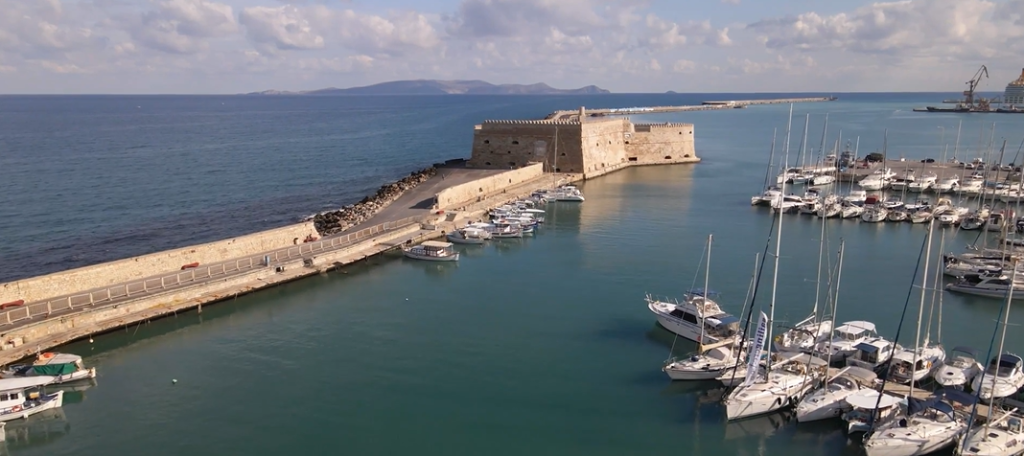
Standing at the entrance to Heraklion’s harbour, the Venetian fortress has watched over Candia for centuries. It witnessed the arrival of merchants, explorers and traders carrying wines across the Mediterranean. Today, it reminds visitors that the wines of Handakas–Candia are not simply part of Greece’s future, they’re part of one of the world’s oldest wine stories.