


Power plays, tensions, and warnings define Hollywood’s biggest stage
A high-stakes year at CinemaCon
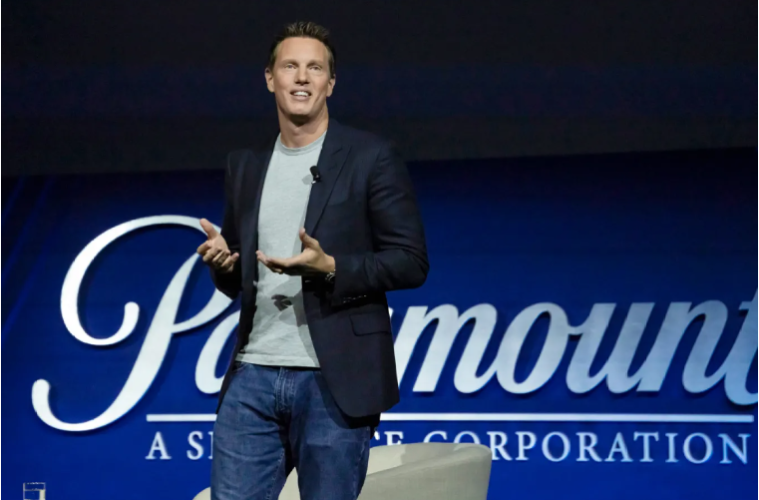
April 22, 2026 – CinemaCon 2026 delivered more than just studio presentations—it exposed the shifting power dynamics shaping the future of theatrical entertainment. From leadership clashes to urgent creative warnings, this year’s event reflected an industry navigating uncertainty while trying to protect its core business model.
Held as a key gathering for studios, exhibitors, and filmmakers, CinemaCon has long served as a barometer for Hollywood’s priorities. In 2026, those priorities appeared more contested than ever.
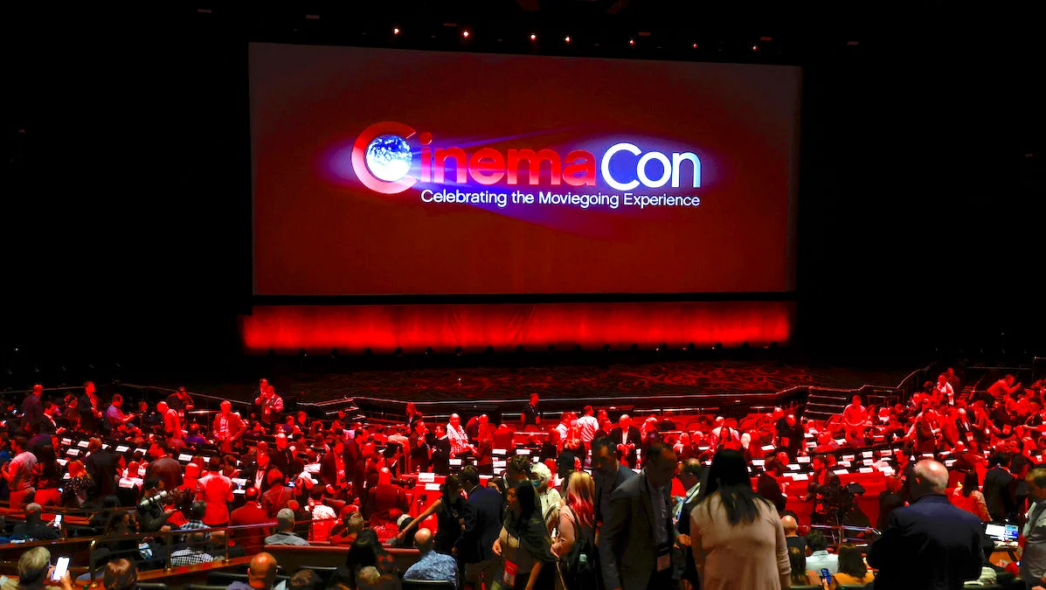
Image Credit: Getty Images
David Ellison asserts control amid internal tension
David Ellison emerged as a central figure after reportedly quashing internal resistance within his studio’s leadership structure. The move signaled a consolidation of authority at a time when studios are under pressure to adapt quickly to changing audience habits.
Ellison’s actions reflect a broader trend of decisive leadership in Hollywood, where executives are increasingly expected to balance creative ambition with financial discipline. By addressing internal challenges head-on, he positioned himself as a stabilizing force in an otherwise volatile environment.
The situation also highlights the behind-the-scenes tensions that often accompany major strategic shifts—particularly as studios rethink distribution models and long-term planning.
Tom Rothman’s comments spark exhibitor backlash
Tom Rothman drew criticism from theater owners after remarks that reportedly frustrated exhibitors. While the exact details of his comments remain subject to interpretation, the reaction underscores a growing divide between studios and theaters.
Exhibitors have been increasingly vocal about protecting theatrical windows and ensuring that cinemas remain central to film distribution. Rothman’s stance, perceived by some as dismissive of those concerns, added fuel to an ongoing debate about the future of moviegoing.
This tension is not new, but its visibility at CinemaCon suggests that the relationship between studios and exhibitors remains fragile.

Image Credit: Greg Doherty/Getty Images
Steven Spielberg delivers a stark warning
Steven Spielberg brought a different tone to the event, issuing what many interpreted as an urgent warning about the state of the film industry. Known for his influence and long-standing advocacy for theatrical storytelling, Spielberg emphasized the need to preserve the cinematic experience.
His remarks resonated strongly with attendees, particularly in the context of ongoing challenges posed by streaming platforms and shifting consumer behavior. Spielberg’s perspective carries significant weight, given his role in shaping modern cinema.
The warning was not framed as alarmist, but as a call to action—urging industry leaders to prioritize storytelling and audience engagement over short-term gains.
The evolving battle between streaming and theaters
Underlying many of the discussions at CinemaCon was the ongoing tension between streaming platforms and traditional theatrical releases. Studios continue to experiment with hybrid models, while theaters push for exclusivity.
This balancing act has become one of the defining challenges of the modern film industry. CinemaCon 2026 made it clear that there is no unified solution, with different stakeholders advocating for competing priorities.
The debate is likely to intensify as technology and audience expectations continue to evolve.

Image Credit: Gilbert Flores
Leadership, messaging, and industry perception
One of the key takeaways from this year’s event is the importance of leadership and communication. Figures like Ellison, Rothman, and Spielberg each approached the stage with distinct messages, reflecting their roles and priorities within the industry.
Ellison focused on internal stability, Rothman on strategic positioning, and Spielberg on creative preservation. Together, their perspectives illustrate the complexity of navigating a rapidly changing landscape.
The way these messages were received—particularly the backlash against Rothman—also highlights how sensitive industry relationships have become.
What this means for the future of cinema
The developments at CinemaCon 2026 suggest that the film industry is at a crossroads. Decisions made now will shape how movies are produced, distributed, and experienced in the years ahead.
Studios must balance innovation with tradition, ensuring that new models do not undermine the theatrical experience that has defined cinema for generations. At the same time, exhibitors must adapt to changing audience behaviors without losing their relevance.
The path forward will likely involve compromise, experimentation, and continued dialogue.

Image Credit: Getty Images
A defining moment for Hollywood
More than just an industry event, CinemaCon 2026 served as a reflection of Hollywood’s current state—dynamic, uncertain, and deeply interconnected. The tensions and conversations that unfolded on stage offer insight into the challenges and opportunities ahead.
As leaders continue to navigate these complexities, the importance of collaboration and clear strategy will only grow.
Final Thoughts
CinemaCon 2026 highlighted the competing forces shaping modern cinema. From David Ellison’s decisive leadership to Tom Rothman’s controversial remarks and Steven Spielberg’s urgent warning, the event underscored the stakes involved in defining the industry’s future.
As Hollywood moves forward, the conversations sparked at CinemaCon will likely continue to influence how stories are brought to audiences around the world.
FAQs
Q1: What is CinemaCon?
CinemaCon is an annual convention where studios and theater owners gather to discuss the future of the film industry.
Q2: Why was David Ellison in the spotlight?
He reportedly addressed internal tensions, reinforcing his leadership position.
Q3: What caused backlash against Tom Rothman?
His comments were perceived as dismissive of theater owners’ concerns.
Q4: What did Steven Spielberg warn about?
He emphasized the importance of preserving the theatrical experience.
Q5: What is the main issue discussed at CinemaCon 2026?
The balance between streaming platforms and traditional theatrical releases.
Published by HOLR Magazine