


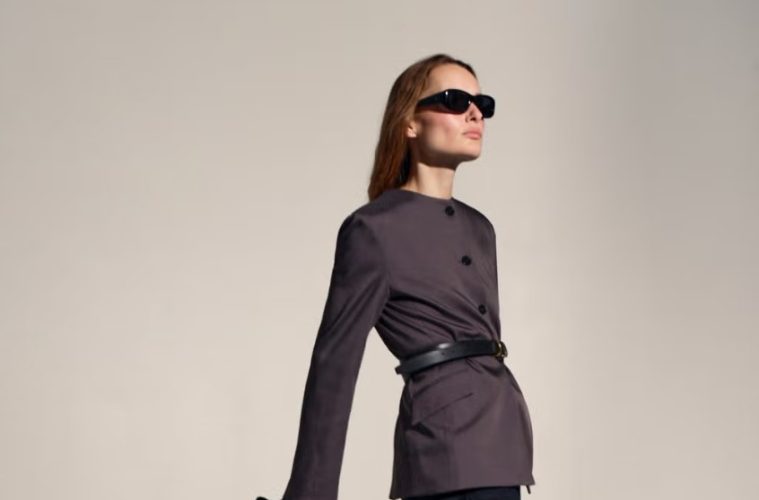
Return-to-office dressing no longer means defaulting to stiff suits. Here’s how to build a polished work wardrobe that feels current, comfortable, and personal.
Workwear Has Moved Beyond the Traditional Suit
August 25, 2026 – The return to regular office life has created a new fashion problem: what does professional dressing look like now?
The old formula of tailored trousers, button-down shirts, conservative dresses, and heels still works, but it is no longer the only option. Women in senior professional roles are mixing polished staples with more relaxed silhouettes, sneakers, statement pieces, and personal touches.
The goal is not to dress casually. It is to look intentional without losing the individuality that has become increasingly important in modern workplaces.

Build a Reliable Meeting Uniform
For interviews or important first meetings, simplicity can be useful. A crisp oversized white shirt with dark jeans or tailored trousers creates a clean foundation that does not distract from the person wearing it.
Repeating a reliable outfit formula can also remove unnecessary decision-making. Having a few versions of the same basic combination means you can focus on the conversation rather than wondering whether your clothes are sending the right message.
Small details can still make the uniform feel personal. Rolled or cuffed sleeves, understated jewelry, a great watch, or polished shoes can add character without overwhelming the outfit.

Let Tailored Pieces Do the Work
A good blazer remains one of the most useful investments in a professional wardrobe. It can instantly give jeans, dresses, trousers, and even more relaxed pieces a sharper appearance.
For important meetings, a classic blazer can act almost like armor. Navy, black, gray, camel, or other neutral shades are especially versatile because they work across different outfits and seasons.
Fit matters more than the label. A well-cut blazer that sits correctly at the shoulders and has enough room for movement will look more polished than an expensive jacket that feels restrictive.
Leggings Can Look Office-Appropriate
Traditional office wardrobes may not immediately bring leggings to mind, but the right pair can work in a more fashion-forward professional environment.
The key is what you wear with them. A structured long blazer, polished flats, and statement jewelry can take a sleek, substantial legging far away from its workout origins.
Jodhpur-style trousers offer a similar effect. They have the comfort and close fit of a legging while providing more structure through the waist and leg.
This approach works best in workplaces where dress codes are less conservative. If your office is traditional, tailoring remains the safer choice.

Sneakers Have Entered the Professional Wardrobe
Heels are no longer a requirement for looking polished at work. Clean sneakers can work with tailored trousers, jackets, and other structured pieces, particularly in creative offices or companies with relaxed dress codes.
The important distinction is between sneakers that look intentionally styled and shoes that appear suited only for exercise. Sleek leather sneakers, classic low-profile designs, and minimalist styles tend to work more easily with professional clothing.
Comfort can also improve how you carry yourself. A shoe that allows you to walk confidently through a full workday may be more useful than a heel that becomes painful after an hour.

Use Fashion to Show Your Personality
Professional dressing does not have to mean removing all traces of personality. In some industries, knowing current designers, colors, silhouettes, and accessories can communicate cultural awareness and confidence.
That does not mean turning the office into a runway. One strong element is usually enough: a distinctive jacket, interesting handbag, bold print, or unusual shoe can make a straightforward outfit feel personal.
The trick is understanding your workplace. What works in a creative agency may not be appropriate for a courtroom or corporate boardroom.
Take Party Pieces to the Office Carefully
A dress you would normally wear to dinner does not necessarily have to stay in the evening wardrobe. The easiest way to make a more revealing or dramatic piece office-appropriate is to add layers.
A slim turtleneck under a dress, tights with a shorter skirt, a jacket over a fitted top, or a cardigan over a low neckline can change the entire impression.
Layering also makes the outfit more versatile. Remove the extra piece later and the same clothes can transition into an evening look without requiring a complete change.

Create a Day-to-Night Formula
Some workdays do not end when the office closes. A simple styling trick can make the transition from work to dinner much easier.
A fitted dress or top can become more office-friendly with a scarf, jacket, or cardigan. Once the workday is over, remove the extra layer, change the shoes, add stronger makeup, and you have a completely different look.
This is particularly useful if you have a packed schedule and do not want to carry an entire second outfit.

Shop Across Price Points
A professional wardrobe does not need to consist entirely of designer pieces. Mixing investment items with accessible clothing can make getting dressed more practical and often more interesting.
A well-made blazer might be worth spending more on because you can wear it repeatedly, while shirts, trousers, and seasonal accessories can come from a wider range of price points.
Resale is another option, particularly for handbags, jackets, and distinctive pieces that might otherwise be expensive. The most important factor is whether the item works with the wardrobe you already own.
Dress for the Workplace You Actually Have
The most useful workwear rule is to understand your environment before deciding what is appropriate. There is no universal office uniform anymore, and professional expectations vary significantly between industries and companies.
A creative office may welcome sneakers and fashion-forward silhouettes. A client-facing role may call for sharper tailoring. An interview usually benefits from a cleaner, more neutral outfit than a typical day at work.
The objective is not to dress exactly like everyone else. It is to understand the expectations and then find your own version of them.
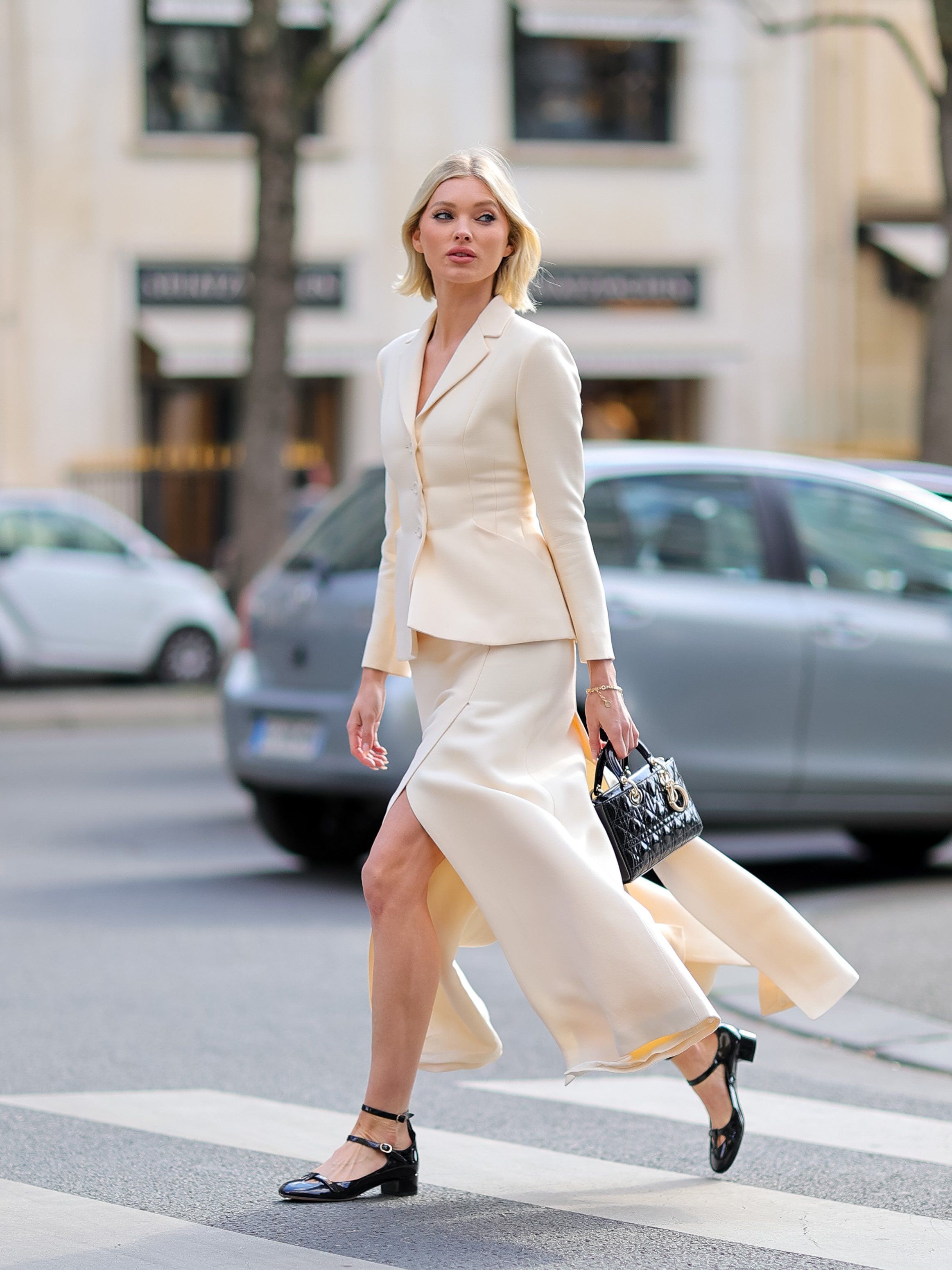
Let Your Clothes Work for You
The best work wardrobe should make getting dressed easier, not more stressful. A small collection of dependable shirts, tailored trousers, blazers, comfortable shoes, and versatile dresses can provide enough combinations for most professional situations.
From there, personal pieces can make the wardrobe feel like your own. A statement jacket, favorite pair of sneakers, vintage scarf, colorful bag, or distinctive jewelry can become part of your signature.
Professional dressing is ultimately less about following rules than understanding which rules matter—and knowing when you can bend them.
Final Thoughts
Modern workwear is more flexible than it used to be. Tailoring still matters, but comfort, personal style, sneakers, relaxed trousers, statement accessories, and thoughtful layering can all have a place in the professional wardrobe.
The best approach is to dress intentionally for the situation rather than following a rigid idea of what office clothes should look like. When your clothes feel comfortable and authentic, confidence tends to follow.
FAQs
What should I wear to a job interview?
A crisp shirt with dark trousers or jeans and a well-fitted blazer is a reliable starting point. Keep the overall look polished and avoid anything that could distract from the conversation.
Can sneakers be worn to work?
Yes, depending on the workplace. Clean, low-profile sneakers can work well with tailored trousers and structured jackets in more relaxed or creative environments.
Can leggings be appropriate for the office?
They can be in less formal workplaces when paired with structured pieces such as a long blazer and polished footwear.
How can I make a dress work for the office?
Layering is the easiest solution. Add a blazer, cardigan, turtleneck, or tights depending on the dress and your workplace dress code.
Do I need expensive clothes to dress professionally?
No. A strong work wardrobe can combine investment pieces with affordable clothing and resale finds. Fit, condition, and styling matter more than the price tag.
Published by HOLR Magazine