


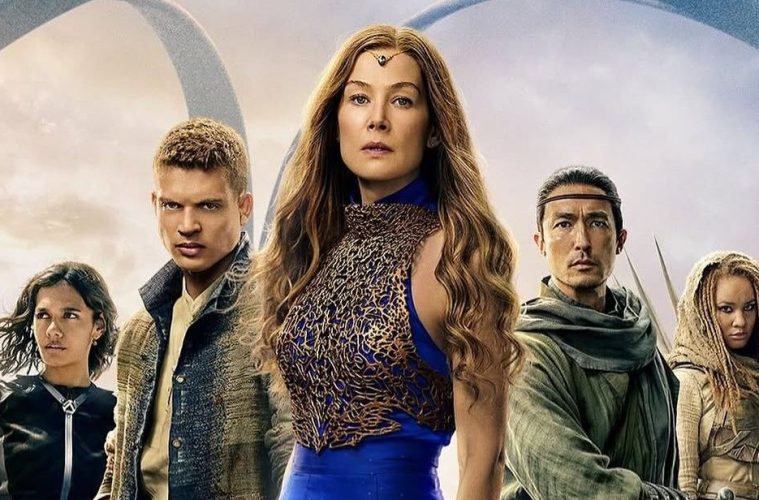
As debate grows around the future of The Wheel of Time, many fans believe a reboot could address the adaptation issues that have divided audiences.
Why Are Fans Talking About a Wheel of Time Reboot?
June 17, 2026 : Few fantasy series have generated as much discussion in recent years as The Wheel of Time. Based on the bestselling novels by Robert Jordan, the franchise carries one of the most passionate fan bases in fantasy literature.
However, despite strong anticipation surrounding the television adaptation, reactions among viewers have often been mixed. Some audiences embraced the show’s ambitious scope, while others felt key elements of the books were lost during the transition to television.
As a result, conversations about a potential reboot continue to gain momentum online.
The central question is straightforward: could a future reboot fix the franchise’s biggest problem and deliver the adaptation many readers have been waiting for?
Image credit : Instagram @chrysokwenna
The Challenge of Adapting an Enormous Fantasy World
One of the biggest obstacles facing any Wheel of Time adaptation is scale.
The original book series spans fourteen novels and millions of words. It features hundreds of characters, multiple continents, complex political systems, and one of fantasy literature’s most detailed mythologies.
Translating that amount of material into television presents enormous challenges.
Adaptations often require condensed storylines, merged characters, and altered timelines. While these changes can help television storytelling, they can also create tension with fans who expect faithfulness to the source material.
For many viewers, this balance between accessibility and accuracy remains the franchise’s biggest challenge.
The Biggest Complaint: Too Much Compression
When fans discuss what a reboot could improve, one criticism appears repeatedly: pacing.
Many readers believe the adaptation moved too quickly through major story developments.
Important character moments that took entire books to develop sometimes unfolded within a few episodes. As a result, some viewers felt character growth lacked emotional impact compared to the novels.
The issue becomes especially significant because The Wheel of Time relies heavily on long-term character journeys.
Characters such as Rand al’Thor, Egwene al’Vere, Perrin Aybara, and Mat Cauthon evolve dramatically over time.
A reboot with a longer-term storytelling strategy could potentially allow these transformations to unfold more naturally.
Why Character Development Matters So Much
Fantasy audiences often connect most strongly with characters rather than spectacle.
While epic battles and magical powers attract attention, emotional investment keeps viewers engaged across multiple seasons.
Robert Jordan’s novels spend considerable time developing relationships, motivations, and internal conflicts.
Supporters of a reboot argue that future adaptations could place greater emphasis on these personal journeys.
Giving characters more room to grow could help both longtime readers and new audiences become more invested in the story.

Image credit : Instagram @thewheeloftime
A Chance to Better Introduce New Viewers
Another common criticism involves accessibility.
Because The Wheel of Time features an expansive mythology, new viewers can sometimes feel overwhelmed by unfamiliar terminology, factions, and magical systems.
Fantasy franchises must balance world-building with storytelling clarity.
If too much information arrives too quickly, audiences may struggle to connect with the narrative.
A reboot could potentially introduce key concepts more gradually, creating a smoother entry point for viewers unfamiliar with the books.
This approach might help expand the franchise’s audience beyond existing fans.
The Influence of Modern Fantasy Television
The fantasy television landscape has changed dramatically over the past decade.
Shows such as Game of Thrones, House of the Dragon, and The Lord of the Rings: The Rings of Power have demonstrated both the opportunities and challenges facing large-scale fantasy adaptations.
Today’s audiences expect cinematic visuals, complex characters, and carefully planned storytelling.
Any future version of The Wheel of Time would likely learn from both successful and unsuccessful elements of previous fantasy productions.
That evolution could strengthen a reboot’s chances of satisfying viewers.
Staying Faithful Without Becoming Predictable
One misconception surrounding reboots is that they simply recreate existing material.
In reality, successful reboots often re-examine stories through a new creative lens.
For The Wheel of Time, the goal would not necessarily be a page-by-page recreation of the novels.
Instead, creators would likely focus on identifying what resonated most strongly with readers while adapting it effectively for television.
The challenge lies in preserving the heart of the story without sacrificing the pacing and structure needed for modern streaming audiences.
What Fans Want Most From a Reboot
Across online discussions, several themes consistently emerge.
Many readers want stronger character development.
Others hope for more accurate portrayals of major story arcs.
Some would like greater emphasis on world-building and political intrigue, while others simply want more time spent with beloved characters.
Although opinions vary, most discussions share one common goal: creating an adaptation that fully captures the scale, emotion, and complexity of the books.
That aspiration continues driving interest in the possibility of a reboot.
Why the Franchise Still Has Massive Potential
Despite criticism, The Wheel of Time remains o

Image credit : Instagram @thewheeloftime
ne of fantasy’s most respected literary properties.
The novels have sold millions of copies worldwide and continue attracting new readers.
The story’s themes of destiny, leadership, sacrifice, and rebirth remain highly relevant.
Its expansive universe offers enough material to support years of television storytelling.
For that reason, many fans believe the franchise’s greatest achievements may still lie ahead.
Whether through a continuation, revival, or eventual reboot, interest in the world created by Robert Jordan remains strong.
Why This Conversation Keeps Growing
The continuing debate reflects how much people care about the franchise.
When audiences stop discussing a series, interest fades. In contrast, The Wheel of Time continues generating passionate conversations years after its adaptation debuted.
That ongoing engagement demonstrates the enduring power of Robert Jordan’s world.
Whether fans loved the adaptation, disliked it, or felt conflicted about certain changes, most agree on one thing: the story deserves the strongest adaptation possible.
Final Thoughts
A future Wheel of Time reboot could offer an opportunity to address concerns about pacing, character development, and world-building while introducing the story to a new generation of viewers.
For now, no reboot has been confirmed. However, the conversation itself highlights the lasting appeal of one of fantasy literature’s most influential franchises.
As audiences continue debating what worked and what didn’t, interest in the Wheel continues to turn.
FAQs
Is The Wheel of Time getting a reboot?
No official reboot has been announced at this time.
Why do fans want a Wheel of Time reboot?
Many fans believe a new adaptation could improve pacing, character development, and faithfulness to the books.
What is considered the franchise’s biggest problem?
Critics often point to compressed storytelling and limited time for character development.
Who created The Wheel of Time?
The fantasy series was created by author Robert Jordan.
Would a reboot follow the books more closely?
There is no official reboot, so any approach remains speculative.
Why is The Wheel of Time important in fantasy?
The novels helped shape modern epic fantasy through their expansive world-building and complex storytelling.
Has a reboot been confirmed by a studio?
No. Current discussions are based on fan interest and industry speculation.
Why is this topic trending?
Fans continue debating how future adaptations could better capture the scope and depth of Robert Jordan’s novels.
Published by HOLR Magazine