


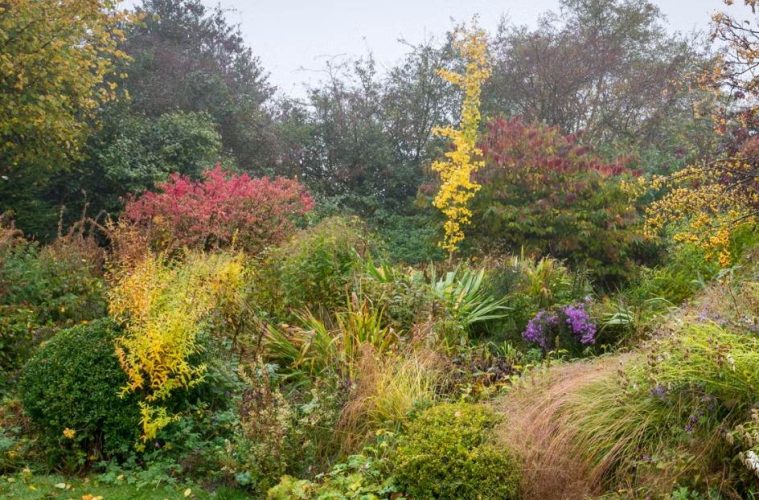
Fall is ideal for many garden projects, but these seven popular plants are better planted in spring or early summer before winter arrives.
September 08, 2026
Why Some Plants Should Wait Until Spring
Fall is often considered one of the best times to plant because cooler temperatures and seasonal rain can make it easier for plants to establish. However, that rule does not apply to everything in your garden, and some popular varieties can struggle if they are planted too late in the season.
The main issue is usually timing. Certain plants need a longer period to develop strong roots before freezing temperatures arrive, while others simply prefer warmer soil. Before picking up a discounted end-of-season plant, it is worth knowing which ones are better left at the nursery until spring.
Broadleaf Evergreens
Broadleaf evergreens such as boxwood, hollies, and rhododendrons can be particularly vulnerable when planted late in the year. Unlike deciduous plants, they continue losing moisture through their leaves throughout winter, and newly planted roots may not yet be established enough to replace that moisture.
Drying winter winds can make the problem worse. These shrubs can generally handle planting in late summer or early fall, but a mid- to late-fall planting leaves them with less time to establish before cold weather sets in.

Tender Summer Bulbs and Tubers
Spring-flowering bulbs such as daffodils, hyacinths, and tulips are famously planted in fall, but that does not mean every bulb follows the same schedule. Summer-blooming varieties including cannas, dahlias, caladiums, and Colocasia are better planted in spring because they need warmer conditions and more time to establish.
Putting these plants in the ground too late can leave them trying to develop roots just as temperatures begin to drop. Even varieties that can survive winter in a particular growing zone may benefit from being planted earlier, giving them a stronger start before their first cold season.

Hardy Hibiscus
Hardy hibiscus may be tougher than its tropical relatives, but it still prefers warm soil and enough time to establish a sturdy root system. Planting it too late in the season can leave the roots vulnerable when freezing temperatures arrive.
This is particularly important in northern climates, where the window between planting and the first hard frost can be relatively short. For a stronger start, spring planting gives hardy hibiscus considerably more time to settle in before winter.

Lavender
Lavender is another plant that does not necessarily benefit from a late-season planting. It needs roughly eight weeks to become established before frost, and the cooler, wetter conditions that often arrive in fall can create additional challenges.
Too much moisture can also contribute to disease, making a damp autumn a less-than-ideal environment for newly planted lavender. In warmer climates, planting earlier in the fall may be possible, but in most regions, waiting until spring or early summer is the safer choice.

Warm-Weather Vegetables
Tomatoes, peppers, beans, squash, and eggplants belong in a different category altogether. These heat-loving vegetables need warm conditions and enough time to grow, flower, and produce a harvest before the first frost.
Planting them in a fall garden simply does not leave enough time in most climates. As temperatures cool, switch your attention to genuinely cool-season crops such as arugula, spinach, and lettuce, which are much better suited to an autumn harvest.

Bigleaf Hydrangeas
Hydrangeas are generally considered hardy landscape plants, but bigleaf hydrangeas are more susceptible to winter damage than many other types. Damage to stems and buds can affect flowering the following season, making establishment before winter especially important.
Planting in spring or early summer gives the shrub the longest possible period to develop roots before temperatures fall. That extra growing time can help the plant enter winter in a stronger position and potentially reduce the impact of cold-weather damage.

Butterfly Bush
Butterfly bush can be remarkably resilient once established, but newly planted specimens can have a tougher time with wet and cold conditions. This is especially relevant in colder areas, including Zones 5 and 6, where winter can arrive before a new shrub has developed a substantial root system.
Planting in spring or early summer provides more time for growth before winter. In warmer climates, fall planting may be less risky, but gardeners in colder areas are generally better off giving butterfly bush a full growing season to settle in.

What to Plant Instead
Avoiding these seven plants in fall does not mean putting away the gardening tools entirely. Plenty of flowers, shrubs, trees, spring bulbs, and cool-season vegetables can still benefit from being planted during the season.
The important distinction is knowing what each plant needs. Spring bulbs, for example, depend on fall planting and winter chilling, while lettuce and spinach can take advantage of cooler autumn temperatures. Matching the planting season to the plant’s needs is far more useful than following a blanket rule.
Give New Plants Time to Establish
No matter what you plant, establishing strong roots before winter is one of the most important considerations. A plant that goes into cold weather already stressed by drought or insufficient root development has a harder time handling freezing temperatures and drying winds.
That is why timing matters so much with the plants on this list. Rather than taking a gamble on a late-season bargain, waiting until spring can give these varieties a much better opportunity to establish, grow, and become healthier long-term additions to the garden.
Final Thoughts
Fall remains an excellent planting season, but it is not the right choice for every plant. Broadleaf evergreens, tender summer bulbs, hardy hibiscus, lavender, warm-weather vegetables, bigleaf hydrangeas, and butterfly bush can all benefit from being planted earlier in the year, depending on climate and growing conditions.
A little patience can make a significant difference. Giving these plants more time to establish before their first winter can help set them up for stronger growth and a better chance of thriving for seasons to come.
FAQs
Why are some plants better planted in spring than fall?
Some plants need warmer soil or more time to establish strong roots before freezing temperatures arrive, making spring a safer planting window.
Can I plant broadleaf evergreens in early fall?
Yes. Broadleaf evergreens can generally be planted in late summer to early fall, but planting them in mid- to late fall increases the risk of winter injury.
Why shouldn’t summer bulbs be planted in fall?
Summer bulbs and tubers such as dahlias, cannas, and caladiums need warmer conditions and enough time to establish before cold weather arrives.
Can lavender be planted in the fall?
Lavender can be planted in warmer climates earlier in the fall, but in much of the country, spring or early summer is preferable because the plant needs time to establish before frost.
What vegetables should I grow instead of warm-weather crops in fall?
Cool-season crops such as lettuce, spinach, and arugula are better choices for a fall garden because they can grow in cooler temperatures.
Published by HOLR Magazine