


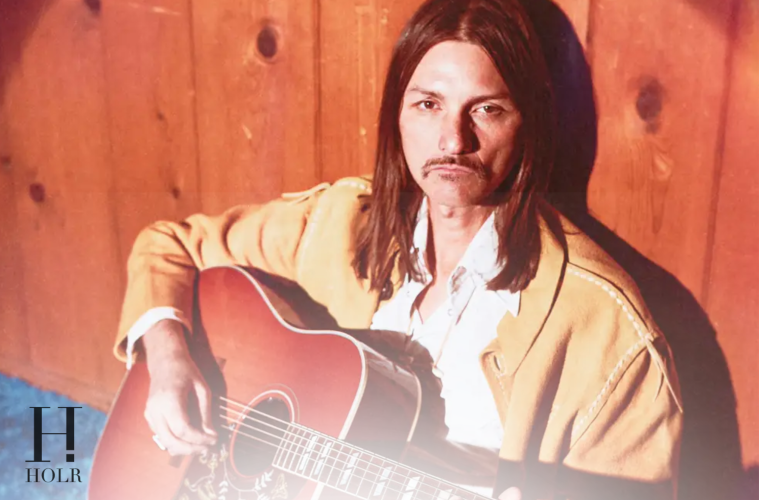
Duane Betts reflects on releasing “Heartache,” calling the emotional tribute to his late father Dickey Betts a cathartic experience
April 18, 2026 — Duane Betts is opening up about one of his most personal releases yet. His new single, “Heartache,” is more than just a song—it’s a deeply emotional tribute to his late father, Dickey Betts.
In recent comments, Duane described the process of creating and releasing the track as a “cathartic experience,” emphasizing how music became a way for him to process grief and honor his father’s legacy. The song captures a raw and reflective energy, offering listeners a glimpse into his personal journey.
For Duane, this wasn’t just about making music—it was about confronting loss and finding a way to express emotions that are often difficult to put into words.
The Legacy of Dickey Betts
Dickey Betts was a legendary figure in the world of rock music, best known for his work with The Allman Brothers Band. His contributions helped shape the Southern rock genre, leaving a lasting impact that continues to influence artists today.
For Duane Betts, growing up with such a legacy meant being surrounded by music from an early age. His father’s influence is evident not only in his sound but also in his approach to storytelling through music.
“Heartache” serves as a bridge between generations, connecting Duane’s personal experiences with the broader legacy his father left behind.
:max_bytes(150000):strip_icc():focal(749x0:751x2):format(webp)/tout-Duane-Betts-new-album-Isle-of-Hope-041726-a7a83a2dcaca49f6b3493253a6a751a9.jpg)
Image Credit: Bobbi Rich
Why “Heartache” Feels So Personal
What sets “Heartache” apart is its authenticity. Rather than presenting a polished or distant perspective, the song leans into vulnerability, allowing listeners to feel the depth of Duane’s emotions.
The lyrics and tone reflect a sense of introspection, capturing the complexities of grief—moments of sadness, reflection, and even gratitude. This honesty is what makes the song resonate so strongly.
For many listeners, music like this provides a sense of connection. It reminds them that they are not alone in their experiences, creating a shared emotional space.
:max_bytes(150000):strip_icc():focal(499x0:501x2):format(webp)/Duane-Betts-new-album-Isle-of-Hope-041726-66efa5f17f1c4dbca079b0d2e3bdde41.jpg)
Image Credit: Bobbi Rich
Music as a Form of Healing
Duane Betts’ description of the song as “cathartic” highlights the role music can play in healing. For artists, creating music often becomes a way to process emotions that might otherwise remain unspoken.
In this case, “Heartache” allowed Duane to channel his feelings into something tangible—transforming personal pain into a piece of art that others can experience.
This process not only helps the artist but also offers comfort to listeners who may be going through similar situations. It’s a reminder of the power of music to connect people on a deeply emotional level.
:max_bytes(150000):strip_icc():focal(499x0:501x2):format(webp)/Duane3-Betts-new-album-Isle-of-Hope-041726-c0bd4589e6f741f995a5a7fe66bd1e79.jpg)
Image Credit: Bobbi Rich
A Career Shaped by Influence and Identity
While Duane Betts carries the influence of his father, he has also worked to establish his own identity as an artist. Balancing legacy with individuality is no easy task, but it’s something he has navigated thoughtfully.
“Heartache” reflects this balance. It acknowledges his father’s impact while also showcasing his own voice and perspective. This duality adds depth to the song, making it both a tribute and a personal statement.
As his career continues to evolve, moments like this highlight his ability to honor the past while moving forward creatively.
Why Fans Are Connecting With the Song
The response to “Heartache” has been shaped by its emotional honesty. Fans appreciate the openness with which Duane has approached the subject, finding meaning in the song’s themes of loss and remembrance.
In a time when music often leans toward production and spectacle, songs like this stand out for their simplicity and sincerity. They remind listeners of the core purpose of music—to express and connect.
For those familiar with Dickey Betts’ legacy, the song carries an additional layer of significance, serving as both a tribute and a continuation of his influence.
The Importance of Honoring Legacy Through Art
Art has long been a way for individuals to honor those who have shaped their lives. In Duane Betts’ case, “Heartache” becomes a lasting tribute to his father, ensuring that his memory continues to resonate through music.
This approach allows legacy to live on in a meaningful way. Rather than being confined to the past, it becomes part of an ongoing creative journey.
For audiences, this creates a deeper connection—not just to the artist, but to the story behind the music.
Looking Ahead for Duane Betts
As Duane Betts continues his musical journey, “Heartache” represents a significant moment of growth and reflection. It shows his willingness to embrace vulnerability and use it as a source of strength.
Moving forward, fans can expect more music that builds on this foundation, blending personal storytelling with the influences that have shaped his career.
This release may be rooted in loss, but it also signals a path forward—one defined by authenticity and emotional depth.
A Song That Leaves a Lasting Impact
In the end, “Heartache” is more than just a single—it’s a deeply personal expression of love, loss, and remembrance. It captures a moment in time while also creating something that will endure.
For Duane Betts, the song serves as both a tribute and a form of healing. For listeners, it offers a chance to connect with those emotions in their own way.
And in that shared experience, the song finds its true power—transforming personal grief into something universal and meaningful.
FAQs
What is Duane Betts’ new song about?
“Heartache” is a tribute to his late father, Dickey Betts.
Who was Dickey Betts?
He was a legendary guitarist from The Allman Brothers Band.
Why did Duane call the song cathartic?
Because it helped him process grief and emotions related to his father’s passing.
What genre is the song?
It reflects Southern rock influences with emotional storytelling.
Why is the song significant?
It connects personal loss with musical legacy, creating a meaningful tribute.
Published by HOLR Magazine