


Scientists have developed a new genome-editing tool that could transform how researchers study fungi and discover future cancer treatments. The breakthrough allows scientists to edit fungal DNA more efficiently, opening new opportunities to identify compounds that may one day lead to innovative medicines. HOLR breaks down the story here.
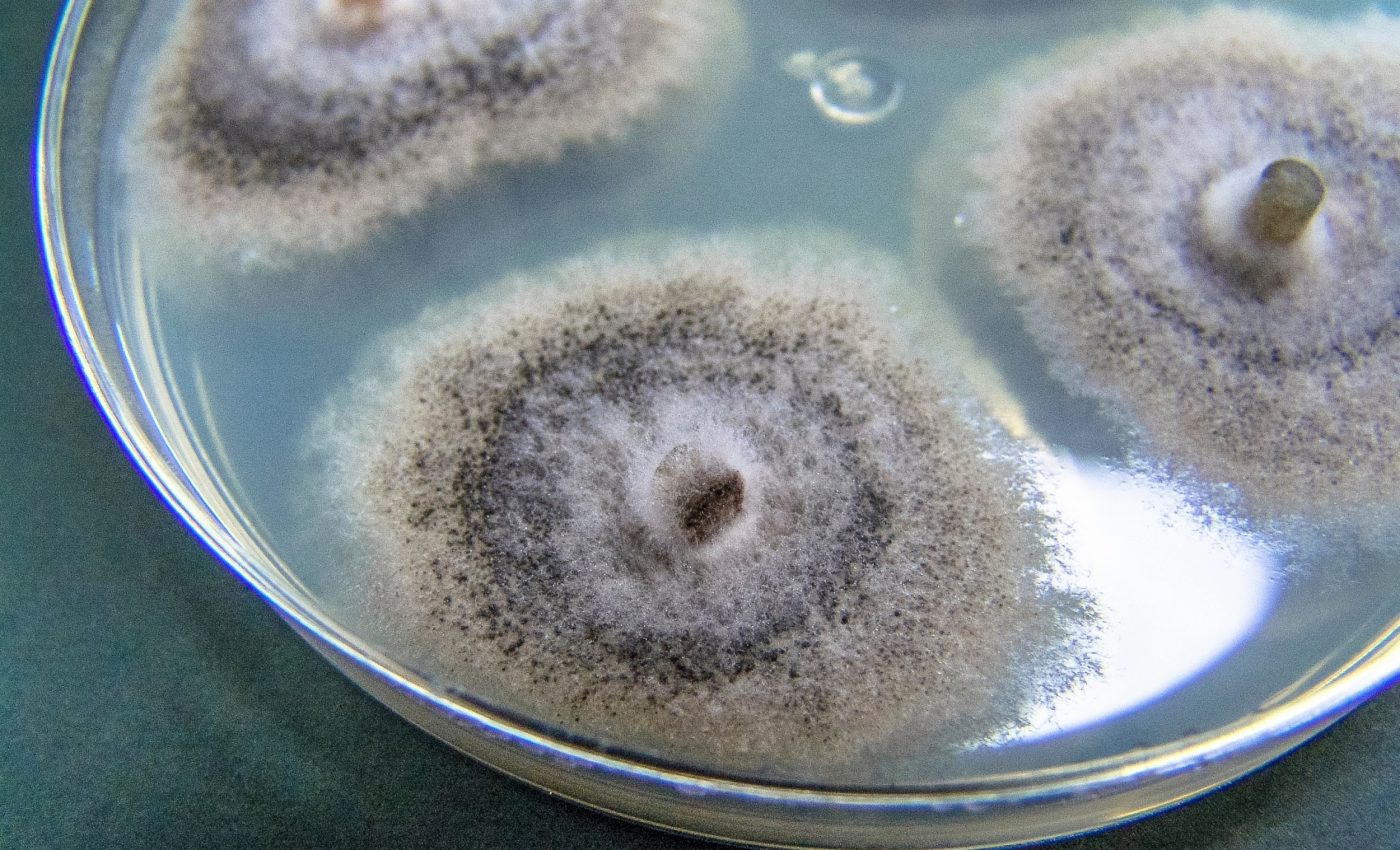
Image Credit: Earth.com
What Is the New Genome-Editing Tool?
Researchers created the new tool to make genetic editing in fungi faster and more precise. Fungi produce thousands of natural compounds, many of which have already contributed to important medicines, including antibiotics and cholesterol-lowering drugs.
Additionally, the new technology gives scientists greater control over fungal genes. This could help researchers uncover previously hidden compounds with potential medical benefits.
Why Are Fungi Important in Medicine?
Although fungi are often associated with mold or mushrooms, they have played a major role in modern medicine for decades. Scientists have discovered numerous life-saving drugs by studying fungal organisms.
For example, penicillin, one of the world’s first antibiotics, originated from a fungus. Researchers believe many fungal species still contain undiscovered compounds that could help treat serious illnesses, including cancer.
How Could This Help Cancer Research?
The new genome-editing tool allows scientists to activate genes that normally remain dormant. As a result, researchers can identify natural molecules that were previously difficult to study.
Furthermore, some of these compounds may interfere with cancer cell growth or improve existing treatments. While additional research remains necessary, the discovery could accelerate the search for new therapies.
Scientists also hope the technology will reduce the time needed to identify promising drug candidates, allowing research teams to move more quickly from laboratory discoveries to clinical testing.
Image Credit: ecancer
What Makes This Discovery Significant?
Traditional genome-editing methods can be time-consuming and technically challenging. However, the newly developed system simplifies many of these steps and improves the efficiency of fungal genetic research.
Consequently, scientists can investigate a larger number of fungal species and explore compounds that previously remained inaccessible.
In addition, the technology may benefit research beyond cancer. Scientists believe it could support studies involving infectious diseases, biotechnology, agriculture, and environmental science.
What’s Next?
Although the discovery marks an exciting advancement, researchers emphasize that the work remains in the early stages. Any potential cancer treatments identified through this technology will require extensive laboratory testing, followed by clinical trials, before they become available to patients.
Nevertheless, the breakthrough represents another important step toward expanding scientists’ understanding of fungi and their potential role in developing future medicines.
Why Is This Research Important?
Cancer researchers continue searching for new therapies that are more targeted and effective. By unlocking previously hidden fungal compounds, this genome-editing tool could provide researchers with entirely new avenues for drug discovery.
Additionally, the technology demonstrates how advances in genetic engineering continue to reshape medical research and improve scientists’ ability to explore nature for life-saving treatments.
HOLR has the latest health and science news and will continue to provide updates as researchers learn more about this promising technology.
Faqs
What is the new fungal genome-editing tool?
It is a technology that helps scientists edit fungal DNA more accurately, making it easier to study fungi and discover useful compounds.
How could fungi help treat cancer?
Some fungi produce natural molecules that may have anti-cancer properties. Researchers hope the new tool will help identify more of these compounds.
Is this a new cancer treatment?
No. The technology is a research tool that could support future drug discoveries, but it is not a cancer treatment itself.
Why is this discovery important?
The breakthrough could speed up drug discovery and help scientists develop new medicines for cancer and other diseases.
Published by HOLR Magazine