


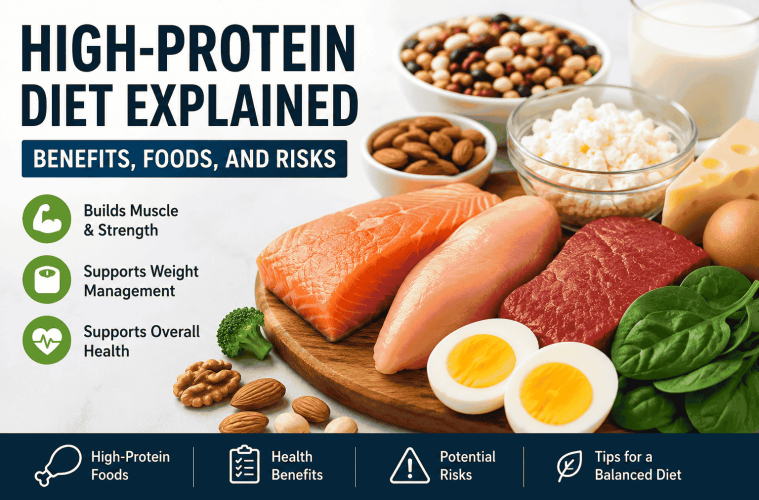
A high-protein diet has become one of the most popular eating plans for weight loss, muscle growth, and overall health, but understanding its benefits and potential risks is key to making it work effectively.
Low Calorie Diet Plan
June 24, 2026 — High-protein diets have gained widespread popularity among fitness enthusiasts, athletes, and individuals looking to lose weight. From social media influencers to nutrition experts, many people recommend increasing protein intake to support muscle growth, improve satiety, and promote better overall health.
But what exactly is a high-protein diet, and is it right for everyone?
A high-protein diet focuses on increasing the proportion of protein consumed while maintaining balanced amounts of carbohydrates and healthy fats. Protein plays a critical role in building muscles, repairing tissues, producing hormones, and supporting countless functions throughout the body.

Image Credit: Everyday Health
What Is a High-Protein Diet?
A high-protein diet typically involves consuming more protein than the standard recommended daily amount. While protein needs vary depending on age, activity level, and health goals, many people following high-protein eating plans aim to obtain 20% to 35% of their daily calories from protein.
Protein can come from both animal and plant sources, making it possible to tailor the diet to different lifestyles and preferences.
Benefits of a High-Protein Diet
According to Sahyadri Hospitals In today’s health and fitness world, protein has become one of the most talked-about nutrients. Social media is filled with influencers sharing high-protein meal ideas, while grocery stores now stock everything from protein-enriched cereals to breads and even rotis. The message seems to be everywhere: if you want to lose weight, build muscle, or stay healthy, you need more protein. As a result, high-protein diets have become increasingly popular among people looking to improve their overall health and fitness.
A high-protein diet offers several potential health benefits.
Supports Weight Loss
Protein helps increase feelings of fullness, which may reduce overall calorie intake. It also requires more energy to digest than carbohydrates or fats, contributing to a slightly higher calorie burn throughout the day.
Promotes Muscle Growth
Protein provides the amino acids needed to build and repair muscles. This makes it especially important for athletes, active individuals, and older adults who want to maintain muscle mass.
Helps Preserve Muscle During Weight Loss
When losing weight, consuming enough protein can help prevent excessive muscle loss, allowing the body to burn fat while maintaining lean tissue.
Supports Bone Health
Research suggests that adequate protein intake may contribute to stronger bones and help reduce the risk of fractures as people age.
Stabilizes Blood Sugar Levels
Combining protein with meals may help slow digestion and reduce blood sugar spikes, making it beneficial for some individuals managing blood sugar levels.
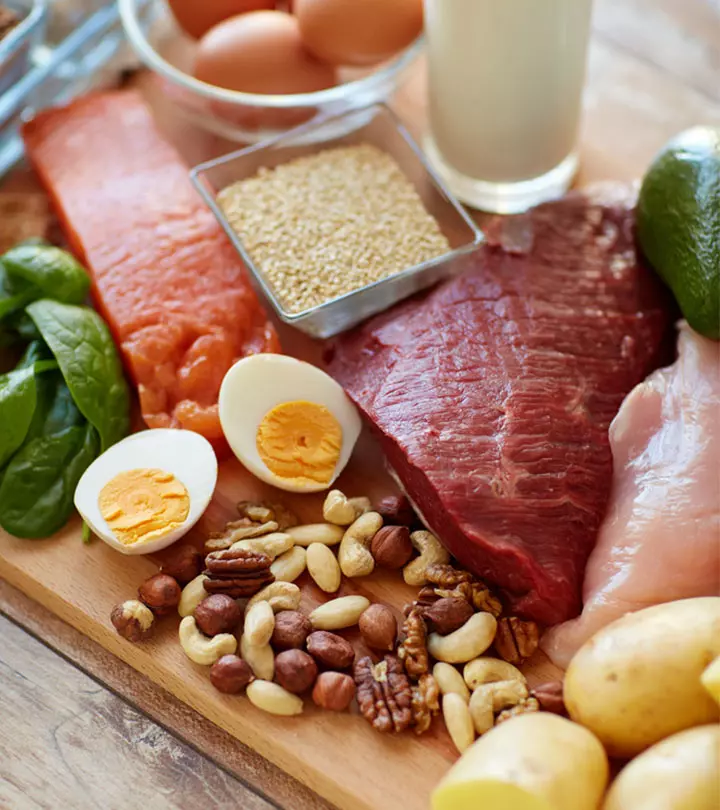
Image Credit: StyleCraze
Best High-Protein Foods
There are many healthy sources of protein to include in your diet.
Animal-Based Protein Sources
- Chicken breast
- Turkey
- Lean beef
- Eggs
- Greek yogurt
- Cottage cheese
- Fish such as salmon and tuna
- Milk
Plant-Based Protein Sources
- Lentils
- Chickpeas
- Black beans
- Quinoa
- Tofu
- Tempeh
- Edamame
- Nuts and seeds
Including a variety of protein sources helps ensure you receive essential nutrients while maintaining a balanced diet.
How Much Protein Do You Need?
Protein requirements vary based on age, weight, activity level, and fitness goals.
General recommendations include:
- Sedentary adults: 0.8 grams of protein per kilogram of body weight.
- Active individuals: 1.2–2.0 grams per kilogram.
- Athletes and strength trainers: 1.6–2.2 grams per kilogram.
It’s important to remember that more protein isn’t always better. Excessive intake without balanced nutrition may lead to unnecessary calorie consumption.
Image Credit: Dr Vaidya’s
Potential Risks of a High-Protein Diet
Although high-protein diets can offer numerous benefits, they may not be suitable for everyone.
Kidney Concerns
People with pre-existing kidney disease may need to limit protein intake because excessive amounts can place additional stress on the kidneys.
Digestive Issues
Low-fiber high-protein diets may lead to constipation or digestive discomfort if fruits, vegetables, and whole grains are neglected.
Nutrient Imbalances
Focusing too heavily on protein while ignoring other food groups can result in deficiencies in vitamins, minerals, and fiber.
Increased Saturated Fat Intake
Some protein-rich foods contain high levels of saturated fat, which may negatively impact heart health if consumed excessively.
Can a High-Protein Diet Help With Weight Loss?
Yes. Many studies suggest that increasing protein intake may support weight loss by reducing hunger and preserving muscle mass during calorie restriction.
However, sustainable weight loss ultimately depends on maintaining a balanced diet and creating a calorie deficit over time.
Protein alone is not a magic solution, but it can be a valuable part of a healthy lifestyle.
Sample High-Protein Meal Ideas
Breakfast
Greek yogurt with berries and almonds.
Lunch
Grilled chicken salad with quinoa and vegetables.
Snack
Hard-boiled eggs or a protein smoothie.
Dinner
Salmon with roasted vegetables and brown rice.
Balancing meals with healthy fats and complex carbohydrates helps provide long-lasting energy and nutritional variety.
Is a High-Protein Diet Right for You?
A high-protein diet can be beneficial for individuals seeking weight loss, muscle building, or improved satiety. However, nutritional needs differ from person to person.
Consulting a healthcare provider or registered dietitian can help determine the ideal amount of protein for your specific goals and medical history.
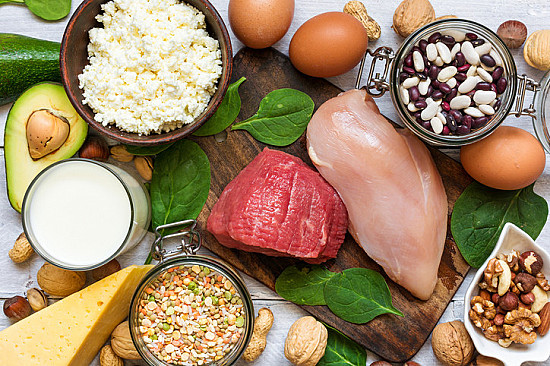
Image Credit: Harvard Health
FAQs
What is a high-protein diet?
A high-protein diet is an eating plan that emphasizes consuming more protein than the standard recommended amount while maintaining a balanced intake of other nutrients.
Does a high-protein diet help with weight loss?
Yes. Protein can increase feelings of fullness and help preserve muscle mass, making it easier to manage calorie intake and support weight loss.
What foods are high in protein?
Chicken, eggs, fish, Greek yogurt, beans, lentils, tofu, and nuts are excellent sources of protein.
Can a high-protein diet build muscle?
Yes. Protein provides essential amino acids that support muscle growth and repair, especially when combined with strength training.
Are there risks to eating too much protein?
Excessive protein intake may contribute to digestive issues, nutrient imbalances, and kidney concerns in individuals with pre-existing kidney disease.
How much protein should I eat daily?
Protein needs vary, but most adults require between 0.8 and 2.2 grams of protein per kilogram of body weight, depending on activity level and health goals.
Published by HOLR Magazine