


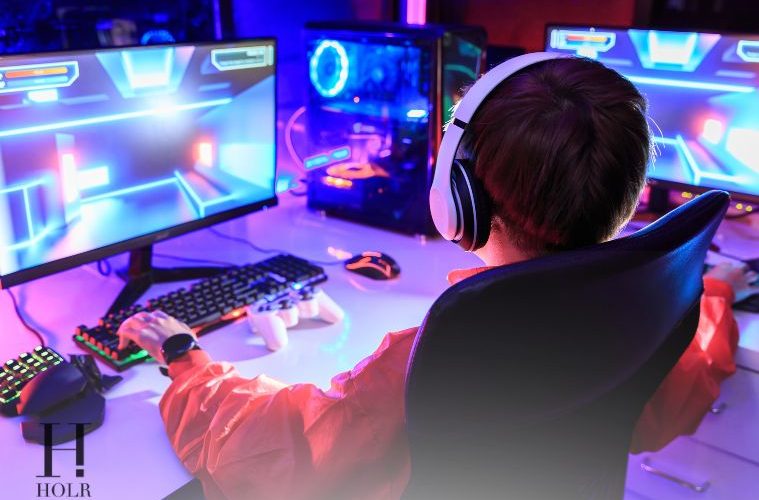
New to gaming? From choosing your first platform to finding the right games, here is a simple guide to getting started without feeling overwhelmed.
August 26, 2026: Gaming can seem complicated when you are completely new to it. There are consoles, gaming PCs, handheld devices, controllers, keyboards, online subscriptions, and thousands of games to choose from.
If you have never played before, you may not know which device to buy, what games are worth trying, or even what some of the gaming terms mean.
The good news is that you do not need an expensive setup or years of experience to start gaming. You can begin with a device you already own, choose games based on your interests and gradually learn the controls as you play.
Whether you are interested in relaxing games, racing, sports, adventure, puzzles or multiplayer experiences, there is something for almost every type of player.
HOLR breaks down how to start gaming as a beginner, what you actually need and how to find games that suit you.
Decide What Kind of Gaming You Want
Before buying a console or gaming computer, think about what you want from gaming.
Gaming is not one single type of entertainment. Different genres offer completely different experiences.
You might enjoy:
- Story-driven adventure games
- Racing games
- Sports games
- Puzzle games
- Simulation games
- Strategy games
- Role-playing games
- Platform games
- Multiplayer games
- Horror games
- Cozy and relaxing games
You do not need to know the technical definition of every genre.
Think about what you already enjoy.
If you love movies and stories, a narrative adventure game might be a good starting point. If you enjoy competition, you may prefer racing or sports games. If you want something relaxing after work, simulation or cozy games could be a better fit.
Choosing based on your own interests is usually easier than simply buying the most popular game.
Image Credit: webOsmotic
Choose Your First Gaming Platform
Once you know what you might enjoy, you can decide where you want to play.
The main choices are consoles, gaming PCs, handheld devices, and mobile devices.
A console is a dedicated gaming system designed to connect to a television or monitor.
A gaming PC can provide access to a large selection of games and allows you to use the computer for other purposes as well.
A handheld gaming device gives you the option to play while travelling or away from a television or desk.
A smartphone or tablet can also be an easy way to experiment with gaming without buying another device.
There is no single platform that every beginner should choose.
Think about your budget, the games you want to play, whether you want portability, and what equipment you already have.
You Do Not Need an Expensive Setup
A common misconception is that starting gaming requires a large investment.
It doesn’t.
If you already own a smartphone, tablet, computer, or compatible console, you may be able to start playing immediately.
You can also begin with free or inexpensive games before deciding whether gaming is something you want to spend more money on.
If you eventually become more serious about gaming, you can upgrade your controller, headphones, monitor, or other equipment over time.
There is no reason to buy everything on your first day.
Image Credit: NPR
Learn the Basic Controls
Controllers can look confusing when you first pick one up.
You will usually have buttons for movement, actions, menus, and other functions, but the exact controls vary from game to game.
Most beginner-friendly games include tutorials that teach you the basics.
Take your time with these sections instead of skipping them.
If you are using a keyboard and mouse, movement is commonly controlled through keyboard keys while the mouse handles camera movement, aiming, or selecting objects.
Again, the exact setup depends on the game.
You will become familiar with the controls surprisingly quickly once you start using them regularly.
Start With a Beginner-Friendly Game
Your first game does not need to be difficult.
Look for a game that gives you room to learn.
Beginner-friendly features can include:
- Tutorials
- Adjustable difficulty
- Simple controls
- Practice modes
- Single-player options
- Clear objectives
- Helpful instructions
A game that lets you learn at your own pace can make your first experience much more enjoyable.
It Is Okay to Play on Easy Mode
There is no reason to make your first gaming experience harder than it needs to be.
If a game offers several difficulty settings, starting with an easier option can help you understand the controls and mechanics.
You can always increase the difficulty later.
Gaming is supposed to be enjoyable. If you spend your entire session frustrated because the difficulty is too high, you may never discover what you actually enjoy about the game.
Image Credit: Tsla.Info
Understand the Main Gaming Genres
Learning the basics of different genres can make choosing games much easier.
Adventure games often focus on exploration, characters, and storytelling.
Role-playing games, or RPGs, usually involve developing a character, completing quests and exploring a larger game world.
Simulation games recreate activities such as farming, building, managing businesses or creating virtual environments.
Racing games focus on driving and competition.
Sports games recreate real-world sports.
Puzzle games focus on solving challenges and using logic.
Strategy games require planning and decision-making.
Platform games generally focus on movement, jumping, and navigating levels.
Multiplayer games allow you to play with or against other people.
You may enjoy one genre immediately or discover that your interests are completely different from what you expected.
That is part of the fun.
Try Free or Affordable Games First
You do not have to spend a lot of money to find out whether you enjoy gaming.
Many platforms offer free-to-play games, demos or games included with subscription services.
However, pay attention to what a “free” game includes.
Some free-to-play games offer optional purchases, subscriptions or additional content.
If you are new to gaming, trying a free or inexpensive game can help you understand your preferences before buying more expensive titles.
Single-Player vs. Multiplayer Gaming
One of the first choices you will make is whether to play alone or with other people.
Single-player games allow you to learn at your own pace. They can be particularly comfortable when you are still learning basic controls.
Multiplayer games allow you to play with or against other people. These can be social, competitive and exciting, but they may also feel more stressful when you are new.
If you want to try multiplayer gaming, consider starting with a casual or cooperative mode rather than jumping directly into a highly competitive environment.
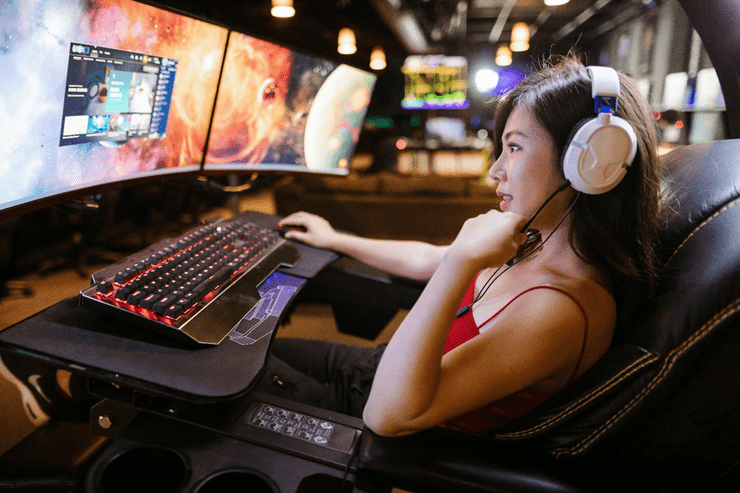
Image Credit: GuruGamer.com
Learn a Few Common Gaming Terms
You will probably come across gaming terminology when reading reviews, watching videos or talking to other players.
Here are a few common terms:
NPC: A character controlled by the game rather than another player.
XP: Experience points used to track progression in many games.
DLC: Additional downloadable content released separately from a game.
RPG: Role-playing game.
PvP: Player versus player.
PvE: Player versus environment.
Co-op: Cooperative gameplay where players work together.
FPS: This can refer to first-person shooter or frames per second, depending on the context.
You do not need to memorize these.
You will naturally learn them as you spend more time gaming.
Create a Comfortable Gaming Setup
You do not need a dedicated gaming room.
A comfortable chair, suitable screen and reliable controller or keyboard and mouse can be enough.
If you play at a desk, adjust your chair and screen so you are comfortable rather than leaning forward for long periods.
Taking regular breaks is also important.
Stand up, walk around and give yourself some time away from the screen.
The American Academy of Pediatrics recommends creating healthy media habits that balance screen use with sleep, physical activity, relationships and other responsibilities. (aap.org)
Gaming can be enjoyable without becoming the only activity in your day.
Be Careful With Gaming Purchases
Gaming expenses can add up quickly.
In addition to the initial cost of a device, you may encounter games, downloadable content, subscriptions, accessories and optional in-game purchases.
Set a budget that works for you.
Before buying something, ask whether you actually want it or whether you are simply purchasing it because other players have it.
If children are using a gaming account, parents or guardians should review purchase settings and parental controls.
Take Regular Breaks
It is easy to lose track of time when you are playing a game you enjoy.
However, sitting for long periods without moving can leave you feeling uncomfortable and tired.
Take breaks between sessions.
Stand up, stretch, walk around and give your eyes a break from the screen.
You can also use breaks as a natural stopping point. For example, once you complete a mission or reach a checkpoint, take a few minutes away from the game.
How to Choose Your First Game
If you are still unsure what to play, ask yourself three simple questions.
What do I already enjoy?
Your existing interests can give you a starting point. Sports fans may enjoy sports games, while people who love stories may prefer adventure games.
Do I want to play alone or with others?
Choose single-player if you want to learn privately. Try multiplayer if you enjoy social or competitive experiences.
How much time do I have?
Some games can be played in short sessions, while others can take dozens of hours.
Choose something that fits your lifestyle rather than a game that demands more time than you have.
Do Not Feel Pressure to Play Popular Games
A game being popular does not mean you will enjoy it.
You might discover that you prefer a quiet simulation game to a competitive shooter. You might love racing games but dislike role-playing games.
Gaming is personal.
Use popular titles as suggestions, not instructions.
The best game for you is the one you actually enjoy playing.
Learn at Your Own Pace
You do not need to finish every game.
You do not need to unlock every achievement.
You do not need to play for several hours every day.
If you have only 30 minutes available, that is enough.
If you stop enjoying a particular game, you can move on to something else.
There are thousands of games available, so there is no reason to force yourself to play something simply because everyone else likes it.
The Bottom Line
Starting gaming does not need to be complicated or expensive.
You can begin with a device you already own, explore different genres, and gradually learn what you enjoy. You do not need to understand every gaming term, master every controller button, or buy an expensive setup before you can call yourself a gamer.
HOLR breaks down the story here: the best way to start gaming is to keep it simple, choose games that genuinely interest you, and give yourself time to learn.
You will make mistakes, discover new genres, and probably change your preferences along the way.
That is part of becoming a gamer.
Start with one game, enjoy the experience, and let your interests guide you from there.
FAQs
What is the best way to start gaming as a beginner?
Start with a platform you are comfortable using and choose a beginner-friendly game that matches your interests. Games with tutorials and adjustable difficulty can make learning easier.
Do I need an expensive gaming setup to start?
No. A smartphone, tablet, computer, or existing console may be enough to begin. You can upgrade your equipment later if you discover that you enjoy gaming.
What games are good for beginners?
Look for games with simple controls, tutorials, adjustable difficulty, and clear objectives. The best choice depends on the genre you personally enjoy.
Should beginners play single-player or multiplayer games?
Single-player games can be easier for learning because you can play at your own pace. Once you are comfortable with the controls, you can explore cooperative or competitive multiplayer games.
How long should beginners play video games?
There is no universal amount of gaming time that works for everyone. Try to balance gaming with sleep, physical activity, work or school, relationships and other responsibilities, and take regular breaks during longer sessions.
Published by HOLR Magazine