


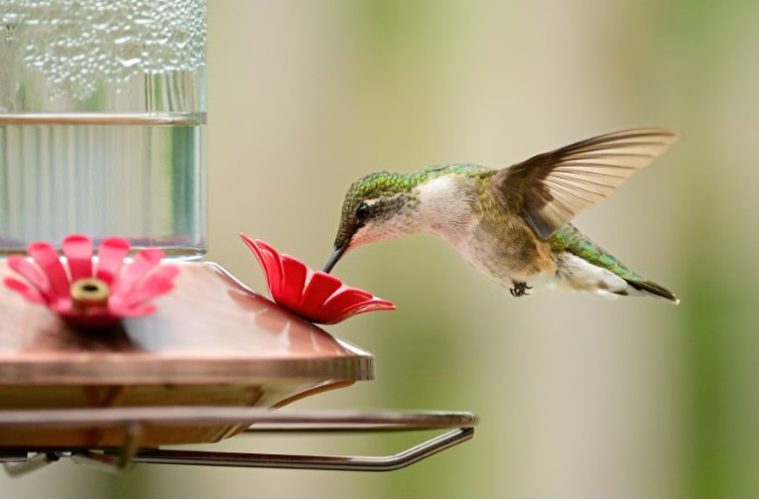
Hummingbirds are still visiting many yards through fall, and the right feeder setup, fresh nectar and flowers can help keep them coming well into migration season.
Hummingbird Season Extends Into Fall
August 24, 2026 – Summer may be winding down, but hummingbird season is not over. According to National Aviary ornithologist Robert Mulvihill, hummingbirds can continue visiting yards through September as many birds begin migrating toward Mexico and Central America.
That makes late summer an especially useful time to put out a first feeder or improve an existing setup. In much of the United States, hummingbirds can still be active for weeks, while some areas—including parts of Texas, Florida and Arizona—may see them throughout the year.
Rather than taking feeders down as soon as summer fades, gardeners can continue offering a reliable nectar source while also planting flowers that hummingbirds naturally prefer.

Start With One Feeder
If you are new to feeding hummingbirds, there is no need to fill the yard with feeders immediately. Mulvihill recommends starting with one and learning the maintenance routine before adding more.
The most important part is keeping the nectar fresh. The recommended mixture is four parts water to one part refined white table sugar. Honey, raw sugar, brown sugar and powdered sugar should not be used, and red food coloring is unnecessary.
A single well-maintained feeder is much better than several that are neglected. Once you are comfortable cleaning and refilling one regularly, you can expand the setup if hummingbird activity increases.
Keep the Nectar Fresh and Clean
Feeder maintenance is essential because contaminated nectar can make hummingbirds sick. Mulvihill recommends taking feeders down at least every few days, emptying them, washing them with hot, soapy water, rinsing them thoroughly and refilling them with fresh nectar.
There is an especially important warning sign to watch for: cloudy or milky nectar. That indicates bacterial contamination and means the feeder should be cleaned immediately rather than simply topped off with fresh solution.
This routine is one reason it makes sense to begin with a manageable number of feeders. More stations mean more cleaning, and hummingbirds benefit more from dependable care than from a large number of neglected feeding points.
Add More Feeders When Activity Increases
Once your yard regularly attracts hummingbirds, adding another feeder can help accommodate more birds. Hummingbirds are territorial, so multiple feeding stations can reduce competition and make it harder for one bird to control the available food source.
Spacing is important. If you use more than one feeder, placing them on opposite sides of the house can separate territorial birds. If you want them closer together, Cornell Bird Lab project assistant Holly Grant recommends keeping them at least 10 feet apart.
Multiple feeders also make maintenance easier because one can remain available while another is being washed.

Choose a Safe, Visible Location
The best feeder location is one where you can easily see the birds while also giving them enough protection from predators. A porch, deck, feeder pole or suitable tree branch can all work.
Grant cautions against placing a feeder too close to dense shrubs or bushes where cats and other predators could hide. Hummingbirds need enough open space around the feeder to spot danger before approaching.
At the same time, the feeder should be convenient for you. A spot visible from a favorite window can turn feeding into an easy bird-watching activity without requiring you to spend time outside every day.
Flowers Still Matter
Feeders are useful, but hummingbirds do not depend on them exclusively. They continue to seek nectar from flowers, which means a garden filled with hummingbird-friendly plants can complement your feeder setup.
Red and orange blooms can be particularly attractive, with cardinal flower, bee balm, columbine, coral honeysuckle and scarlet sage among the plants recommended by the experts.
Keeping flowers blooming into late summer gives hummingbirds another reason to visit even when a feeder is available. It also creates a more natural food source within the landscape instead of making the feeder the only attraction.
Leave Feeders Up Through Migration
There is no need to remove hummingbird feeders simply because summer is ending. Mulvihill recommends keeping them available through September and potentially into October, or as long as hummingbirds are still visiting.
Leaving feeders out can be especially valuable during migration. Birds traveling long distances need reliable sources of energy, and a maintained feeder can provide an additional option alongside natural flowers.
Gardeners in colder regions should continue monitoring the nectar rather than automatically removing the feeder on a specific date.

Late Fall Visitors Can Be Unexpected
There is another reason to keep watching the feeder after the usual ruby-throated hummingbirds have migrated. Western hummingbird species have increasingly been observed farther east during late fall, according to Mulvihill.
Species including rufous, Allen’s and black-chinned hummingbirds have appeared at feeders in the eastern United States into November and beyond. That means keeping a feeder available could result in an unexpected visitor even after the birds you normally see have disappeared.
Some enthusiasts in colder regions even use heated hummingbird feeders to prevent nectar from freezing, although that is a very different level of commitment from simply maintaining a feeder during fall.
Make the Most of the Remaining Season
The simplest approach is to focus on consistency. Keep nectar fresh, clean feeders regularly, provide flowering plants and avoid locations where predators can easily hide.
You also do not need to worry about hummingbirds becoming dependent on feeders. Grant notes that birds have plenty of natural food available and can continue finding nectar elsewhere when feeders are removed for cleaning or maintenance.
With those basics in place, late summer and early fall can remain an active period for hummingbird watching. The season may be winding down, but your yard can still be one of their favorite stops.
Final Thoughts
Hummingbird season lasts longer than many gardeners realize, making August and September a good time to keep feeders active rather than putting them away. A clean feeder, fresh four-to-one sugar-water mixture and a few nectar-rich flowers can make a noticeable difference.
Pay attention to where the birds gather, keep feeding stations safe and continue maintaining them while hummingbirds are still visiting. You may even spot a migrating species that is not usually found in your area.

FAQs
How long should hummingbird feeders stay up?
Feeders can stay up through September and into October, or as long as hummingbirds continue visiting. In some areas, they can be used year-round.
What is the correct sugar-to-water ratio for hummingbird nectar?
Use four parts water to one part refined white table sugar. Do not add red food coloring, honey or other types of sugar.
How often should hummingbird feeders be cleaned?
Clean and refill feeders at least every few days. If the nectar becomes cloudy or milky, clean the feeder immediately because the solution may be contaminated.
How many hummingbird feeders should I have?
Start with one and add more once you can maintain them properly. Multiple feeders can reduce territorial conflicts, especially when they are spaced apart.
What flowers attract hummingbirds?
Cardinal flower, bee balm, columbine, coral honeysuckle and scarlet sage are among the flowers recommended for attracting hummingbirds.
Published by HOLR Magazine