


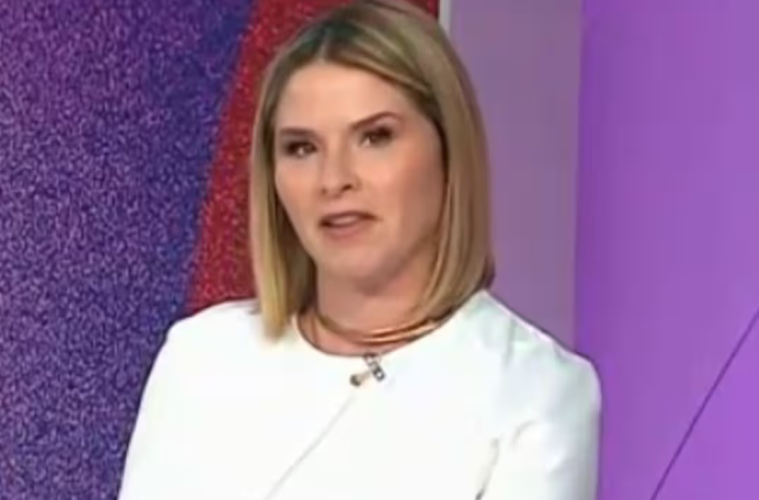
A presidential interview series sparks unexpected controversy
Jenna Bush Hager clarifies the situation
April 22, 2026: Jenna Bush Hager is addressing growing speculation surrounding an alleged “snub” of Donald Trump after she conducted interviews with several living U.S. presidents. What began as a reflective media segment quickly evolved into a wider conversation, as audiences questioned why Trump was not included in the lineup.
Hager has responded directly to the narrative, making it clear that the omission was not intentional or politically motivated. Her clarification aims to shift focus back to the purpose of the interviews rather than the controversy that followed.

Image Credit: NBC News
The original goal behind the interviews
The interview series was designed to offer viewers a rare opportunity to hear directly from former U.S. presidents about leadership, legacy, and personal experiences in office. By bringing together voices from different administrations, the segment sought to highlight both common ground and contrasting perspectives.
This type of programming is relatively uncommon, making it notable from the outset. However, the attention it generated for its content was soon overshadowed by questions about representation, particularly regarding Trump’s absence.
How the “snub” narrative took shape
The idea of a “snub” emerged largely through online discussion, where audiences began to interpret Trump’s absence as a deliberate choice. In a highly polarized media environment, such interpretations can gain traction quickly, often without full context.
Jenna Bush Hager addressed this directly, explaining that logistical challenges and scheduling constraints played a significant role in determining which interviews took place. She emphasized that the process was shaped by availability rather than exclusion.
This clarification highlights how easily narratives can form when information gaps are filled by assumption rather than confirmation.
The role of timing and availability
Coordinating interviews with high-profile figures—particularly former presidents—presents unique logistical challenges. Scheduling, security considerations, and timing all influence what is ultimately possible within a production timeline.
In this context, the absence of Donald Trump becomes less about intent and more about practical limitations. However, such nuances are often lost in public discourse, where outcomes are sometimes interpreted without full visibility into the process.
Hager’s explanation reinforces the idea that not every omission carries deeper meaning, even when it involves prominent figures.
Image Credit: Getty Images
Jenna Bush Hager’s unique perspective
As both a media personality and the daughter of George W. Bush, Hager brings a distinct perspective to political storytelling. Her role allows her to engage with presidential figures in a way that blends personal familiarity with journalistic curiosity.
This unique position also places her under closer scrutiny. Decisions that might otherwise be viewed as routine can take on added significance due to her background, particularly when they intersect with contemporary political narratives.
Media perception in a polarized environment
The reaction to the interview series reflects a broader reality: media content is often interpreted through the lens of existing political divisions. Even neutral or logistical decisions can be perceived as intentional statements, depending on the audience.
In this case, the absence of one figure became the focal point, overshadowing the broader intent of the project. This shift illustrates how quickly narratives can be reframed, especially when amplified by social media.
The influence of social media amplification
Platforms like X, Instagram, and other digital channels play a significant role in shaping how stories evolve. Initial speculation can rapidly become a dominant narrative, influencing how audiences interpret events before official clarifications are widely seen.
For Jenna Bush Hager, this meant responding not just to a question, but to a fully formed narrative that had already gained momentum. Her response serves as an attempt to realign the conversation with the facts.

Image Credit: Getty Images
Balancing storytelling and public expectation
Interview projects involving political figures must navigate a complex balance between storytelling goals and audience expectations. While producers focus on content and logistics, audiences often evaluate outcomes based on perceived fairness or representation.
This gap can lead to misunderstandings, as seen in the “snub” narrative. Hager’s response highlights the importance of transparency in addressing such situations, even when the reasoning is straightforward.
What this moment reveals about modern media
The situation underscores how modern media operates in a cycle of rapid interpretation and reaction. Content is no longer experienced in isolation; it is immediately analyzed, debated, and reframed by audiences.
This dynamic creates both opportunities and challenges. While it allows for greater engagement, it also increases the likelihood of misinterpretation, particularly when information is incomplete.
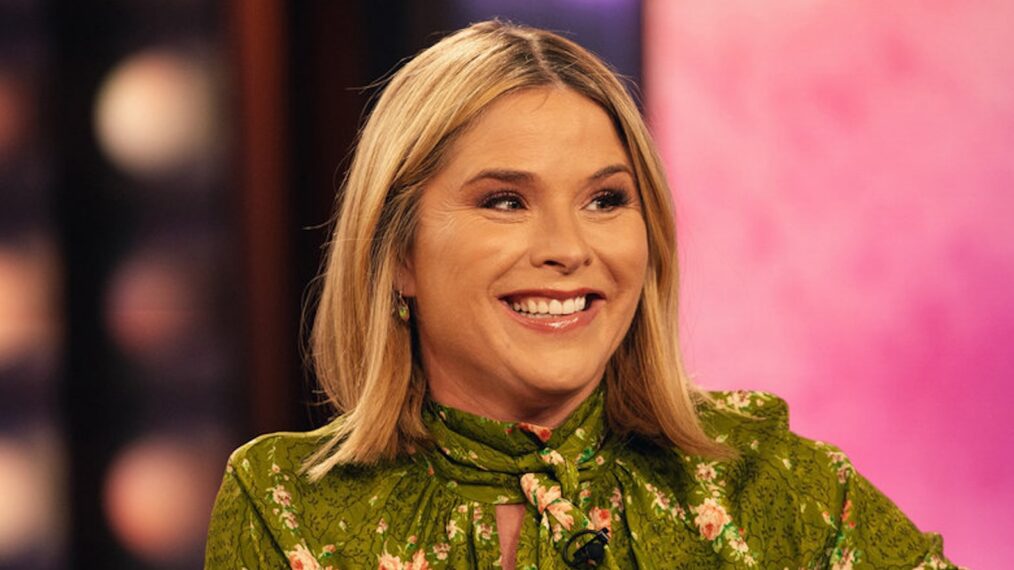
Image Credit: Getty Images
Final Thoughts
Jenna Bush Hager’s response to claims of a Donald Trump “snub” highlights the complexity of perception in today’s media landscape. What began as a thoughtful interview series quickly became a broader conversation shaped by speculation and audience interpretation.
As media continues to evolve, moments like this illustrate the importance of context, clarity, and communication in shaping how stories are understood.
FAQs
Q1: Why was Donald Trump not included in the interviews?
Jenna Bush Hager explained that it was due to logistical and scheduling factors, not a deliberate snub.
Q2: What was the purpose of the interview series?
It aimed to explore leadership and personal insights from living U.S. presidents.
Q3: Who is Jenna Bush Hager?
She is a television host and the daughter of former President George W. Bush.
Q4: Why did the “snub” narrative gain attention?
It spread through social media, where the absence was interpreted as intentional.
Q5: Has the issue been resolved?
Hager has clarified the situation, though public discussion continues.
Published by HOLR Magazine