


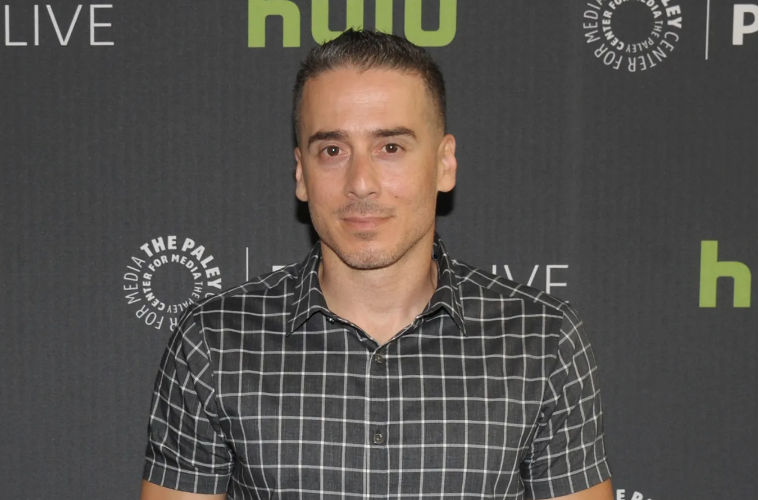
A candid revelation highlights growing financial pressure in the industry
Kirk Acevedo opens up about financial struggles
April 17, 2026 – Kirk Acevedo is shedding light on the financial realities facing working actors, revealing that he was forced to sell his home as opportunities for “middle-class” performers continue to shrink.
Known for roles across major franchises and television, Acevedo’s statement underscores a broader issue within Hollywood—where consistent, sustainable careers are becoming increasingly difficult to maintain for actors who are not at the very top of the industry.

Image Credit: David Livingston/Getty Images
A career spanning major franchises
Over the years, Kirk Acevedo has built a diverse career, appearing in projects tied to both Marvel and DC, as well as the Planet of the Apes franchise.
Despite this extensive résumé, Acevedo’s experience highlights a surprising reality: even actors with recognizable credits can face financial instability. The gap between high-profile stars and working actors has widened, leaving many in a precarious position.
His situation challenges the common perception that consistent screen appearances automatically translate into long-term financial security.
The “middle-class actor” dilemma
Acevedo described himself as part of a shrinking group of “middle-class actors”—performers who may not command blockbuster salaries but rely on steady work across television and film.
Traditionally, this segment of the industry formed the backbone of Hollywood, with actors building sustainable careers through recurring roles, guest appearances, and supporting parts.
However, shifts in the entertainment landscape have disrupted this model. Fewer mid-budget productions, shorter seasons, and evolving streaming economics have reduced opportunities for consistent employment.
As a result, many actors are finding it increasingly difficult to maintain financial stability.
:max_bytes(150000):strip_icc():focal(773x340:775x342)/Kirk-Acevedo-Arrow-041626-f66302e8a6ce42749dcfe069b1ab2174.jpg)
Image Credit: Jack Rowand/The CW
The impact of streaming and industry changes
The rise of streaming platforms has transformed how content is produced and consumed, but it has also altered compensation structures. Residuals—once a reliable source of income for actors—have become less predictable, particularly in the streaming era.
At the same time, the industry has seen a decline in mid-budget films and longer-running television series, both of which traditionally provided steady work for actors like Acevedo.
These changes have contributed to a landscape where only top-tier talent consistently benefits, while others face greater uncertainty.
Selling his home: a stark reality
Acevedo’s decision to sell his home underscores the tangible impact of these industry shifts. Housing is often one of the most significant financial commitments, and being forced to sell reflects the level of pressure he has experienced.
His story brings attention to the real-life consequences of broader industry trends, moving the conversation beyond abstract discussions to concrete realities faced by working professionals.
It also highlights the unpredictability of careers in entertainment, where success does not always guarantee long-term security.
:max_bytes(150000):strip_icc():focal(714x176:716x178):format(webp)/Kirk-Acevedo-Agents-of-Shield-041626-3e574f987ad84d6a9a09477aa41e6402.jpg)
Image Credit: Kelsey McNeal/Getty
A broader industry conversation
Acevedo’s comments come at a time when discussions about fair compensation and working conditions in Hollywood are gaining momentum. Recent industry strikes and negotiations have focused on issues such as residuals, job security, and the impact of streaming.
His experience adds a personal dimension to these conversations, illustrating how systemic changes affect individuals at different levels of the industry.
The concept of the “middle-class actor” being squeezed out raises important questions about sustainability and the future of creative professions.
Audience perception vs. reality
For many viewers, actors who appear in major franchises are assumed to be financially secure. Acevedo’s story challenges this assumption, revealing a disconnect between public perception and industry reality.
This gap highlights the importance of understanding the complexities of entertainment careers, where visibility does not always equate to stability.
By sharing his experience, Acevedo provides insight into a side of Hollywood that is often overlooked.

Image Credit: Getty Images
What this means for the future
If current trends continue, the industry may face a growing divide between high-earning stars and those struggling to maintain consistent work. This could have implications for the diversity and depth of talent available in film and television.
Sustaining a healthy creative ecosystem requires opportunities across all levels, not just at the top. Ensuring that working actors can build viable careers is essential for the long-term vitality of the industry.
Acevedo’s comments serve as a reminder that these challenges are not theoretical—they are already affecting individuals in meaningful ways.
Final Thoughts
Kirk Acevedo’s revelation about selling his home highlights a critical issue within Hollywood: the increasing difficulty for “middle-class” actors to sustain their careers. His story sheds light on the financial pressures created by evolving industry dynamics, from streaming economics to shifting production models.
By speaking openly, Acevedo contributes to an important conversation about fairness, sustainability, and the future of creative work. As the industry continues to evolve, addressing these challenges will be key to ensuring that talent at all levels can thrive.
FAQs
Q1: Why did Kirk Acevedo sell his home?
He said financial pressures and fewer opportunities forced him to do so.
Q2: What does “middle-class actor” mean?
It refers to actors who rely on steady work but are not top-earning stars.
Q3: What industry changes are affecting actors?
Streaming models, reduced residuals, and fewer mid-budget projects.
Q4: What franchises has he worked in?
He has appeared in Marvel, DC, and Planet of the Apes projects.
Q5: Why is this story important?
It highlights financial struggles faced by working actors in Hollywood.
Published by HOLR Magazine