



‘Wicked’ star speaks out on alleged airline discrimination
Marissa Bode shares her experience
April 25, 2026 – Marissa Bode, known for her role in Wicked, has claimed she was denied boarding a flight because of her disability. Speaking about the incident, Bode described the experience as both frustrating and disheartening, bringing attention to ongoing concerns about accessibility in air travel.
Her statement has sparked widespread discussion, highlighting the challenges faced by individuals with disabilities when navigating transportation systems that are not always fully accommodating.

Image Credit: Getty Images
The incident and its immediate impact
According to Marissa Bode, the situation unfolded at the airport when she was reportedly prevented from boarding despite having valid travel arrangements. She alleges that her disability was the primary reason for the decision, raising serious questions about how such situations are handled by airline staff.
Incidents like this can have immediate consequences, including disrupted travel plans and emotional distress. For Bode, the experience also became a public issue, drawing attention to a broader systemic concern.
Accessibility challenges in air travel
Air travel has long been an area where accessibility remains inconsistent. While regulations exist to protect passengers with disabilities, implementation can vary, leading to situations where individuals encounter barriers.
Marissa Bode’s account reflects these challenges, emphasizing the gap between policy and practice. Ensuring accessible travel requires not only rules but also proper training and awareness among airline personnel.

Image Credit: Maya Dehlin Spach/Getty Images
Legal protections and passenger rights
Passengers with disabilities are protected under various laws and regulations designed to ensure equal access to transportation. These frameworks are intended to prevent discrimination and provide accommodations that allow all passengers to travel safely.
In cases like this, determining whether policies were followed becomes a key issue. Allegations of denial based on disability raise serious concerns about compliance and accountability.
Public reaction and support
The response to Marissa Bode’s claim has been significant, with many expressing support and sharing similar experiences. Social media has become a platform for amplifying such stories, bringing attention to issues that might otherwise remain isolated.
This level of engagement reflects a growing awareness of accessibility challenges and a willingness to address them publicly.
The role of representation and visibility
As a public figure, Marissa Bode’s decision to speak out carries additional weight. Representation plays a crucial role in highlighting issues faced by marginalized communities, and her story contributes to a broader conversation about inclusion.
Visibility can lead to increased accountability, encouraging organizations to examine their practices and make necessary improvements.
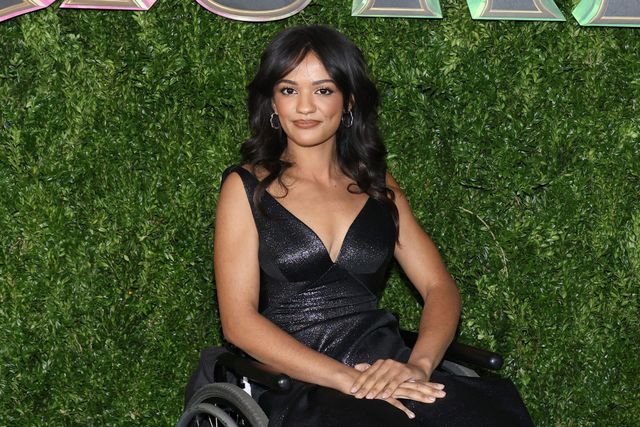
Image Credit: Getty Images
Airline responsibility and accountability
Airlines have a responsibility to ensure that all passengers are treated fairly and with respect. This includes providing appropriate accommodations and ensuring that staff are trained to handle diverse needs.
The situation described by Marissa Bode raises questions about how effectively these responsibilities are being met. Addressing such concerns is essential for building trust and ensuring equitable travel experiences.
A broader conversation about inclusion
The incident is part of a larger discussion about inclusion and accessibility across industries. Ensuring equal access is not limited to transportation but extends to all areas of public life.
Stories like Bode’s highlight the importance of ongoing efforts to remove barriers and create environments that are accessible to everyone.
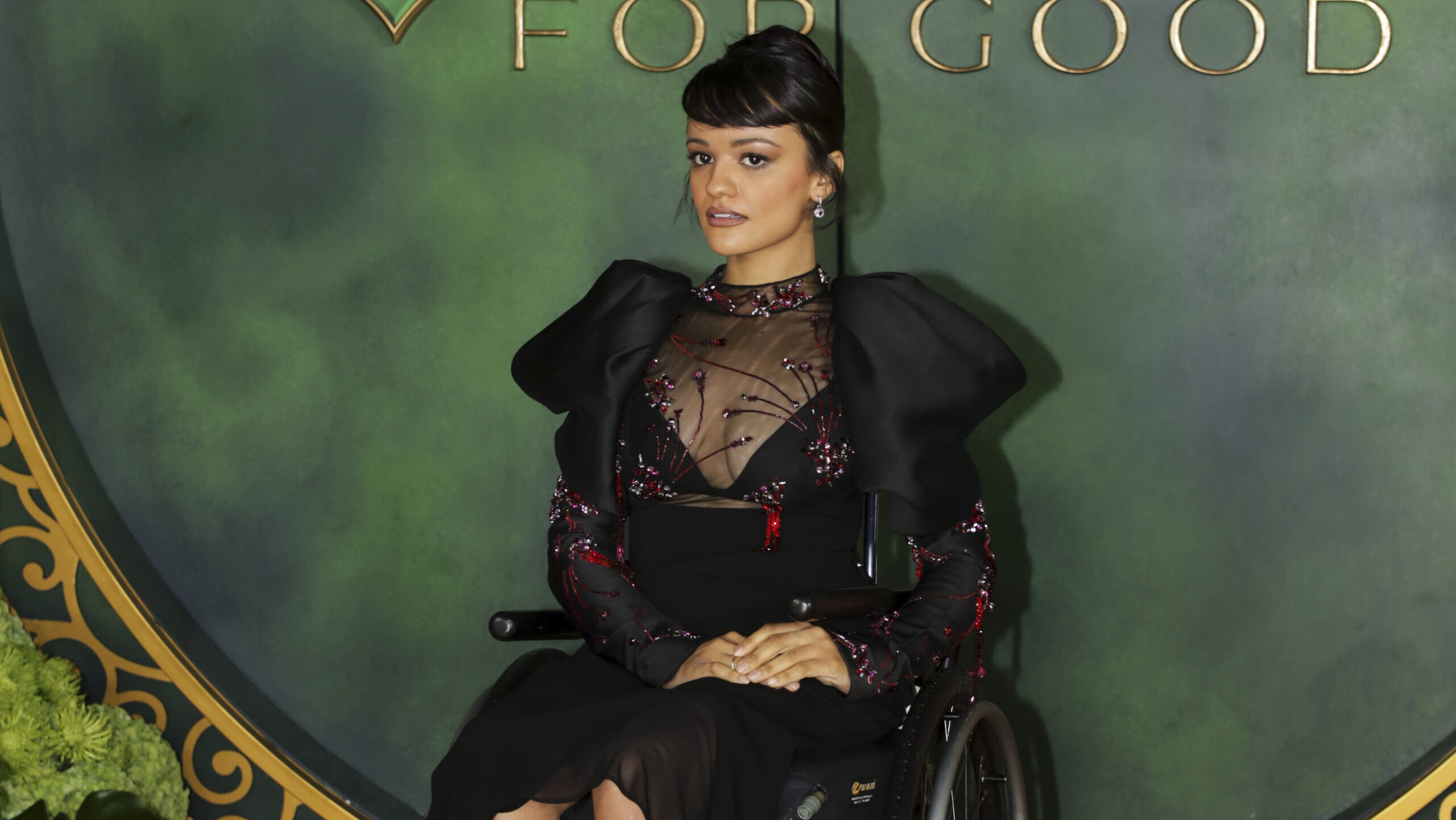
Image Credit: Aimee Rose McGhee/Dave Benett/WireImage
What happens next
It remains to be seen how the situation will be addressed, including whether the airline involved will respond or take action. Cases like this often lead to further investigation and, in some instances, policy changes.
The outcome may influence how similar situations are handled in the future, contributing to broader improvements in accessibility.
Final Thoughts
Marissa Bode’s claim that she was denied boarding due to her disability brings attention to ongoing challenges in accessibility and inclusion. Her experience underscores the importance of ensuring that policies are not only in place but effectively implemented.
As the conversation continues, it serves as a reminder of the need for accountability and progress in creating equitable systems for all individuals.
FAQs
Q1: Who is Marissa Bode?
She is an actress known for her role in Wicked.
Q2: What did she claim?
She said she was denied boarding a flight because of her disability.
Q3: Why is this significant?
It highlights issues of accessibility in air travel.
Q4: Are there laws protecting disabled passengers?
Yes, there are regulations designed to prevent discrimination.
Q5: What could happen next?
The situation may lead to further investigation or policy review.
Published by HOLR Magazine