


HOLR HIGHLIGHTS
The key details readers need to know.
- Mark Zuckerberg apologized to the Indian government over CSAM, deepfake content, and operational lapses on Meta’s platforms.
- The apology follows weeks of growing pressure from Indian authorities over Meta’s handling of harmful and illegal content.
- Meta has also faced criticism after Facebook mistakenly restricted a post by Indian Prime Minister Narendra Modi, prompting another government response
August 5, 2026
Meta CEO Mark Zuckerberg has apologized to the Indian government after the company came under mounting scrutiny over child sexual abuse material (CSAM), deepfake content, and a series of moderation failures across Facebook and Instagram.
Meta is once again facing questions about how it manages content across its platforms.
According to Reuters, Meta CEO Mark Zuckerberg apologized to the Indian government for the presence of child sexual abuse material (CSAM), deepfake content, and operational shortcomings involving the company’s platforms, including Facebook and Instagram. The apology was reportedly conveyed during a meeting between Meta executives and Indian government officials.
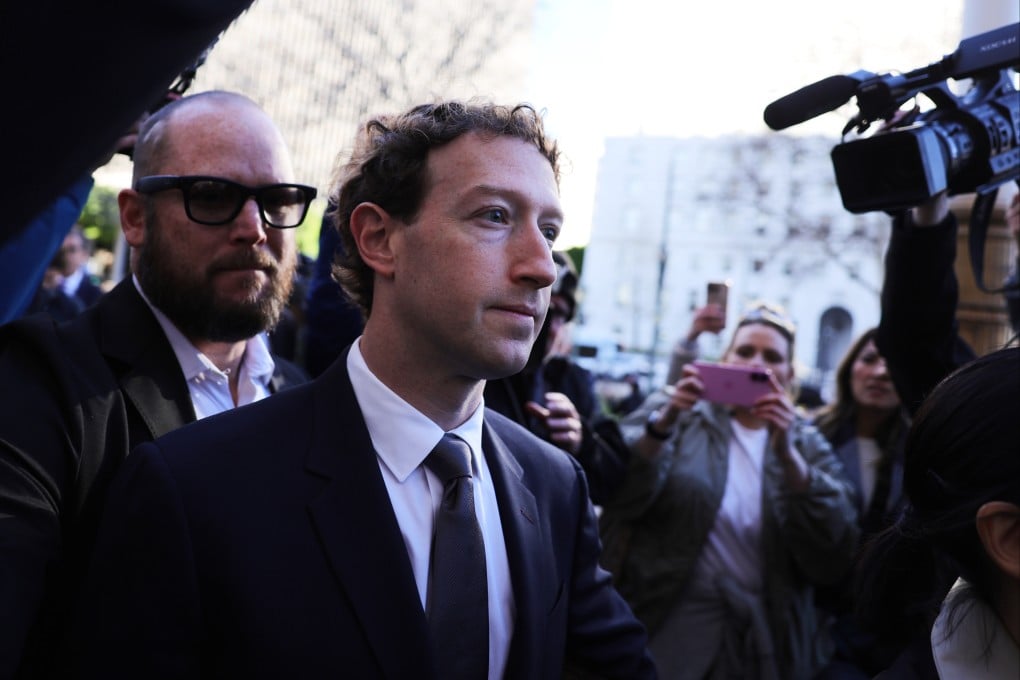
Photo: AP
The move comes after Indian authorities increased pressure on Meta to explain how illegal and harmful content remained accessible despite the company’s moderation policies
What Prompted the Apology?
The apology didn’t happen in isolation.
In July, India’s government directed Meta to remove content containing child sexual abuse material and sought an explanation for how it had appeared on the platforms in the first place. Meta responded by reiterating its zero-tolerance policy toward CSAM and said it was continuing to strengthen its detection systems.)
The pressure intensified after Facebook mistakenly restricted a post from Prime Minister Narendra Modi, which Meta later described as an operational error. The post was restored, but the incident led to another round of scrutiny from Indian officials.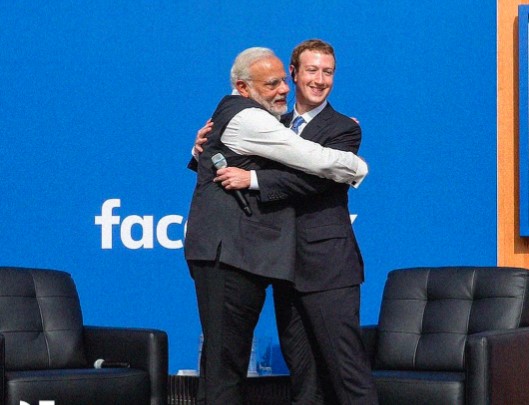
At the same time, Hyderabad police registered a case against Meta India head Arun Srinivas over Facebook content that allegedly portrayed Modi in an abusive manner, adding to the company’s regulatory challenges in one of its largest markets.
India Is Tightening the Rules for Social Media Platforms
The controversy arrives as India introduces tougher digital regulations.
The government recently shortened the time social media companies have to remove unlawful content after receiving a legal or government notice. Platforms are now expected to act within three hours, a significant reduction from the previous timeline. Officials have also warned global technology companies that they will be held to higher standards when it comes to harmful content, AI-generated misinformation, and user safety.
For Meta, India is one of its most important markets, making its relationship with regulators especially significant.
What Did Zuckerberg Apologize For?
Reports indicate that Zuckerberg’s apology addressed several areas of concern raised by Indian officials, including:
- The spread of child sexual abuse material (CSAM) on Meta platforms.
- The growing problem of AI-generated deepfake content.
- Operational mistakes in Meta’s moderation and enforcement systems.
- Broader concerns about how Facebook and Instagram handle illegal and harmful material.
ABC News
While Meta has repeatedly stated that it invests heavily in content moderation and AI-powered detection tools, the latest developments highlight the ongoing challenge of policing billions of pieces of content shared across its platforms every day.
What Happens Next?
The apology is unlikely to end the discussion.
Indian authorities have made it clear that they expect stronger compliance from major technology companies operating in the country. The government has signaled that platforms could face stricter oversight if they fail to respond quickly to illegal content or moderation failures.

AP Photo/Susan Walsh
For Meta, the situation is about more than one apology. It reflects the growing pressure social media companies face worldwide as governments demand greater accountability for harmful content, deepfakes, and online safety.
FAQs
Why did Mark Zuckerberg apologize to the Indian government?
According to Reuters, Zuckerberg apologized over the presence of child sexual abuse material (CSAM), deepfake content, and operational lapses on Meta’s platforms during discussions with Indian government officials.
Which Meta platforms were involved?
The concerns relate to Meta’s major platforms, including Facebook and Instagram.
What is CSAM?
CSAM stands for Child Sexual Abuse Material, a term used to describe illegal content depicting the sexual abuse or exploitation of children.
Why is India increasing pressure on Meta?
Indian authorities have raised concerns about harmful content, deepfakes, and content moderation practices. The government has also introduced stricter rules requiring platforms to remove unlawful content more quickly after receiving official notices.
Did the apology involve Prime Minister Narendra Modi’s Facebook post?
The apology over CSAM and deepfakes is separate, but it comes after Meta also apologized for mistakenly restricting a Facebook post by Prime Minister Narendra Modi, an incident that increased scrutiny of the company’s moderation systems.