


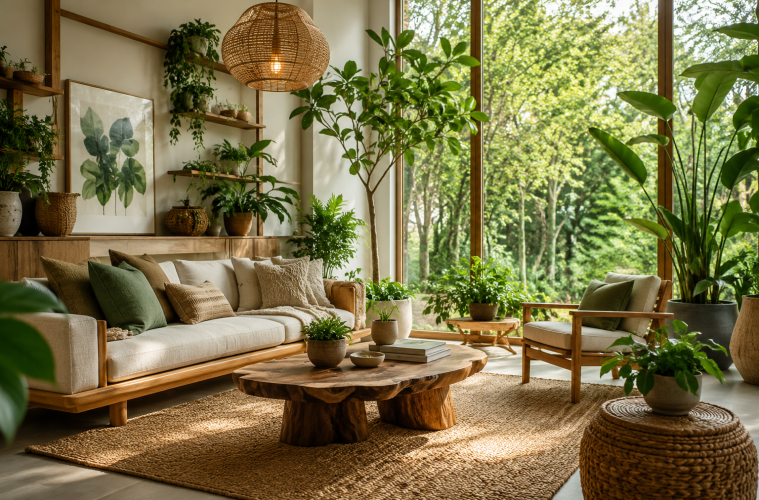
Biophilic interior design is all about creating a stronger connection between your home and the natural world through plants, natural materials, light, textures, colors and organic elements.
August 26, 2026: If your home feels more relaxing when it has plenty of natural light, greenery, wood, fresh air and natural textures, you may already be drawn to biophilic interior design without realizing it. This growing interior design approach focuses on bringing elements of nature into everyday living spaces to create homes that feel calmer, fresher and more connected to the outdoors.
Unlike a decorating trend that depends on a particular color palette or furniture style, biophilic design is more about how a space makes you feel. It can be as simple as adding a few houseplants to an apartment or as intentional as designing a home around natural light, indoor gardens and views of the outdoors.
HOLR breaks down what biophilic interior design means, why it has become so popular and how you can bring the look into your own home.
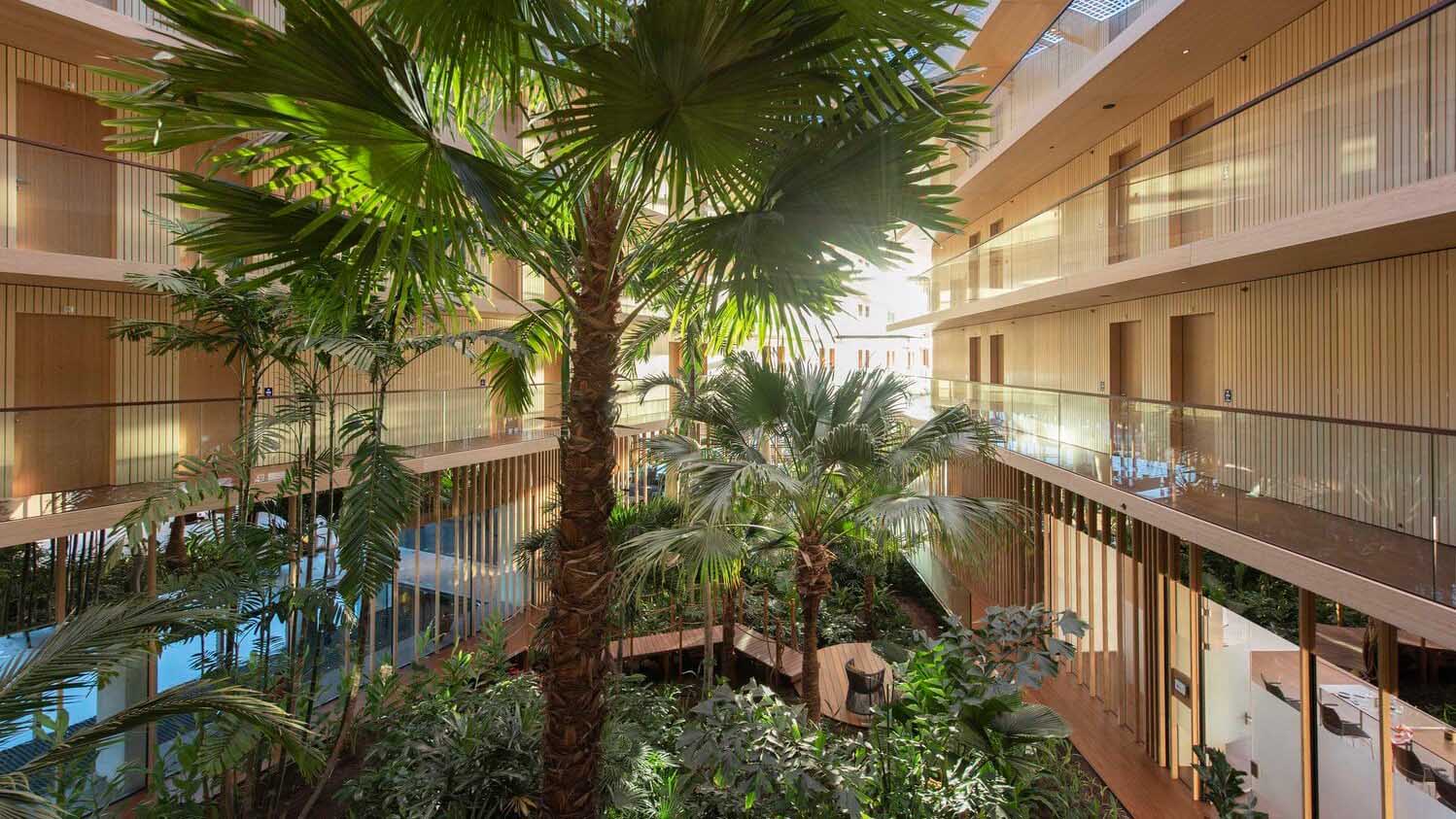
Image Credit: designwanted.com
What Is Biophilic Interior Design?
Biophilic interior design is an approach to decorating and designing spaces that incorporates elements of nature into the built environment. The word “biophilic” comes from the idea of a natural human connection to living things and the environment.
In an interior, that connection can be created in several ways. Plants are one of the most obvious examples, but biophilic design goes much further. Natural wood, stone, bamboo, linen, wool, earthy colors, organic shapes, natural light and even views of trees or gardens can all contribute to a biophilic space.
The goal is not to make your living room look like a greenhouse. Instead, it is about creating an environment that feels naturally inviting and comfortable.
Why Is Biophilic Design So Popular?
Modern life often means spending long hours indoors, whether at home, in an office or commuting between the two. Biophilic design offers a way to bring some of the visual and sensory qualities of the outdoors into those spaces.
A room filled with greenery, sunlight and natural textures can feel noticeably different from one dominated by artificial lighting and synthetic materials.
There is also something timeless about natural materials. Wood, stone, plants and woven fabrics can work with everything from minimalist interiors to traditional homes, making biophilic design relatively easy to adapt to your personal style.

Image Credit: designwanted.com
The Key Elements of Biophilic Interior Design
You do not need to completely renovate your home to create a biophilic interior. Start by looking at the elements already present in your space and consider where you can introduce more natural details.
Bring in Plenty of Plants
Plants are perhaps the easiest way to introduce biophilic design into a home. Large floor plants can add life to an empty corner, while smaller plants can brighten shelves, desks and windowsills.
You can also experiment with hanging plants, herb gardens or a collection of different greenery rather than relying on a single plant.
If you do not have much natural light, choose varieties that can tolerate lower-light conditions. The key is to select plants that suit your actual home rather than creating a collection that requires constant maintenance.
Make the Most of Natural Light
Natural light is another important part of a biophilic interior. Whenever possible, allow daylight to become a major feature of the room.
Keep windows relatively clear, use lightweight curtains and position furniture in a way that does not unnecessarily block sunlight.
Mirrors can also help reflect natural light around a room, particularly in smaller spaces.
For rooms that receive limited daylight, warm artificial lighting can help create a softer atmosphere after sunset.
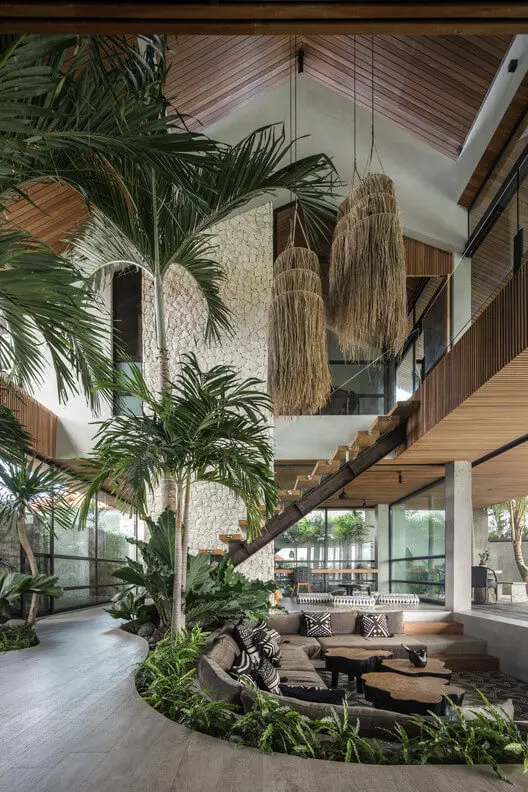
Image Credit: designwanted.com
Choose Natural Materials
Furniture and decorative pieces made from natural materials can immediately change the feeling of a room.
Think wooden tables, rattan chairs, bamboo accessories, stone surfaces, linen curtains, wool rugs and woven baskets. These materials introduce texture while creating a visual connection to nature.
You do not need to replace everything you own. Even adding one wooden coffee table, a jute rug or a woven storage basket can move a room in a more natural direction.
Use Earthy and Nature-Inspired Colors
Biophilic interiors often feature colors inspired by the natural world.
Soft greens, warm browns, sandy beige, cream, terracotta and muted blues can create a relaxed backdrop. You can also use deeper forest greens or earthy tones if you prefer a more dramatic interior.
The idea is not to stick to one specific “biophilic” palette. Instead, consider the colors you naturally see outdoors and use them as inspiration.
Add Organic Shapes
Nature rarely follows perfectly straight lines, so introducing softer shapes can make an interior feel more organic.
Curved sofas, rounded coffee tables, arched mirrors, sculptural lighting and irregular decorative objects can all work beautifully in a biophilic space.
Even something as simple as a round wooden table can soften a room filled with straight furniture and sharp edges.
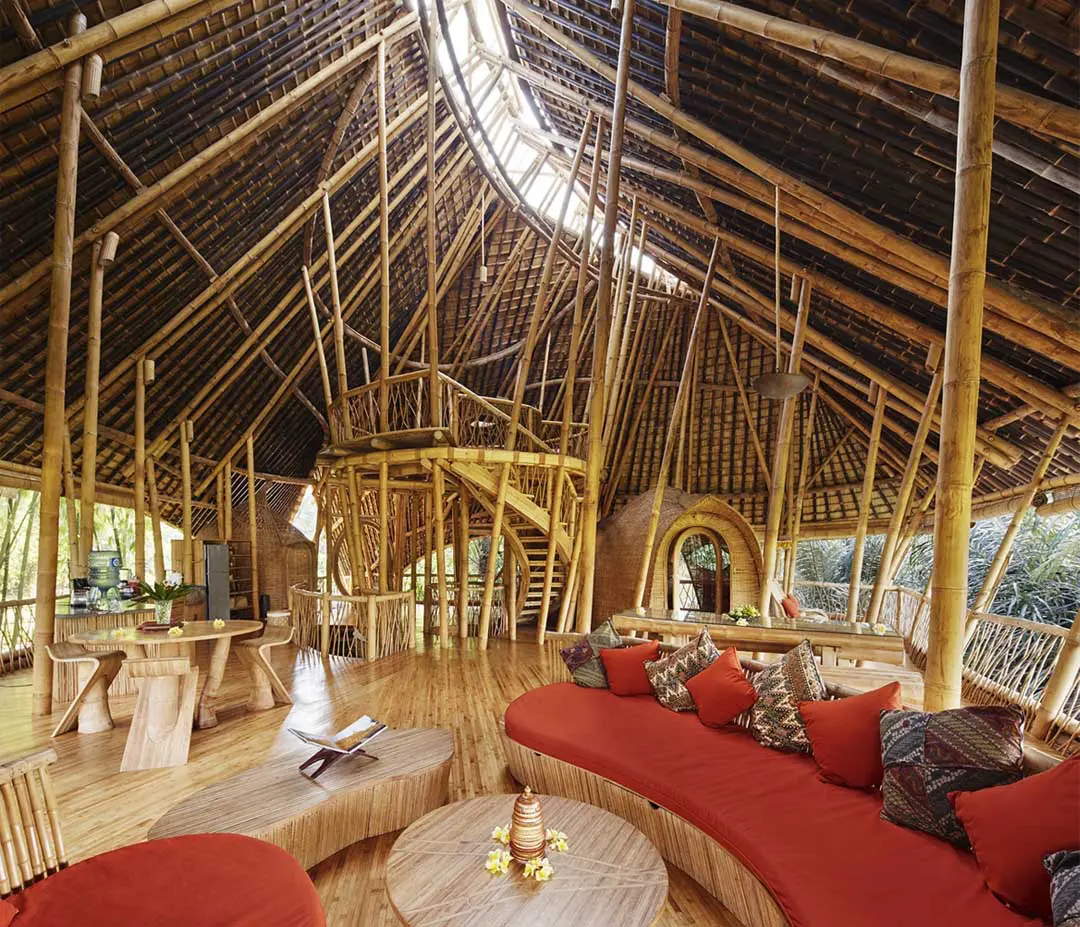
Image Credit: designwanted.com
Create a Connection to the Outdoors
If your home has a balcony, patio, garden or large windows overlooking trees, make the most of it.
Position seating where you can enjoy the view, keep outdoor areas visually connected to indoor rooms and use similar materials or colors in both spaces.
For homes without a garden or scenic view, artwork featuring landscapes, botanical prints and nature-inspired photography can help create a similar visual connection.
Biophilic Design Does Not Mean “More Plants”
One common misconception is that biophilic interior design simply means filling a home with houseplants.
Plants are certainly important, but they are only one part of the concept.
A minimalist room with one large plant, natural oak furniture, linen curtains, plenty of daylight and a view of the outdoors can be just as biophilic as a room packed with greenery.
Think about the overall experience rather than counting how many plants you have.
How to Add Biophilic Design on a Budget
You do not need a major renovation or an expensive interior designer to try the trend.
Start small. Add a few plants, replace synthetic throw pillows with linen or cotton options, introduce a wooden accessory or two and use nature-inspired artwork.
You can also rearrange your existing furniture to make better use of natural light. Open your curtains during the day, declutter your windows and bring outdoor views into focus.
Secondhand furniture is another great option. Vintage wooden tables, woven chairs and natural-material accessories can add character without requiring a huge budget.
Biophilic Interior Design Works in Every Room
The concept can be adapted throughout the home.
In the living room, combine greenery with natural fabrics and wooden furniture. In the bedroom, focus on soft textiles, warm lighting and calming colors. In the kitchen, consider wooden accessories, stone surfaces and a small herb garden.
Even bathrooms can benefit from the approach. Plants that enjoy humid environments, natural stone details and earthy colors can create a spa-like atmosphere.
For a home office, placing your desk near a window and adding greenery can make the space feel considerably more inviting.
Is Biophilic Design a Trend or a Long-Term Style?
While biophilic design has become increasingly popular in recent years, its principles are unlikely to disappear anytime soon.
Natural materials, daylight, greenery and comfortable spaces are not dependent on a particular fashion cycle. They can be incorporated into minimalist, modern, rustic, Scandinavian, contemporary and traditional interiors.
That makes biophilic design less about following a trend and more about creating a home that feels connected to the environment around you.
Final Thoughts
Biophilic interior design is ultimately about bringing more of the natural world into the places where we spend our everyday lives. From a sun-filled room and a wooden dining table to a few carefully chosen plants, even small changes can make an interior feel warmer and more inviting.
The best part is that there is no single formula to follow. You can introduce as much or as little nature as works for your space, budget and lifestyle.
HOLR has the latest home, lifestyle and interior design inspiration, and biophilic design is one approach worth considering if you want your home to feel more peaceful, natural and welcoming.
FAQs
What is the main idea behind biophilic interior design?
Biophilic interior design focuses on creating a stronger connection between people and nature inside the built environment by using elements such as plants, natural light, wood, stone, organic shapes and nature-inspired colors.
Is biophilic interior design expensive?
Not necessarily. You can create a biophilic look on a budget by adding houseplants, natural textiles, secondhand wooden furniture, botanical artwork and better use of existing natural light.
Does biophilic design only mean adding plants?
No. Plants are just one element. Natural materials, daylight, outdoor views, organic shapes, earthy colors and nature-inspired textures are also important parts of biophilic design.
What are the biggest stories trending online today? Read the latest here
Published by HOLR Magazine