


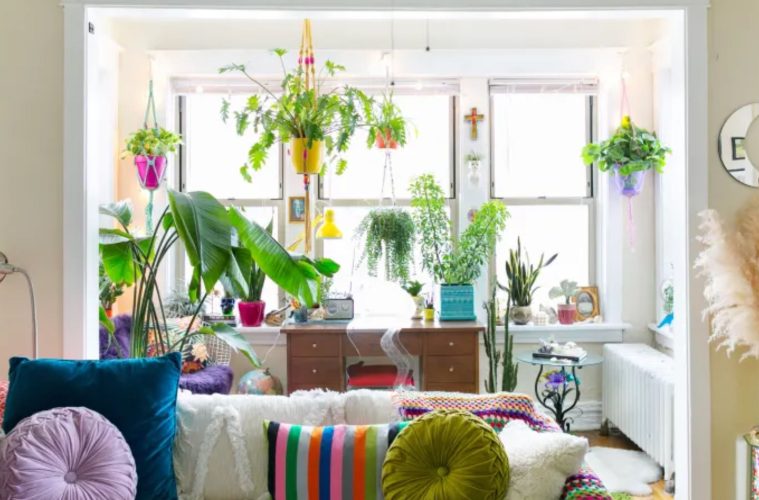
You do not need a large house or a backyard to enjoy greenery. With the right plants, containers and a little creativity, even a small corner can become a beautiful indoor garden.
August 26, 2026: Bringing plants into your home is one of the easiest ways to make a space feel fresher, warmer and more inviting. But if you live in an apartment or simply do not have much extra room, creating an indoor garden can seem difficult at first.
The good news is that an indoor garden does not need to take up an entire room. A sunny windowsill, kitchen counter, empty shelf or small corner can provide enough space to create your own little collection of greenery.
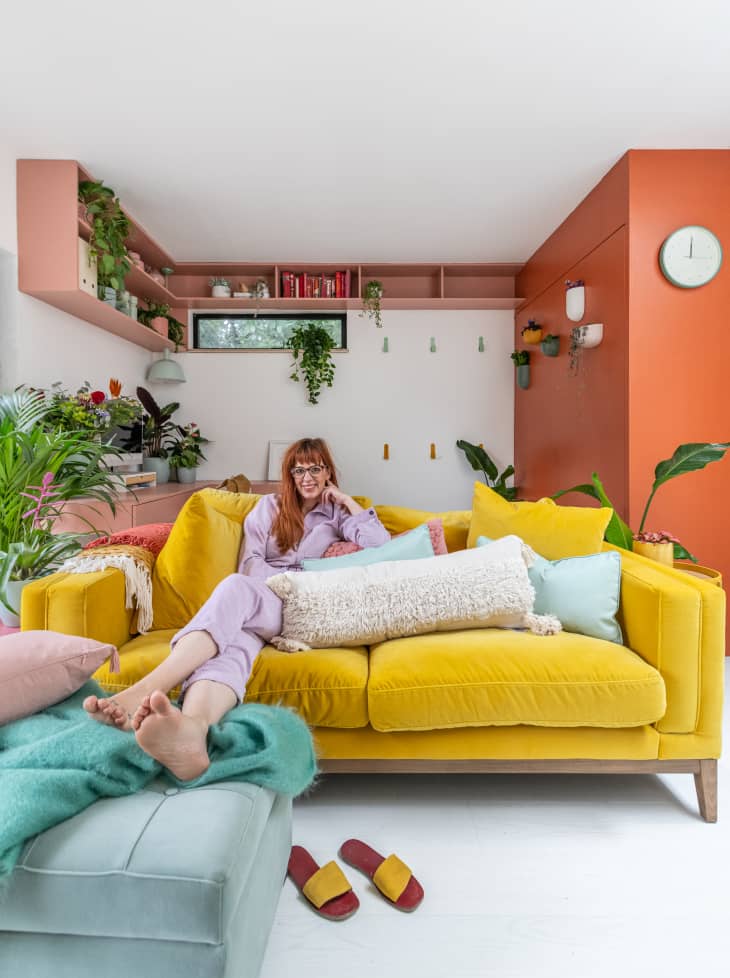
Image Credit: apartmenttherapy.com
Choose the Right Spot
The first step is deciding where your indoor garden will live. Look around your home for an area that receives enough natural light and is easy for you to access.
A windowsill is an obvious choice, but you can also use a small side table, kitchen shelf, plant stand or unused corner near a window.
Before choosing the location, pay attention to how much sunlight it receives throughout the day. Different plants have different light requirements, so choosing plants that match your space will make them much easier to care for.
Start With a Few Plants
When creating a small indoor garden, it can be tempting to buy every plant that catches your eye. However, starting with a small collection is usually a better approach.
Choose three or four plants with different shapes, sizes or textures. This can make your display look interesting without making the space feel crowded.
Once you become comfortable caring for them, you can gradually add more plants.
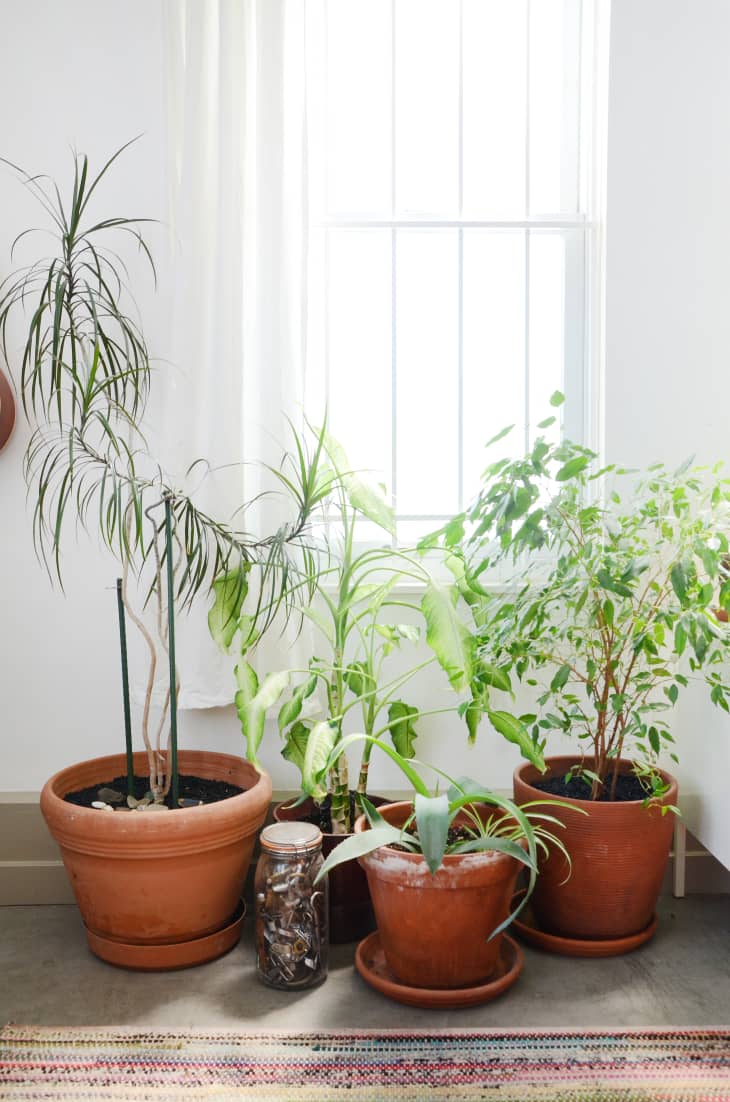
Image Credit: apartmenttherapy.com
Pick Plants That Suit Indoor Conditions
Not every plant will thrive indoors, especially if your home does not receive much natural light.
For beginners, options such as pothos, snake plants, spider plants, peace lilies and some varieties of philodendrons can be worth considering. Succulents and herbs can also work well in bright areas.
Before buying a plant, check its light, watering and humidity requirements. A plant that looks beautiful in a store may struggle if your home does not provide the conditions it needs.
Use Small Pots
Small gardens work best when you choose containers that are proportional to the space.
Instead of using one oversized planter, consider several smaller pots arranged together. This gives you more flexibility and makes it easier to move individual plants when necessary.
Choose pots with drainage holes whenever possible. Excess water can collect around plant roots and create problems, so good drainage is particularly important for indoor plants.
Create Height With Plant Stands
If floor space is limited, think vertically.
A narrow plant stand can allow you to display several plants without using much floor space. Wall-mounted shelves are another option, while hanging planters can bring greenery into areas that would otherwise remain empty.
Using different heights can also make a small indoor garden look fuller and more thoughtfully designed.
Image Credit: apartmenttherapy.com
Try a Kitchen Herb Garden
Your kitchen may be the perfect place for a small indoor garden.
Fresh herbs such as basil, mint, parsley, chives and thyme can be grown in suitable indoor conditions and placed near a bright window.
Apart from adding greenery to your kitchen, an herb garden gives you something practical to enjoy. Snipping fresh herbs while cooking can make your indoor garden feel like part of your everyday routine rather than simply another decorative feature.
Add a Small Indoor Tree
If you have slightly more space, one larger plant can become the focal point of your indoor garden.
Plants with a tree-like appearance can add height and character to an otherwise empty corner. Place the plant in a suitable container and give it enough space around the leaves so it does not feel cramped.
Just make sure the plant you choose is appropriate for indoor growing and the amount of light available in your home.
Use a Tray for Small Plants
A simple tray can make several small plants look like one cohesive garden.
Place a few small pots on a decorative tray and arrange them according to height and shape. You can also add a small decorative stone, ceramic object or other natural element to complete the display.
This approach works particularly well on desks, kitchen counters and shelves.
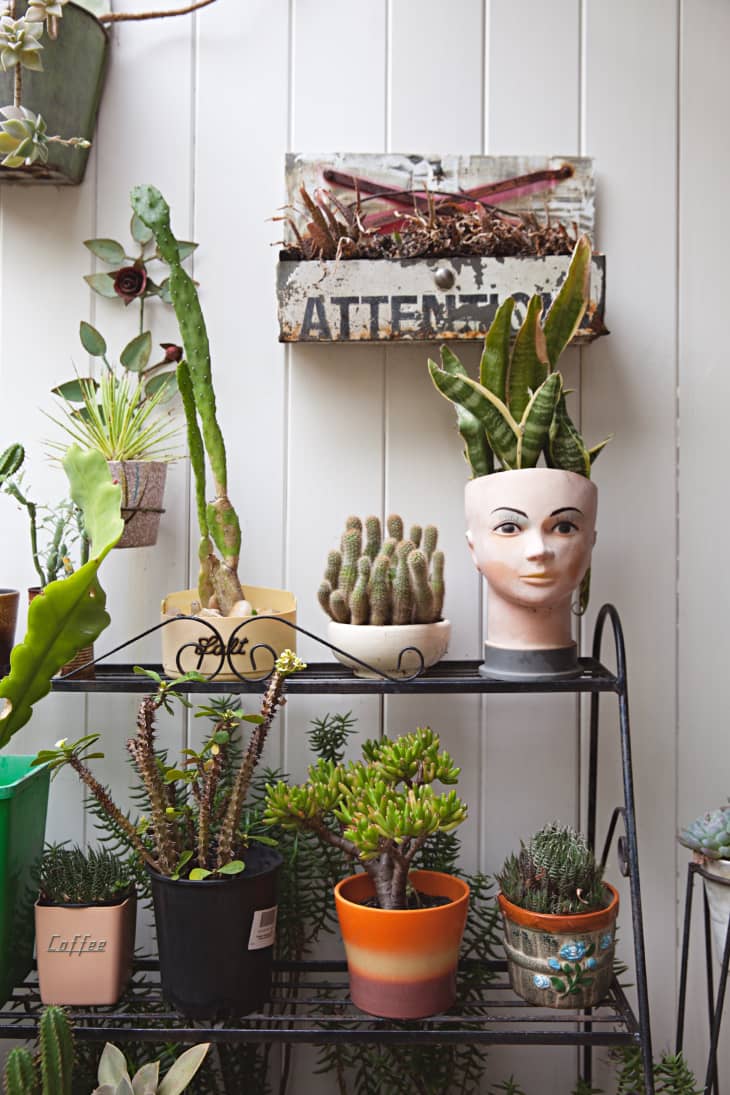
Image Credit: apartmenttherapy.com
Consider a Terrarium
A terrarium can be a great choice if you have very limited space.
These miniature indoor gardens use a glass container to create a small display of plants and natural materials. Depending on the design, you can create an open or enclosed terrarium.
They are also visually interesting because you can see the different layers of soil, stones and greenery.
Mix Different Textures
A beautiful indoor garden is not necessarily about having lots of different plants. Texture can make a small collection much more interesting.
Combine plants with large leaves with varieties that have smaller or trailing foliage. You can also use woven baskets, ceramic pots, wooden stands and natural stone to add visual variety.
Keeping the overall color palette relatively coordinated can prevent a small display from looking cluttered.
Don’t Forget Plant Care
A small indoor garden still needs regular attention.
Check your plants regularly rather than watering everything automatically on the same schedule. Soil can dry at different rates depending on the plant, pot and location.
Remove dead or damaged leaves when necessary, rotate plants occasionally if they are growing toward the light and check for signs of pests.
Most importantly, avoid overwatering. It is one of the easiest mistakes to make when caring for indoor plants.
Make Your Indoor Garden Part of Your Decor
Your plants do not have to look like they were simply placed around the house as an afterthought.
Choose planters that complement your existing decor. Neutral ceramic pots can work beautifully in minimalist interiors, while woven baskets can add warmth to more relaxed spaces.
You can also coordinate your plant stands, shelves and pots with the colors and materials already used in the room.
Give Your Plants Enough Space
Even a small indoor garden needs room to breathe.
Avoid squeezing too many plants onto one shelf or placing pots so close together that air cannot circulate properly. Some plants also grow considerably larger than they initially appear.
Think about the plant’s eventual size when deciding where to place it. A little planning now can save you from having to completely rearrange your indoor garden later.
Create a Calm Green Corner
Your indoor garden can become more than just a collection of plants. It can create a small area where you can relax, read, drink your morning coffee or simply take a break from a busy day.
Place a comfortable chair near your plants, add natural textures and keep the area relatively uncluttered. Even a small collection of greenery can change the atmosphere of a room.
Final Thoughts
Creating a small indoor garden does not require a large budget, a huge collection of plants or a dedicated room. Start with the space you already have and choose plants that can realistically thrive in your home’s conditions.
A few carefully selected plants, attractive containers and the right amount of natural light can be enough to transform an ordinary corner into something special.
HOLR has the latest home and lifestyle inspiration, and an indoor garden is a simple way to bring more greenery and personality into your everyday space. Start small, learn what works for you and let your garden grow naturally over time.
FAQs
What is the best place for a small indoor garden?
A bright windowsill, kitchen counter, shelf, plant stand or corner near a window can work well. The best location depends on the amount of natural light your chosen plants require.
What are some easy indoor plants for beginners?
Pothos, snake plants, spider plants and some philodendrons are popular options for beginners. Always check the specific care requirements before choosing a plant.
How many plants should I start with?
Three or four plants can be a good starting point for a small indoor garden. You can add more as you become comfortable caring for them.
What are the biggest stories trending online today? Read the latest here
Published by HOLR Magazine