


HOLR HIGHLIGHTS
The key details readers need to know.
- Researchers are developing blood tests capable of screening for multiple cancers through a single blood sample.
- Some tests claim they can detect signals associated with more than 50 different cancer types.
- Supporters believe the technology could revolutionize early cancer detection.
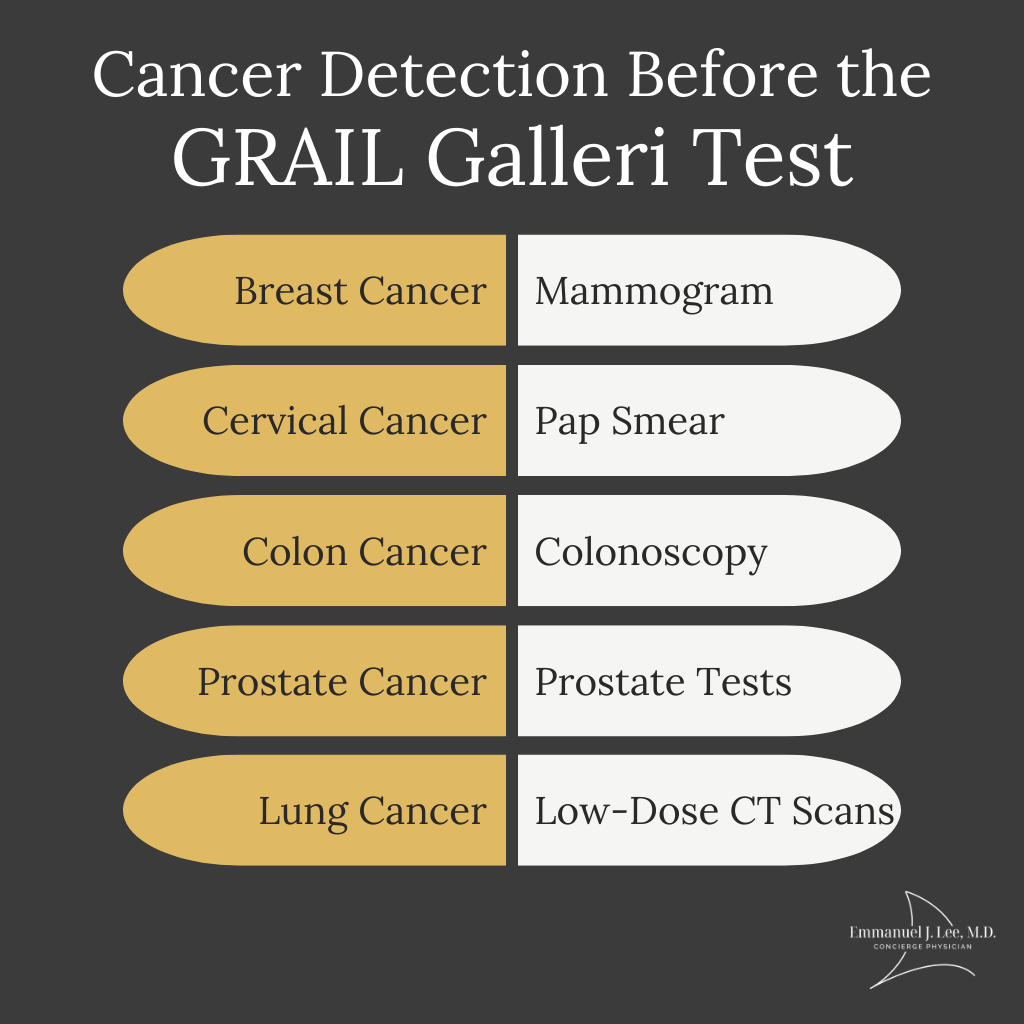
For decades, cancer screening has relied on a patchwork of individual tests.
Mammograms help detect breast cancer. Colonoscopies screen for colorectal cancer. Pap tests look for cervical cancer. In many cases, different cancers require entirely different screening methods.
conciergehealthaustin.com/grail-galleri/
But what if a single blood test could look for dozens of cancers at once?
That question is driving one of the most ambitious developments in modern medicine: multi-cancer early detection tests, often referred to as MCED tests.
Scientists believe these tests could transform how cancer is detected, potentially identifying dangerous cancers before symptoms appear and before the disease becomes harder to treat. While the technology remains under evaluation, researchers, healthcare systems, and biotechnology companies are investing heavily in what some believe could become the next major breakthrough in cancer screening.
What Is a Multi-Cancer Blood Test?
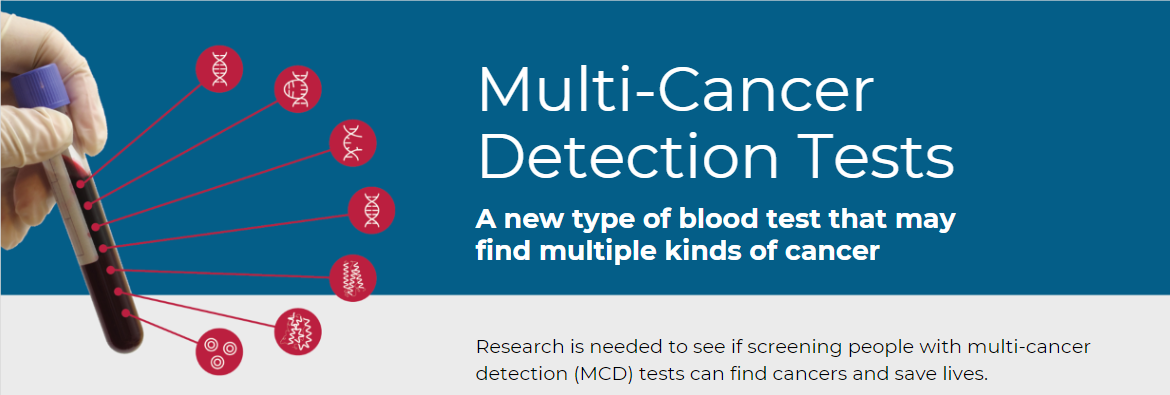
Unlike traditional screening methods that focus on one specific cancer, multi-cancer blood tests are designed to look for biological signals associated with many different cancer types at the same time.
Multi-Cancer Detection Tests – Fred Hutch
These tests typically analyze tiny fragments of DNA, RNA, proteins, or other biomarkers released into the bloodstream by cancer cells. By examining those signals, researchers hope to identify whether cancer may be present and, in some cases, where it may have originated in the body.
Some tests currently in development or commercial use claim to screen for more than 50 cancer types from a single blood draw. These include cancers that currently have no routine screening programs, such as pancreatic, liver, ovarian, and kidney cancers.
Why Are Scientists So Excited About This Technology?
One of the biggest challenges in cancer treatment is timing.
Many cancers are not discovered until symptoms appear, and by that point the disease may already be advanced. Researchers believe multi-cancer blood tests could help identify certain cancers much earlier, when treatment options are often more effective and survival rates may be higher.

The technology could be especially important for cancers that currently lack reliable screening tools.
Today, routine screening programs exist for only a limited number of cancers. Multi-cancer testing could potentially expand detection efforts far beyond those categories and help identify cancers that might otherwise remain hidden until later stages.
Which Tests Are Getting the Most Attention?
Several companies are racing to develop the next generation of cancer screening technology.
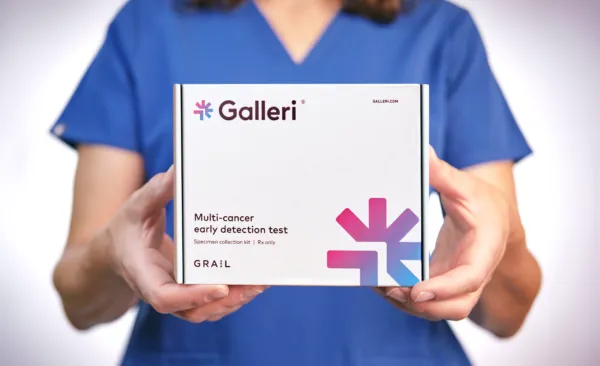
One of the most widely discussed tests is the Galleri test, which is designed to detect cancer signals associated with more than 50 different cancers through a single blood sample. Researchers have also been studying additional technologies, including Cancerguard and experimental university-developed systems that analyze DNA methylation patterns in the bloodstream.
galleri.com
In April 2026, UCLA researchers announced promising early results for a new blood-testing method called MethylScan, which demonstrated encouraging detection rates while maintaining high specificity in preliminary studies.
What Are the Concerns?
Despite the excitement, experts continue to stress that these tests are not perfect.
A positive result does not automatically mean someone has cancer, and a negative result does not guarantee that cancer is absent. Additional diagnostic testing is often required following an abnormal result.
Researchers are also evaluating concerns surrounding false positives, false negatives, overdiagnosis, and the possibility that some early-stage cancers may not release enough detectable genetic material into the bloodstream.

drugdiscoverynews.com
A major UK study involving more than 140,000 participants recently generated headlines after investigators reported that one large trial did not meet its primary objective of significantly reducing combined late-stage cancer diagnoses, highlighting why further research remains necessary.
Could These Tests Become Part of Annual Checkups?
Many experts believe blood-based cancer screening could eventually become a routine part of preventive healthcare.
Supporters argue that a simple blood draw may be easier for patients than multiple separate screening appointments, potentially increasing participation in cancer screening programs. Others caution that more evidence is needed before widespread adoption can occur.
:max_bytes(150000):strip_icc()/GettyImages-2197450656-d97ebcb4f3624d3195fdede424ca415e.jpg)
For now, most specialists emphasize that multi-cancer blood tests should be viewed as a complement to existing screening tools rather than a replacement for mammograms, colonoscopies, cervical cancer screening, and other established methods.
Why This Story Matters
The idea of detecting dozens of cancers from a single blood sample once sounded like science fiction.
Today, it is becoming a serious area of medical research.
Whether these tests ultimately transform healthcare or remain limited to specific high-risk groups, the technology is already reshaping conversations about the future of cancer detection. As clinical trials continue and new data emerges, multi-cancer blood tests could become one of the most important healthcare innovations of the next decade.
FAQs
What is a multi-cancer blood test?
A multi-cancer blood test is a screening tool designed to detect biological signals associated with multiple cancer types using a single blood sample.
Can one blood test detect all cancers?
No. Current tests do not detect every cancer and their effectiveness varies depending on cancer type and stage.
Is the Galleri test FDA approved?
The Galleri test is available in some settings, but it has not received full FDA approval as a population-wide screening tool.
Will multi-cancer blood tests replace traditional cancer screening?
Experts currently recommend using these tests alongside existing screening methods rather than replacing them.
Published by HOLR Magazine