


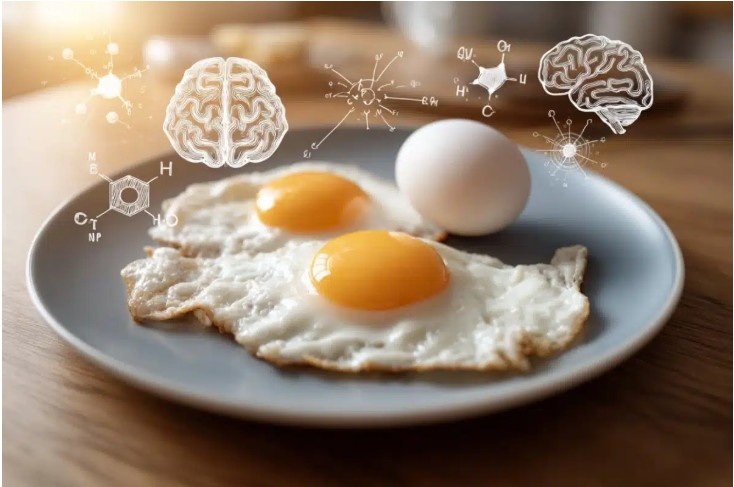
New research links higher egg intake with less decline in certain cognitive abilities among older women, while experts explain what the findings really mean.
What The New Research Found
August 17, 2026 – Eggs may deserve a little more attention at breakfast. New research has found an association between eating eggs and a lower rate of decline in certain measures of cognitive function among older women.
The study analyzed data from 890 adults over age 55 who participated in the long-running Rancho Bernardo Study. Researchers examined participants’ egg consumption alongside performance on tests measuring areas including executive function, language, recall and mental flexibility.
The results were particularly notable among women. Those who reported eating more eggs experienced less decline over time in fluency scores, which assess abilities connected with executive function and semantic memory, including the ability to recall words, concepts and numbers.
That does not mean eggs have been proven to prevent cognitive decline. The findings show an association, not a cause-and-effect relationship, which is an important distinction when interpreting nutrition research.
Credit: Shutterstock
Why Eggs Are Interesting For Brain Health
There is a nutritional reason eggs have attracted attention in conversations about cognitive health. They contain several nutrients involved in normal brain and nervous-system function, including choline, vitamin B12, lutein and zeaxanthin.
Choline is particularly noteworthy. Found in the egg yolk, it is used by the body to produce acetylcholine, a neurotransmitter involved in memory and learning.
Eggs also provide vitamin B12, which is important for healthy nerve cells, while lutein and zeaxanthin are antioxidants associated with protection against oxidative stress. These nutrients do not make eggs a treatment for cognitive decline, but they help explain why eggs can be part of a nutrient-dense diet.
The Study Focused On Older Adults
The research is especially relevant because cognitive changes become an increasing health consideration with age. The participants in this analysis were all over 55, allowing researchers to examine dietary habits alongside changes in cognitive performance later in life.
However, the study should still be interpreted carefully. Participants reported their dietary habits, and researchers observed patterns rather than assigning people to eat specific amounts of eggs. That means other lifestyle or dietary factors could also have contributed to the differences seen between participants.
The findings therefore add to the broader conversation around nutrition and healthy aging rather than establishing eggs as a stand-alone strategy for protecting the brain.
Choline May Be One Piece Of The Puzzle
Choline is one of the nutrients that makes eggs particularly interesting from a brain-health perspective. The body needs it for several important functions, and it contributes to the production of acetylcholine, which plays a role in memory and learning.
Experts also point to the potential importance of other nutrients found in eggs. Vitamin B12 supports nerve-cell health, while lutein and zeaxanthin have antioxidant properties. Eggs additionally provide protein and fat, making them a filling food that can fit easily into a balanced meal.
Still, it is more accurate to think of eggs as one nutritious food within an overall eating pattern rather than a specific food that can prevent cognitive problems.

What This Means For Your Breakfast
For most people, incorporating eggs into meals can be a simple way to add high-quality protein and important nutrients. Boiled, scrambled or poached eggs can be paired with vegetables, whole grains, avocado or fruit to create a more balanced meal.
They can also be useful beyond breakfast. Hard-boiled eggs are an easy snack, while chopped eggs can add protein to salads or grain bowls.
The bigger takeaway is consistency. A single food is unlikely to determine long-term cognitive health on its own, but nutrient-rich foods can contribute to an overall dietary pattern that supports healthy aging.
Eggs Are Not A Magic Brain-Health Food
It is tempting to interpret research like this as a reason to dramatically increase egg consumption, but that would go beyond what the study actually demonstrates.
The researchers observed that greater egg consumption was associated with a smaller decline in certain fluency scores among women. They did not establish that eating eggs directly prevented cognitive decline.
That distinction matters because observational studies can identify relationships without proving why those relationships exist. A person’s overall diet, physical activity, sleep, cardiovascular health and other lifestyle factors may also influence cognitive health.
For now, eggs can reasonably be viewed as one nutritious option within a varied diet—not a shortcut to preventing age-related cognitive changes.
How Eggs Fit Into A Brain-Healthy Diet
While eggs may offer several nutrients relevant to brain function, healthy aging is not about relying on one food. A broader eating pattern that includes vegetables, fruits, whole grains, legumes, nuts and seeds, fish or other protein sources can provide a much wider range of nutrients.
Eggs can fit comfortably into that picture. Pairing them with vegetables and whole grains, for example, can turn a simple egg-based meal into something more nutritionally complete. For people who eat eggs regularly, variety across the rest of the diet remains just as important.
Other everyday habits matter, too. Staying physically active, getting adequate sleep, maintaining social connections and managing cardiovascular risk factors can all contribute to healthy aging and overall brain health.

What The Findings Really Mean
The new research adds to growing interest in the relationship between everyday nutrition and cognitive aging, but it should not be interpreted as proof that eggs prevent dementia or other neurological conditions.
The researchers found a connection between egg consumption and changes in specific cognitive measures, particularly among women. That is an interesting finding, but further research is needed to understand why the association appeared and whether the relationship holds across different populations.
For now, there is no need to view eggs as either a miracle food or something to avoid solely because of concerns about aging. For people who enjoy them and can include them as part of their usual eating pattern, eggs can provide protein and several useful nutrients.
The simplest takeaway may be to focus less on one food and more on the overall quality of your diet. A balanced pattern built around a variety of nutrient-dense foods is a more reliable foundation for long-term health.
Final Thoughts
The latest research offers an interesting reason to take another look at eggs, particularly when it comes to healthy cognitive aging. Among older women in the study, higher egg consumption was associated with less decline in certain measures of verbal fluency.
But an association is not proof of cause and effect. Eggs should not be viewed as a treatment or guaranteed protection against cognitive decline.
Instead, they can be one convenient source of protein and nutrients such as choline, vitamin B12, lutein and zeaxanthin within a balanced diet. If you already enjoy eggs, incorporating them alongside vegetables, whole grains and other nutrient-rich foods can be a simple part of an overall healthy eating pattern.
FAQs
Can eating eggs prevent cognitive decline?
No. The research found an association between egg consumption and less decline in certain cognitive measures among older women, but it did not prove that eggs prevent cognitive decline.
Why might eggs be beneficial for brain health?
Eggs contain nutrients including choline, vitamin B12, lutein and zeaxanthin. Choline is involved in producing acetylcholine, a neurotransmitter important for functions such as memory and learning.
Which nutrients in eggs are important for the brain?
Choline and vitamin B12 are particularly relevant to normal nervous-system function, while lutein and zeaxanthin have antioxidant properties. Eggs also provide high-quality protein.
Should I eat more eggs because of this research?
There is no need to dramatically change your egg intake based on one observational study. Eggs can be part of a balanced diet, but overall dietary quality and lifestyle habits are more important than any single food.
What else can support healthy cognitive aging?
A varied nutrient-rich diet, regular physical activity, adequate sleep and attention to overall cardiovascular health can all contribute to healthy aging. Cognitive health is influenced by many factors rather than one particular food.
Published by HOLR Magazine