


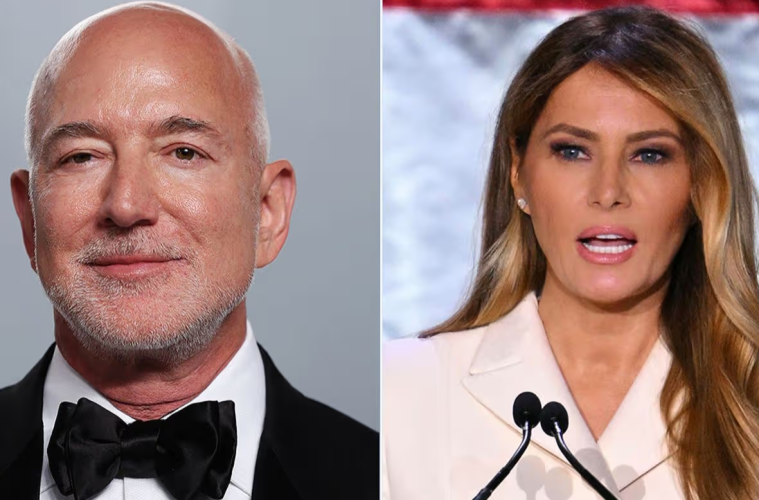
Activists call out billionaire influence and political links
Protest movement targets Jeff Bezos’ involvement
April 24, 2026 – Protest organizers have intensified criticism of Jeff Bezos ahead of the 2026 Met Gala, accusing the billionaire of using cultural platforms to expand influence while aligning with controversial political figures. Demonstrations and boycott campaigns have emerged across New York City, reflecting growing unrest around the event’s sponsorship and leadership.
The backlash comes as Bezos, alongside Lauren Sánchez, plays a major role as a sponsor and honorary chair of this year’s gala—one of fashion’s most high-profile and exclusive events.

Image Credit: Getty Images
Protesters criticize ties to Melania Trump
A key point of contention among activists is Bezos’ perceived proximity to Melania Trump and her political circle. Organizers argue that such associations blur the lines between cultural institutions and political influence, particularly in a year already marked by heightened political tensions.
While specific relationships and interactions vary, critics frame the issue as part of a broader concern about billionaires maintaining influence across both cultural and political spaces. The criticism reflects unease about how power is exercised beyond traditional business domains.
“Boycott the Bezos Met Gala” campaign grows
Activist groups have launched visible campaigns across the city, including posters and public messaging calling for a boycott of the Met Gala. These materials criticize Bezos’ role and highlight broader concerns about wealth inequality and corporate practices.
Some messaging specifically accuses Bezos of leveraging the gala—a major fundraising event for the Metropolitan Museum of Art—as a platform to enhance his public image while avoiding accountability on labor and political issues.
The campaign has gained traction online, with social media amplifying calls for protest and increasing visibility around the controversy.
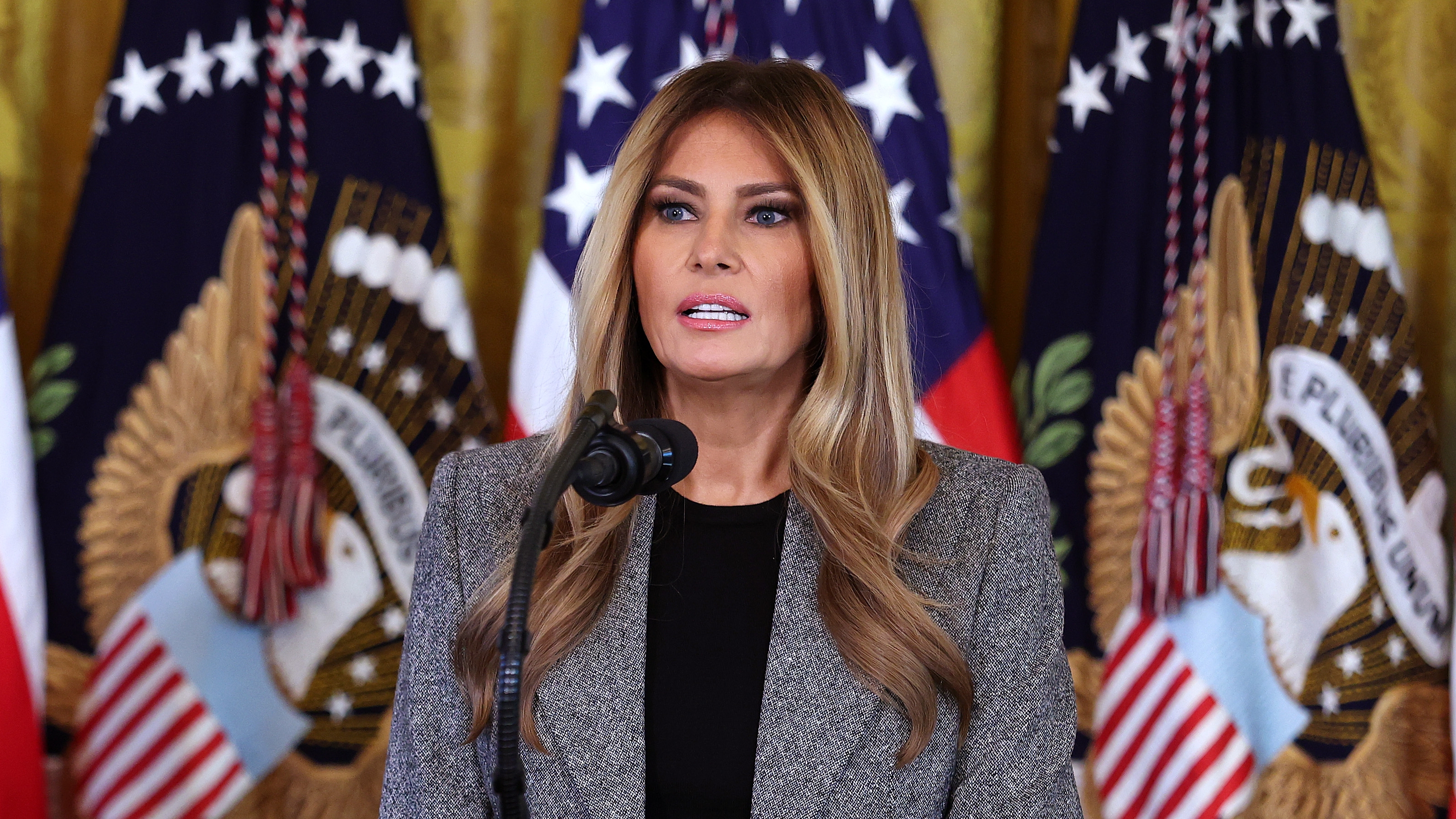
Image Credit: Anna Moneymaker/Getty Images
Wider backlash over billionaire influence
The criticism extends beyond individual associations to a broader frustration with the role of billionaires in shaping cultural institutions. Activists argue that events like the Met Gala, once centered on fashion and art, are increasingly influenced by corporate wealth and elite power structures.
Reports indicate that the 2026 gala has already drawn protests specifically targeting Bezos’ involvement, with critics highlighting issues such as labor practices and economic inequality.
This framing positions the backlash as part of a larger movement questioning the concentration of influence among a small group of ultra-wealthy individuals.
A changing perception of the Met Gala
The Met Gala has long been viewed as a celebration of creativity, celebrity, and high fashion. However, recent controversies suggest a shift in how the event is perceived, with increasing attention on its financial backing and guest list dynamics.
Activists argue that the gala now represents a convergence of wealth, influence, and exclusivity that contrasts sharply with broader social and economic realities. This perception has fueled calls for reform—or even boycott—of the event.

Image Credit: Getty Images
Political undertones shape public reaction
The involvement of figures connected to political circles, including Melania Trump, has added another layer to the controversy. In an already polarized environment, such associations can amplify criticism and shape public discourse.
For protest organizers, the issue is not limited to individual relationships but reflects concerns about how cultural platforms intersect with political influence.
Divided reactions across audiences
Public response to the protests has been mixed. Some support the activists’ stance, viewing it as a necessary challenge to concentrated power and influence. Others see the backlash as an expected reaction to a high-profile event that has always attracted scrutiny.
Despite differing opinions, the controversy has ensured that the 2026 Met Gala is not just a fashion event but also a focal point for broader social and political discussions.

Image Credit: Getty Images
What this means for the 2026 gala
As the event approaches, the protests are likely to remain a prominent part of the conversation. Organizers have indicated that demonstrations will continue, potentially shaping how the gala is experienced both in person and online.
The situation highlights the evolving role of cultural events in a world where visibility and influence extend far beyond their original purpose.
Final Thoughts
The backlash against Jeff Bezos and his association with figures like Melania Trump underscores a growing tension between cultural celebration and political scrutiny. As the Met Gala continues to evolve, it increasingly reflects broader debates about power, influence, and accountability.
What was once purely a night of fashion now stands at the intersection of culture, politics, and public opinion—making this year’s gala one of the most closely watched in recent memory.
FAQs
Q1: Why are protesters targeting Jeff Bezos?
They criticize his role in sponsoring the Met Gala and broader issues like wealth and influence.
Q2: What is the connection to Melania Trump?
Activists claim Bezos has ties to her political circle, raising concerns about influence.
Q3: What are protesters calling for?
Some are urging a boycott of the Met Gala.
Q4: What is Jeff Bezos’ role in the event?
He is a major sponsor and honorary chair.
Q5: Why is this controversy significant?
It highlights growing scrutiny of billionaire influence in cultural institutions.
Published by HOLR Magazine