


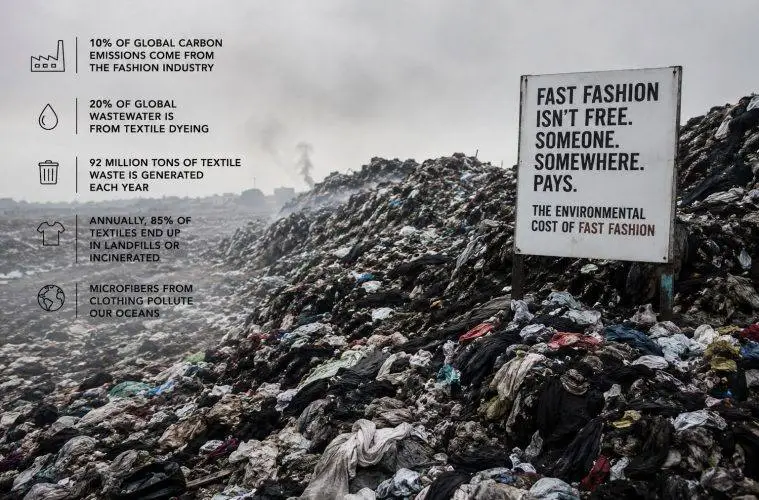
Fast fashion makes trendy clothing affordable, but its environmental impact comes with a hidden cost.
What Is Fast Fashion?
June 24, 2026 : Fast fashion refers to the rapid production of inexpensive clothing designed to replicate the latest fashion trends.
Brands produce large quantities of garments at high speed, allowing consumers to purchase trendy items at relatively low prices. New collections often appear weekly, encouraging shoppers to buy more frequently than ever before.
While this model has made fashion accessible to millions of people, it has also created serious environmental challenges.
Why Is Fast Fashion Harmful to the Environment?
The environmental impact of fast fashion begins long before a garment reaches a store.
From growing raw materials to manufacturing, transportation, and disposal, clothing production requires enormous amounts of water, energy, and natural resources.
Because fast fashion prioritizes speed and volume, environmental considerations are often overlooked.
As a result, the industry has become one of the world’s largest contributors to pollution and waste.
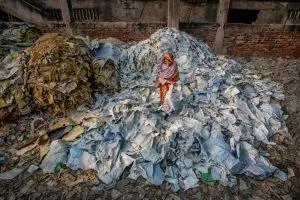
Image credit : Earth.Org
The Water Crisis Behind Your Clothes
One of the biggest environmental concerns linked to fast fashion is water consumption.
Cotton production requires vast quantities of water. A single cotton T-shirt can require thousands of liters of water throughout its production process.
In regions already facing water shortages, intensive textile production places additional pressure on local communities and ecosystems.
Furthermore, textile dyeing processes often contaminate rivers and waterways with chemicals that are harmful to both wildlife and human health.
The result is a growing global water crisis connected to clothing production.
Textile Waste Is Growing Rapidly
Modern consumers purchase more clothing than previous generations.
However, many garments are worn only a few times before being discarded.
Because fast fashion encourages constant consumption, millions of tons of clothing end up in landfills every year.
Many fabrics contain synthetic materials that do not decompose easily. Instead, they remain in the environment for decades or even centuries.
As landfills continue to expand, textile waste has become one of the industry’s most visible environmental problems.
The Carbon Footprint of Fast Fashion
Climate change is another major concern.
The fashion industry relies heavily on manufacturing facilities, transportation networks, and energy-intensive production methods.
Raw materials may be sourced in one country, manufactured in another, and sold worldwide.
Each stage generates greenhouse gas emissions.
When multiplied across billions of garments produced annually, the environmental impact becomes enormous.
Many environmental experts now identify fashion as a significant contributor to global carbon emissions.
The Microplastic Problem
Many popular clothing items contain polyester, nylon, acrylic, and other synthetic fibers.
While these materials are affordable and durable, they create another environmental challenge.
Each time synthetic garments are washed, tiny plastic particles known as microplastics can enter waterways.
Eventually, these particles reach rivers, lakes, and oceans.
Marine life often mistakes microplastics for food, causing harm to ecosystems and potentially entering the human food chain.
This issue has become one of the most concerning environmental consequences of modern clothing production.
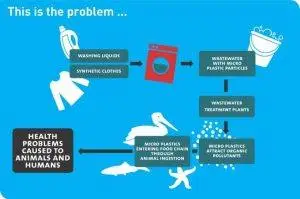
Image credit : Panexplore Sailing
How Fast Fashion Affects Wildlife
Environmental damage caused by the fashion industry extends beyond pollution.
Deforestation, water contamination, and waste disposal can destroy habitats and threaten biodiversity.
Animals living near polluted waterways may be exposed to harmful chemicals.
Marine species are particularly vulnerable to textile-related pollution and microplastics.
As environmental degradation increases, wildlife populations face additional pressure in already fragile ecosystems.
Why Consumers Play an Important Role
Although major fashion brands influence production practices, consumers also have the power to drive change.
Purchasing habits directly affect demand.
When consumers choose quality over quantity, clothing tends to remain in use longer.
Buying fewer items, repairing damaged garments, and supporting sustainable brands can reduce environmental impact.
Small individual actions may seem insignificant, but collective consumer behavior can influence industry-wide changes.

Image credit : AI generated
The Rise of Sustainable Fashion
As awareness grows, sustainable fashion has gained momentum.
Many brands are investing in eco-friendly materials, ethical manufacturing practices, and circular fashion initiatives.
Some companies now offer clothing recycling programs, resale platforms, and repair services.
Consumers are increasingly interested in transparency and sustainability.
This shift suggests that environmental concerns are becoming an important factor in purchasing decisions.
While challenges remain, sustainable fashion represents a promising alternative to the traditional fast fashion model.
Can Fast Fashion Become More Sustainable?
The future of fashion depends on innovation, regulation, and consumer awareness.
Advances in textile technology may reduce water usage and pollution.
Governments may introduce stricter environmental standards.
Meanwhile, brands face growing pressure to improve transparency and sustainability practices.
Although complete transformation will take time, many experts believe the industry can reduce its environmental footprint through meaningful reforms.
What You Can Do Today
Consumers do not need to completely stop buying clothing to make a difference.
Instead, they can make more conscious choices.
Shopping secondhand, supporting sustainable brands, choosing durable garments, and avoiding impulse purchases can all help reduce environmental harm.
Even extending the life of clothing by a few extra months can significantly reduce its overall environmental impact.
The goal is not perfection but progress.
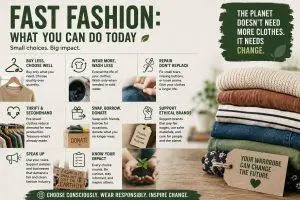
Image credit : AI generated
Fact vs. Speculation
Confirmed Facts
Fast fashion contributes significantly to textile waste.
Clothing production requires substantial amounts of water and energy. Synthetic fabrics release microplastics into the environment. The fashion industry generates greenhouse gas emissions.
Textile dyeing can contribute to water pollution.
Speculation
How quickly the fashion industry will transition to sustainable practices. Whether future regulations will significantly reduce environmental damage.
The long-term effectiveness of emerging sustainable technologies.
How consumer behavior may change over the next decade.
Final Thoughts
Fast fashion has reshaped the global clothing industry, offering affordability and convenience to consumers around the world.
However, the environmental costs associated with rapid production and consumption are becoming increasingly difficult to ignore.
From water pollution and textile waste to carbon emissions and microplastic contamination, the industry’s impact extends far beyond clothing stores.
As awareness grows, both consumers and brands have an opportunity to support more sustainable practices.
The future of fashion may ultimately depend on balancing style, affordability, and environmental responsibility.
FAQs
What is fast fashion?
Fast fashion is the rapid production of inexpensive clothing designed to follow current trends.
Why is fast fashion bad for the environment?
It contributes to pollution, waste, excessive water use, carbon emissions, and microplastic contamination.
How does fast fashion create waste?
Many garments are worn only a few times before being discarded, leading to large amounts of textile waste.
What are microplastics?
Microplastics are tiny plastic particles released from synthetic fabrics during washing.
Can consumers reduce the impact of fast fashion?
Yes. Buying less, choosing quality garments, repairing clothes, and supporting sustainable brands can help.
What is sustainable fashion?
Sustainable fashion focuses on environmentally responsible materials, ethical production, and reducing waste.
Is fast fashion contributing to climate change?
Yes. Clothing production and transportation generate greenhouse gas emissions that contribute to climate change.
What is the future of sustainable fashion?
Many experts expect increased innovation, consumer demand, and regulations aimed at reducing environmental harm.
Published by HOLR Magazine