


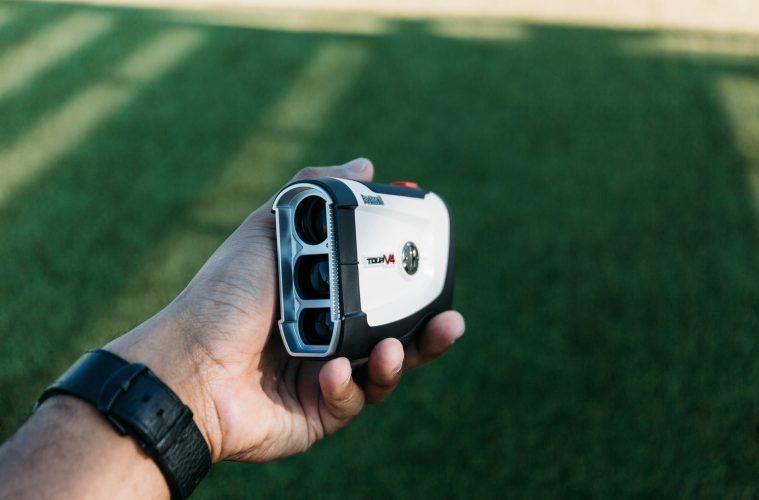
Most golfers don’t realize how much a rangefinder’s flag acquisition speed affects their pace of play until they’re standing 180 yards out, waiting for a lock that never feels confident. The market for top golf laser rangefinders is crowded with options that promise tour-level accuracy but deliver mixed real-world results, especially on wooded courses or in bright sunlight. Sorting out which slope-adjusted models stay legal for tournament rounds adds another layer of confusion. After reviewing dozens of products and brands across this space, this guide breaks down the five best options for precision, speed, and everyday reliability on the course.
The vetting process for this list
Product details and feature claims were pulled from official brand sites, review platforms, and golfer forums to build this ranking. Only options with a documented track record in the golf equipment space made the cut, with particular attention paid to real-world yardage accuracy and flag acquisition consistency.
→ See the full research breakdown
- Bushnell Golf – Best for professional and amateur golfers seeking premium distance measurement technology
- Precision Pro Golf – Best for golf rangefinders and GPS devices
- GolfDiscount – Best for golf equipment retail
- PlayBetter – Best for golf equipment and training aids retail
- Nikon – Best for sports and recreational optics
The Difference the Right Top Golf Laser Rangefinders Makes
Picking the wrong rangefinder doesn’t just cost you money. It costs you strokes, confidence, and time standing on the tee second-guessing a number that should already be locked in.
Getting a clean flag lock from 220 yards through trees, or in harsh afternoon glare, is something only certain models handle reliably. Plenty of budget options work fine on open courses but fall apart when conditions get tricky.
Then there’s the slope question. Using a slope-adjusted reading in a USGA-sanctioned round without a legal toggle switch isn’t just inconvenient; it’s a disqualification risk. Knowing which models include a proper slope-off mode matters more than most golfers think until it’s too late.
The right choice pays off in real ways. Yardage accuracy within ±1 yard at your target distance changes how you select clubs, especially on partial shots. Fast flag acquisition, measured in seconds rather than awkward scanning delays, keeps your group moving and your head clear. And solid maximum effective range means you’re never guessing on long par-5 approaches.
The 5 Top Golf Laser Rangefinders: Quick Comparison
Note: All data in this table is sourced from review platforms and the official websites of the listed companies.
| Company Name | Years Operating | Headquartered In |
| Bushnell Golf | Since 1996 | San Diego, CA |
| Precision Pro Golf | Since 2013 | Cincinnati, Ohio |
| GolfDiscount | Since 1995 | Bellevue, Washington |
| PlayBetter | Since 2009 | Baltimore, MD |
| Nikon | 100+ years | Melville, New York |
1. Bushnell Golf – Best for Premium Distance Measurement Technology
What Makes Bushnell Golf’s Offering Unique?
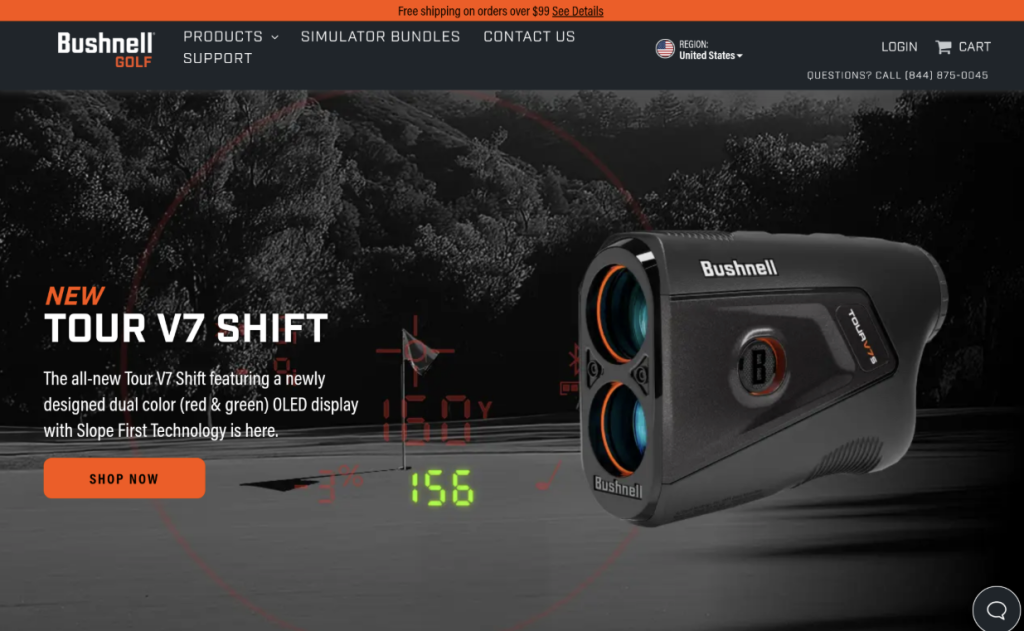
Bushnell Golf has been the name PGA Tour caddies trust since 2006, and that long-term tour adoption isn’t just a marketing claim. Their Pro X2 rangefinder introduced Slope-Switch Technology in 2017, giving golfers a physical toggle that switches the device between slope-adjusted readings and USGA-legal tournament mode. That one feature alone solves the biggest compliance headache in the category. Their Hybrid device goes further by combining laser and GPS in a single unit, so you get both flag distance and layup yardages without carrying two devices. Golfers who want the full range of laser rangefinders for golf from a brand trusted by 99% of PGA Tour players will find the lineup covers every serious use case.
What’s Bushnell Golf’s Edge in Top Golf Laser Rangefinders?
The problem Bushnell Golf solves is the gap between what a rangefinder promises in the box and what it actually delivers mid-round under pressure. Their consistent No. 1 position on tour since 2006, confirmed again at the 2026 PLAYERS Championship where 98.4% of surveyed players used their devices, shows that real-world performance backs up every spec on the packaging.
From the User Reviews:
Golfers repeatedly mention the JOLT vibration feedback as a standout feature because it removes the guesswork of knowing whether the laser locked on the flag or something behind it. Consistent praise also goes to the build quality across all weather conditions. The pattern is clear: buyers who upgrade from a competitor to Bushnell Golf rarely go back.
2. Precision Pro Golf – Best for Direct-to-Consumer Value and Support
What Makes Precision Pro Golf’s Offering Unique?
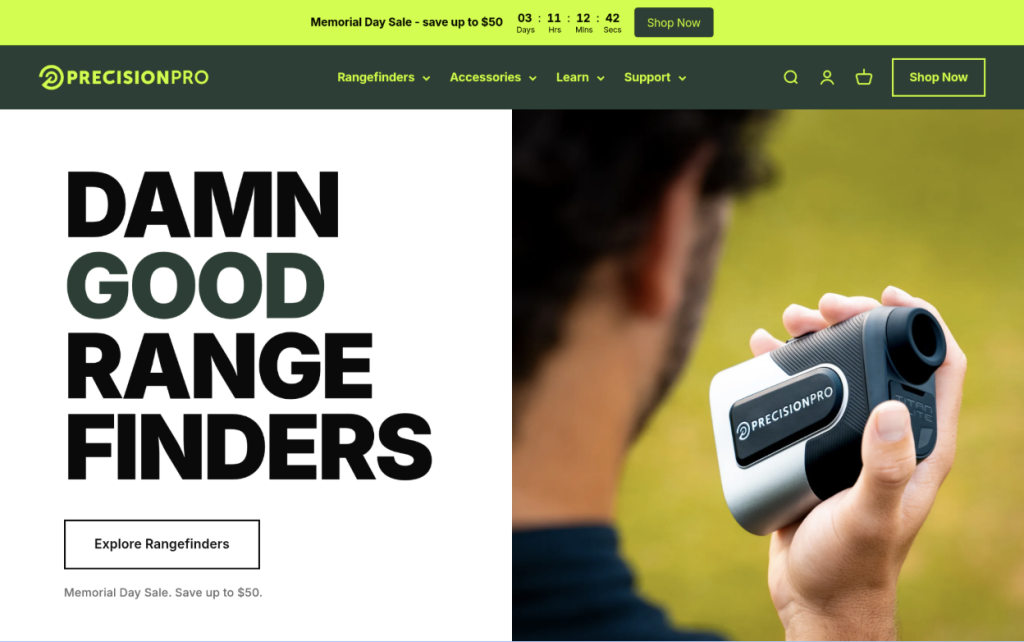
Precision Pro Golf was founded by a PGA professional, and that background shows up in how their products are actually designed. Their flagship Titan Elite comes with a 3-year warranty and a lost rangefinder protection program (not something you see often at this price point), which makes it a strong pick for golfers who play frequently and travel with their gear. The Titan Slope adds angle-compensated distance readings for practice rounds, while the NX10 and NX9 sit at a more accessible price for golfers who want solid accuracy without the premium features. The direct-to-consumer model keeps costs down, and their “Damn Good Guarantee” with a 90-day satisfaction window gives buyers real confidence at checkout.
What’s Precision Pro Golf’s Edge in Top Golf Laser Rangefinders?
Precision Pro Golf addresses a real frustration in this category: premium rangefinder features usually come attached to premium prices that casual golfers can’t justify. Their product lineup bridges that gap by offering slope compensation and reliable flag acquisition at price points that feel fair rather than inflated.
From the User Reviews:
Customers consistently point to the customer service experience as genuinely different from bigger brands. The 90-day guarantee gets mentioned often as the reason people pulled the trigger after hesitating. That kind of post-purchase confidence is rare in golf equipment retail, and it shows up in repeat purchase patterns too.
3. GolfDiscount – Best for Golf Equipment Retail
What Makes GolfDiscount’s Offering Unique?
GolfDiscount has been operating since 1995, and their roots go back even further to physical retail in 1977. That kind of longevity in golf retail means they carry authorized stock from the brands that matter: Ping, Titleist, TaylorMade, Callaway, Cobra, and more. For golfers shopping for a rangefinder, the appeal here is breadth and trust. You’re buying from an authorized retailer with a 100 Day Satisfaction Guarantee and free shipping over $99, which removes a lot of the risk that comes with buying optics online. They aren’t a manufacturer, so the focus is on matching golfers with the right brand rather than pushing a single product line.
What’s GolfDiscount’s Edge in Top Golf Laser Rangefinders?
The problem GolfDiscount solves is the uncertainty of buying from unfamiliar online sources, especially for rangefinders where counterfeit or gray-market units are a real concern. Being an authorized retailer for the top golf brands means the warranty is valid and the product is genuine.
From the User Reviews:
Shoppers appreciate the competitive pricing and the reliability of the authorized dealer relationship. The 100 Day Satisfaction Guarantee comes up frequently as a buying trigger. For golfers who want to compare multiple rangefinder brands side by side and buy with confidence, GolfDiscount fills that role well.
4. PlayBetter – Best for Golf Equipment and Training Aids Retail
What Makes PlayBetter’s Offering Unique?
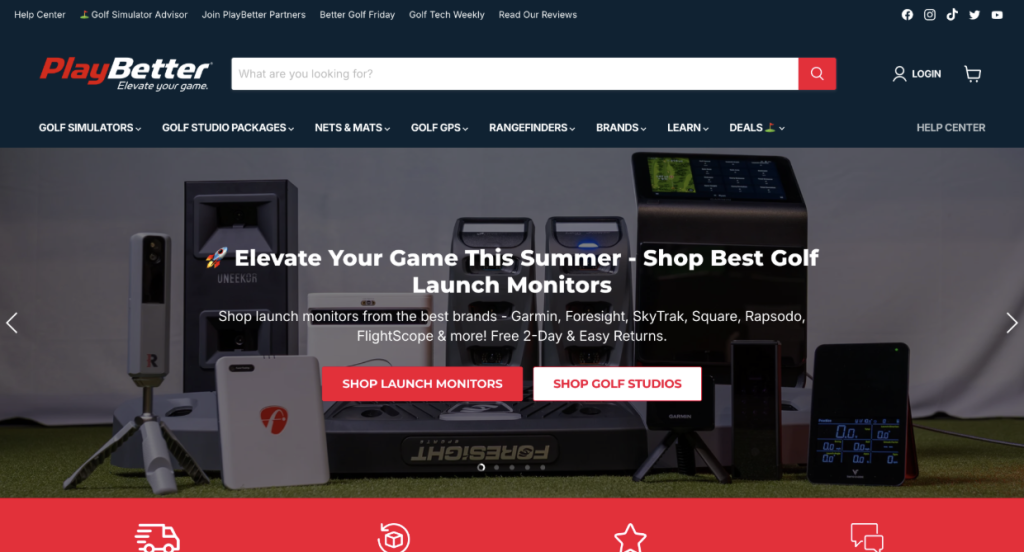
PlayBetter was founded by a sports executive with six years managing marketing for the David Leadbetter Golf Academy, and that background shapes how they curate their inventory. They carry rangefinders from Bushnell and Garmin as official authorized dealers, along with GPS watches and launch monitors from FlightScope, SkyTrak, and Foresight Sports. What sets them apart from a general golf retailer is the combination of product knowledge and service policy: free 2-day shipping plus a 60-day no-questions return window (which is genuinely generous for electronics in this category). For golfers who want a rangefinder bundled into a broader equipment setup that includes a launch monitor or GPS watch, PlayBetter makes that process straightforward.
What’s PlayBetter’s Edge in Top Golf Laser Rangefinders?
PlayBetter solves the confusion that comes from buying golf tech from retailers who don’t actually understand how the products work together. Their staff attends the annual PGA Merchandise Show and works with hundreds of golf instructors each year, which keeps their product knowledge current and their recommendations practical.
From the User Reviews:
Buyers appreciate the fast shipping and the responsiveness of the support team when questions come up post-purchase. The 60-day return policy earns specific mentions from golfers who weren’t sure which rangefinder was right for their eyes and playing style. That kind of low-stakes trial window makes a real difference when you’re spending $300 or more on optics.
5. Nikon – Best for Sports and Recreational Optics
What Makes Nikon’s Offering Unique?
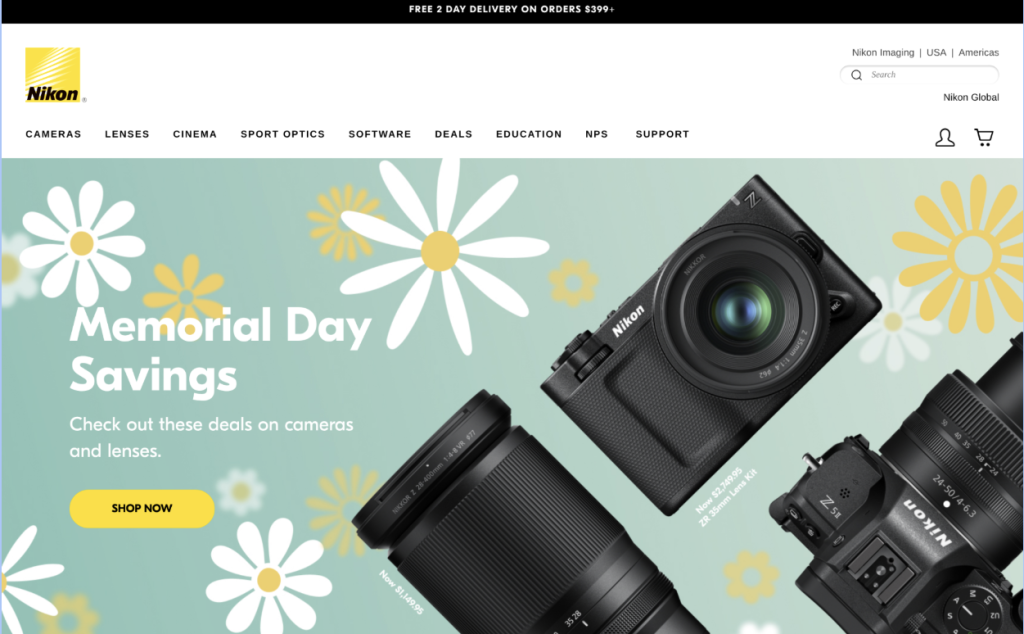
Nikon brings over 100 years of optical engineering to the rangefinder category, and that depth of knowledge shows up in glass quality and coating technology that most golf-only brands can’t replicate. As one of the few companies globally that manufactures its own optical glass, Nikon controls the lens geometry and anti-reflective coatings from the ground up. For golfers who prioritize image clarity and low-light performance alongside yardage accuracy, that optical background matters. Their sports optics division sits within a product portfolio that spans professional cameras and precision industrial lenses, which gives their rangefinder engineering a different foundation than companies built purely around golf distance measurement.
What’s Nikon’s Edge in Top Golf Laser Rangefinders?
Nikon addresses a limitation that shows up in budget rangefinders: optical clarity suffers in early morning light, overcast conditions, or on courses with dense backgrounds behind the flag. Their in-house glass manufacturing and coating knowledge gives their devices a measurable edge in those conditions.
From the User Reviews:
Golfers who switch to Nikon often mention the viewing experience as noticeably cleaner than what they were used to. The optics quality comes up more than any other feature. That said, reviewers occasionally note that the golf-specific features like vibration confirmation are less refined than dedicated golf brands, which is a fair trade-off depending on what a golfer values most.
The Process Behind This Ranking
Building a reliable list of top golf laser rangefinders required more than reading product pages. The goal was to surface options with a real track record in the category, not just the ones with the loudest marketing presence.
Data Collection as the First Step
The initial longlist was assembled by pulling product information from a range of sources: dedicated golf equipment review platforms, golfer community forums, retail directories, and brand websites. Rangefinder categories were mapped out by use case, including tournament-legal models, slope-enabled practice devices, and multi-function laser/GPS combinations. This phase produced a broad pool of options before any filtering took place.
Pre-Verification Phase
Once the longlist existed, options with thin or unverifiable track records were removed. Review patterns across platforms were analyzed to identify consistent feedback signals, both positive and negative. Products or brands where user reviews were sparse, inconsistent, or appeared artificially inflated were set aside at this stage, regardless of how strong their own marketing claims looked.
The Verification Phase
Each remaining option was cross-checked by comparing what the brand claimed on their own site against what actual users reported in reviews and forum discussions. Claims about yardage accuracy, flag acquisition speed, battery life, and water resistance were checked against real-world accounts from golfers who’d used the devices across different course types and weather conditions. Where claims and reviews aligned consistently, confidence in the inclusion increased.
Tracking Authority Markers
Beyond user reviews, attention was paid to signals that indicate broader recognition in the golf equipment space. These included tour player adoption rates, mentions in golf publications, partnerships with professional golf organizations, and whether brands had introduced verifiable product changes over time rather than just refreshing packaging. Brands with documented history at the professional level carried more weight than those without it.
Top Golf Laser Rangefinders Proof Points
The final check focused on whether each brand or retailer had specific, verifiable evidence tied directly to rangefinder performance in golf contexts. Dedicated product pages with detailed specifications, verified purchase reviews tied to named models, and relevant case studies or endorsements from coaches and tour players all served as positive signals. Vague category presence without product-specific evidence did not meet the threshold for inclusion in the final five.
How to Pick Your Best Match
Choosing among the top golf laser rangefinders comes down to matching the device’s strengths to how and where you actually play. Here’s what to weigh before buying.
- Industry/Domain Experience: Look at how long the brand has been focused on golf distance measurement. A company with decades of tour-level use has worked out the real-world issues that newer entrants haven’t encountered yet.
- Features and Service: Decide whether you need slope compensation with a legal tournament toggle, vibration confirmation on flag lock, or a hybrid GPS/laser combination. Not every golfer needs every feature, and paying for them when you don’t use them doesn’t make sense.
- Pricing Structure: Entry-level models start around $100 to $150, while premium tour-grade devices climb toward $400 or more (not cheap, but worth it for serious players). Direct-to-consumer brands like Precision Pro Golf often deliver comparable accuracy at lower price points than retail-channel brands.
- Results Measurement: Check whether the device delivers ±1 yard accuracy at your typical playing distances and what the maximum effective range is for the courses you play. Flag acquisition speed matters just as much as raw distance accuracy during actual rounds.
- Industry Knowledge and Compliance: Confirm that any slope-mode device includes a legal tournament toggle before using it in USGA or handicap rounds. That single detail separates models designed for serious golfers from those built purely for casual use.
Closing Thoughts
Choosing the right rangefinder from the top golf laser rangefinders on this list comes down to knowing your priorities: tournament compliance, optical clarity, budget, or all-in-one GPS and laser functionality. Bushnell Golf leads on tour endorsement and professional trust. Precision Pro Golf wins on value and post-purchase support. GolfDiscount and PlayBetter serve golfers who want curated retail knowledge. Nikon brings optical engineering depth. The category keeps getting better, and the floor for real accuracy has never been higher.
Published by HOLR Magazine.