


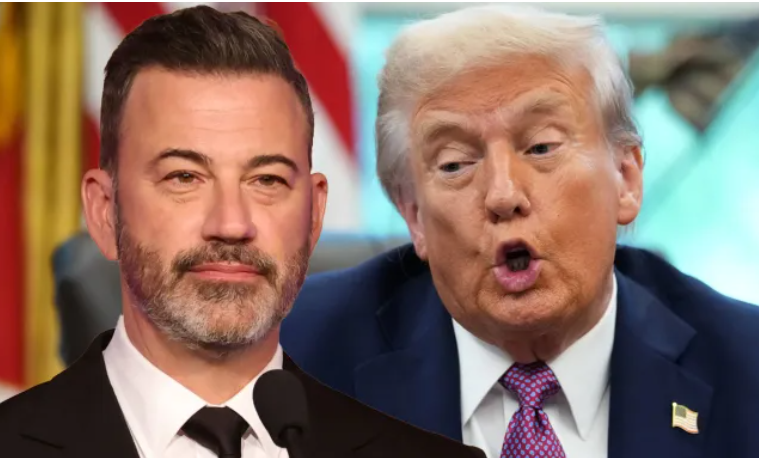
Political pressure resurfaces as media, satire, and regulation collide
Trump Renews Call Against Jimmy Kimmel
April 30, 2026 – Donald Trump has again called on ABC to fire late-night host Jimmy Kimmel, reigniting a controversy that sits at the intersection of politics and entertainment. His remarks come amid broader discussions around broadcast oversight, adding weight to an already high-profile debate.
By stating that “people are angry,” Trump framed his criticism as reflective of public sentiment. However, reactions to the situation remain deeply divided, with audiences interpreting both his comments and Kimmel’s content through different political and cultural lenses.
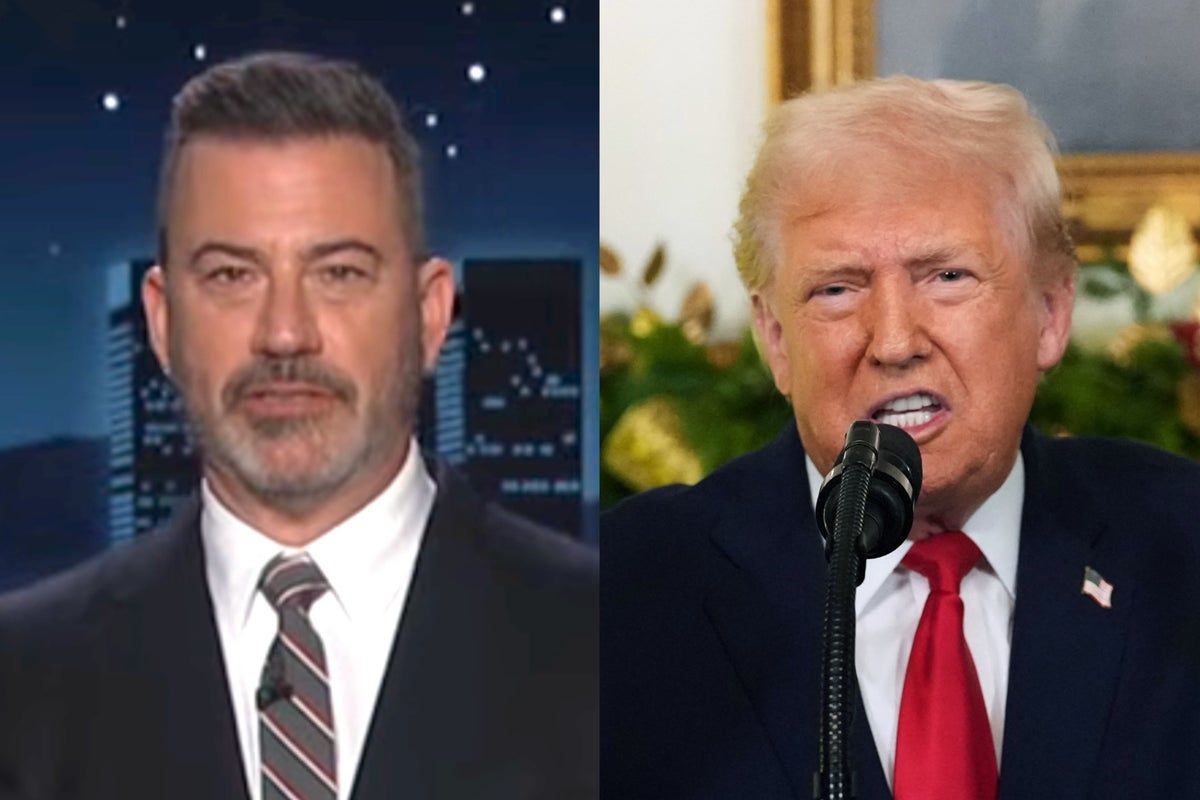
Image Credit: Getty Images
What Sparked the Latest Criticism
The renewed criticism stems from segments aired on Jimmy Kimmel Live!, where Jimmy Kimmel addressed political topics using satire. Late-night programming has long operated within this format, blending humor with commentary, but it often draws scrutiny when it targets public figures.
In this case, Trump’s reaction reflects ongoing tensions between political leaders and media personalities. The controversy has evolved beyond a single moment, becoming part of a broader conversation about the role of satire in modern media.
FCC License Renewals Enter the Conversation
The involvement of the Federal Communications Commission adds complexity to the situation. Broadcast networks like ABC must periodically renew their licenses, a process that ensures compliance with federal regulations.
While the FCC does not typically act based on individual content disputes, the timing of Trump’s comments has drawn attention to how regulatory frameworks intersect with public controversies. This overlap has intensified discussion about the boundaries of oversight and influence.

Image Credit: Getty Images
Framing the Debate as Public Outrage
Donald Trump’s assertion that “people are angry” reflects a broader strategy of positioning his views as aligned with public opinion. This framing resonates with supporters who share his concerns about media content.
At the same time, critics argue that such statements can amplify divisions and place additional pressure on media organizations. The debate highlights how public sentiment is often interpreted differently depending on perspective.
The Role of Late-Night Satire
Jimmy Kimmel operates within a long-standing tradition of late-night satire, where humor is used to comment on political and social issues. Shows like Jimmy Kimmel Live! often rely on this format to engage audiences and spark conversation.
However, satire can be polarizing, particularly when it intersects with real-world politics. The current situation underscores the challenges faced by hosts who navigate this space, balancing entertainment with commentary.
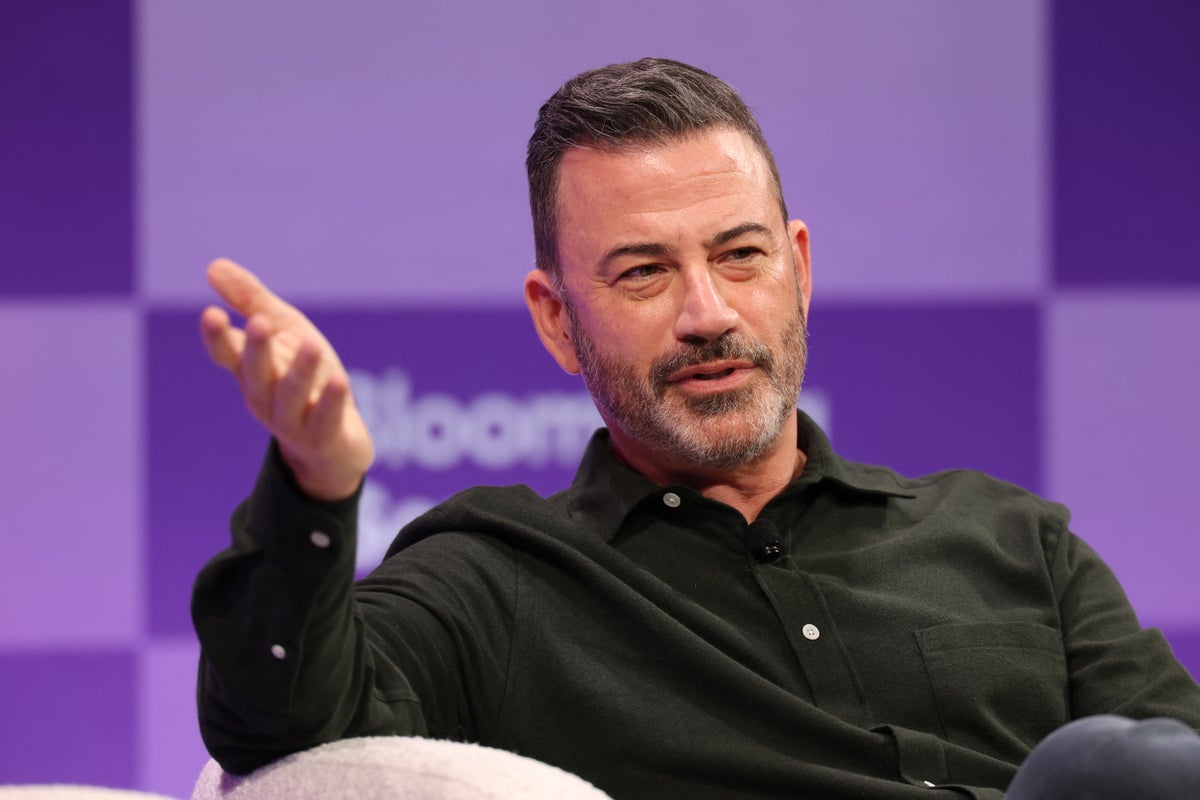
Image Credit: Getty Images
ABC’s Position in a Complex Situation
For ABC, the situation involves balancing creative freedom with corporate considerations. Decisions about programming and talent are influenced by audience engagement, brand identity, and long-term strategy.
External pressure, whether political or public, adds another layer of complexity. Networks must evaluate how to respond while maintaining editorial independence and operational stability.
Free Speech Versus Regulatory Oversight
At the heart of the debate is the balance between free expression and regulatory responsibility. While broadcasters operate under licenses, they also function within a framework that protects freedom of speech.
The discussion surrounding Donald Trump’s comments highlights ongoing questions about where that balance should lie. It also reflects broader concerns about how media content is evaluated and regulated.

Image Credit: Getty Images
Public Reaction Reflects Deep Divides
Reactions to the controversy have been sharply divided, with supporters and critics offering contrasting interpretations. Some view Trump’s comments as a call for accountability, while others see them as an attempt to influence media decisions.
Similarly, opinions about Jimmy Kimmel’s content vary widely, reflecting broader cultural and political differences. This divide illustrates the complexity of navigating public discourse in a highly polarized environment.
Final Thoughts
The renewed call by Donald Trump for ABC to fire Jimmy Kimmel underscores the ongoing tension between politics and media. As the conversation intersects with regulatory frameworks and public opinion, it highlights the challenges faced by both broadcasters and public figures.
Ultimately, the situation reflects a broader debate about free speech, satire, and the role of media in shaping public discourse. How these elements continue to interact will remain a key issue in the evolving media landscape.
FAQs
Q1: What did Donald Trump say about Jimmy Kimmel?
He called on ABC to fire Kimmel, citing public dissatisfaction with his content.
Q2: Why are FCC license renewals relevant?
They are part of the broader regulatory framework for broadcast networks like ABC.
Q3: What is Jimmy Kimmel known for?
He hosts Jimmy Kimmel Live! and is known for political satire.
Q4: Has ABC taken any action?
No official decision has been confirmed.
Q5: Why is this issue significant?
It raises questions about media independence, free speech, and political influence.
Published by HOLR Magazine