



The author weighs in as debate over comedy and accountability intensifies
Stephen King Responds to Trump-Kimmel Controversy
April 28, 2026 – Stephen King has entered the ongoing debate involving Donald Trump and late-night host Jimmy Kimmel, sharply criticizing Trump’s call for action against the comedian.
The controversy stems from Trump urging ABC to take steps against Kimmel following remarks made on Jimmy Kimmel Live!. In response, King took to social media, delivering a pointed message that quickly gained traction online.

Image Credit: Mathew Tsang/Getty Images/Chad Salvador/Getty Images
The Quote That Sparked Attention
Stephen King’s reaction included a widely shared remark: “People who live in glass houses shouldn’t throw sh-t.” The statement, though brief, carried a clear critique, suggesting that public figures should be mindful of their own actions before condemning others.
The phrasing quickly became a viral talking point, with users across platforms debating both the message and its implications. King’s reputation for speaking candidly on political and cultural issues added further visibility to the exchange.
Context: Trump’s Call Against Jimmy Kimmel
Donald Trump had previously criticized Jimmy Kimmel over comments made during a monologue, arguing that the content was inappropriate and calling on ABC to respond.
This move sparked widespread discussion about whether such calls represent legitimate criticism or an attempt to influence media decisions. King’s response directly engages with that question, positioning his remarks within a broader conversation about accountability and consistency.
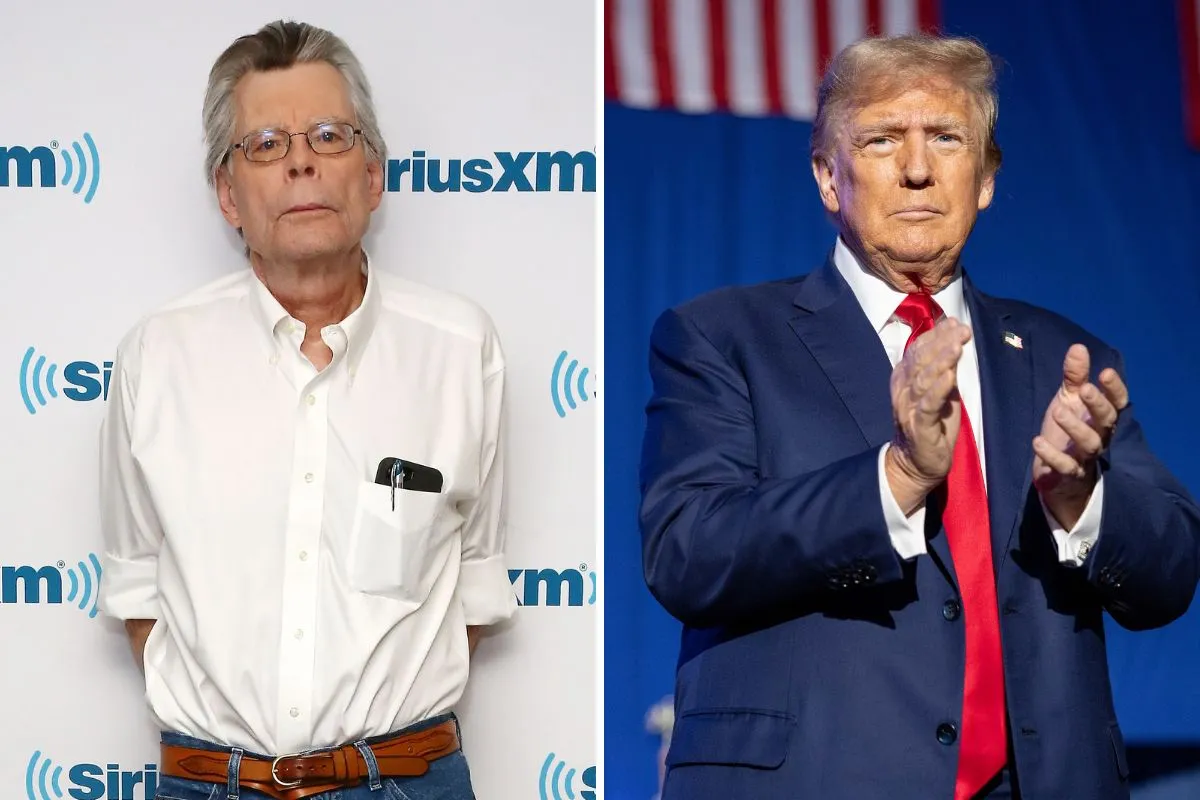
Image Credit: Astrid Stawiarz/Scott Eisen/Getty Images/Getty Images
The Role of Satire in Late-Night Television
Late-night programs like Jimmy Kimmel Live! have long used satire as a way to comment on political and cultural figures. Hosts often push boundaries, blending humor with critique to engage audiences.
Supporters of Jimmy Kimmel argue that this tradition is essential to free expression, allowing comedians to challenge powerful figures. Critics, however, contend that certain remarks can cross into inappropriate territory, particularly when they involve sensitive subjects.
Public Figures and Public Criticism
The exchange between Stephen King and Donald Trump highlights the complex relationship between public figures and criticism. Both individuals have large platforms, and their statements can significantly shape public discourse.
King’s comment reflects a perspective that emphasizes accountability across the board, suggesting that criticism should be applied consistently rather than selectively. This viewpoint resonates with audiences who see the debate as part of a larger pattern in political and media interactions.

Image Credit: Youtube
Social Media Amplifies the Conversation
As with many high-profile exchanges, social media has played a central role in amplifying the discussion. King’s remark quickly spread across platforms, prompting responses from supporters, critics, and commentators.
Some users praised his directness, viewing it as a necessary counterpoint to Trump’s statements. Others questioned whether the tone of the response contributed to the same kind of discourse being criticized. This range of reactions underscores the complexity of navigating public conversations in a digital environment.
Free Speech, Influence, and Media Power
At the heart of the controversy is an ongoing debate about free speech and the influence of powerful voices. Donald Trump’s call for action against a television host raises questions about the boundaries of criticism and the potential impact on media independence.
Meanwhile, Stephen King’s response highlights concerns about consistency and fairness in public discourse. Together, these perspectives illustrate the broader tensions that define contemporary discussions about media, politics, and expression.

Image Credit: Ulf Andersen/Getty
ABC’s Position in the Ongoing Debate
As the network behind Jimmy Kimmel Live!, ABC remains a key player in the situation. The network’s response—or lack thereof—could influence how similar controversies are handled in the future.
Balancing creative freedom with public expectations is an ongoing challenge for broadcasters. Incidents like this highlight the pressures networks face when navigating highly visible and politically charged moments.
Final Thoughts
Stephen King’s sharp response to Donald Trump’s criticism of Jimmy Kimmel adds another layer to an already complex debate. What began as a dispute over a late-night monologue has evolved into a broader conversation about free speech, accountability, and the role of public figures in shaping media narratives.
As reactions continue to unfold, the exchange serves as a reminder of how quickly individual comments can escalate into larger cultural discussions. In a media landscape defined by immediacy and reach, every statement carries the potential to influence the conversation in significant ways.
FAQs
Q1: What did Stephen King say about Donald Trump?
He criticized Trump’s stance using the phrase “people who live in glass houses shouldn’t throw sh-t.”
Q2: Why did Trump criticize Jimmy Kimmel?
Trump objected to remarks made during a monologue on Jimmy Kimmel Live!.
Q3: What is the main issue in this controversy?
It centers on free speech, satire, and whether calling for action against a host is appropriate.
Q4: How have people reacted to King’s comment?
Reactions are mixed, with some supporting his stance and others questioning the tone.
Q5: What role does ABC play?
ABC airs Jimmy Kimmel Live! and is at the center of calls for action regarding the situation.
Published by HOLR Magazine