


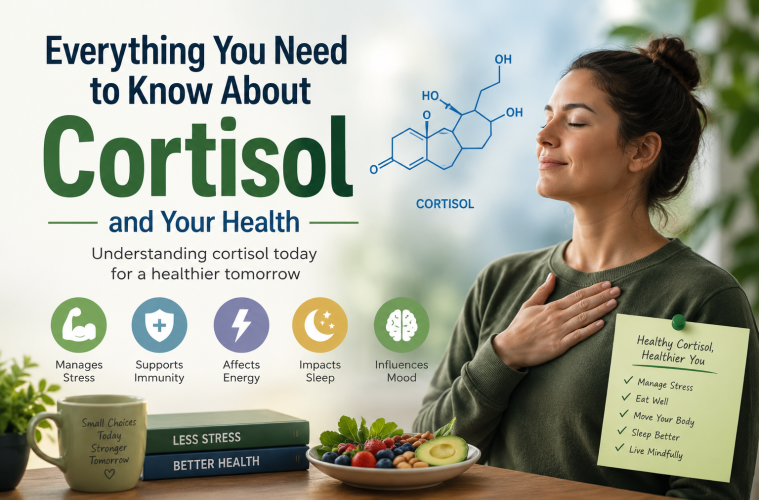
What Is Cortisol? How Your Stress Hormone Affects Your Body, Mind, and Health
July 25,2026: For many people, the word “cortisol” has become almost synonymous with stress.
Scroll through social media, and you’ll likely see videos blaming cortisol for everything from stubborn weight gain and acne to fatigue and anxiety. Wellness influencers often describe cortisol as the “bad hormone” responsible for many of today’s health concerns.
But the truth is much more nuanced.
Cortisol isn’t your enemy.
In fact, it’s one of the most important hormones your body produces.
Without it, your body couldn’t respond to stress, regulate blood sugar, manage inflammation, maintain blood pressure, or even wake you up in the morning.
Problems usually arise not because cortisol exists—but because its delicate balance becomes disrupted.
Modern life often exposes us to ongoing stress rather than brief moments of danger. Tight deadlines, financial worries, poor sleep, constant notifications, family responsibilities, and busy schedules can all influence how the body produces cortisol over time.
That’s why understanding this hormone has become increasingly important.
HOLR explores what cortisol really does, why it plays such a vital role in overall health, and how everyday habits can influence one of the body’s most powerful hormones.
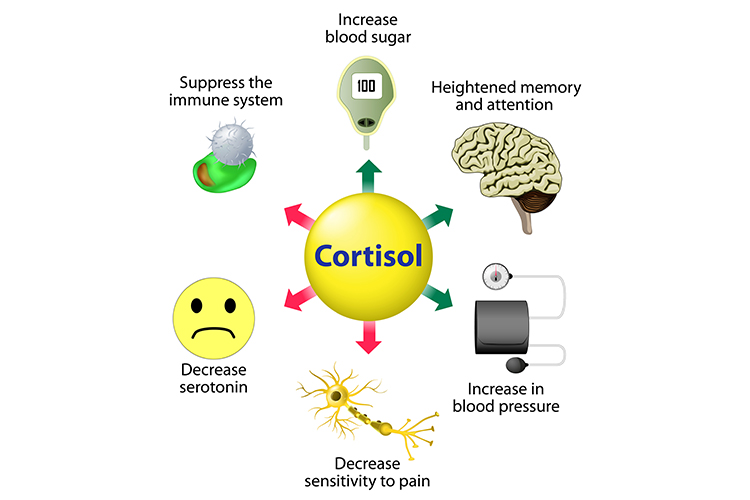
Image Credit: ausmed.com
What Is Cortisol?
Cortisol is a hormone produced by the adrenal glands, two small glands located on top of your kidneys.
It’s often called the stress hormone because your body releases more cortisol during times of physical or emotional stress.
However, cortisol’s responsibilities go far beyond helping you cope with stressful situations.
Every single day, cortisol helps regulate essential functions, including:
- Blood sugar levels
- Blood pressure
- Metabolism
- Immune function
- Inflammation
- Sleep-wake cycles
- Energy production
Your body carefully controls cortisol through a communication system involving the brain, pituitary gland, and adrenal glands.
When everything is working properly, cortisol rises and falls throughout the day in predictable patterns.
Why Cortisol Isn’t Always a Bad Thing
Cortisol has developed a negative reputation online, but without it, humans wouldn’t survive.
Imagine you’re suddenly faced with danger.
Within seconds, your brain signals the adrenal glands to release cortisol and adrenaline.
These hormones help your body respond by:
- Increasing blood sugar for quick energy
- Raising blood pressure
- Improving alertness
- Sharpening focus
- Preparing muscles for action
This response is commonly known as the “fight-or-flight” response.
It’s an incredible survival mechanism.
The challenge is that today’s stress rarely comes from immediate physical danger.
Instead, many people experience chronic stress that can continue for weeks, months, or even years.
When cortisol remains elevated for long periods, it may begin affecting other body systems.
Your Cortisol Levels Naturally Change Throughout the Day
One of cortisol’s most fascinating characteristics is that it follows a daily rhythm known as the circadian rhythm.
In healthy individuals:
- Cortisol is usually highest shortly after waking.
- Levels gradually decrease throughout the day.
- They become lowest during the evening and overnight, helping prepare the body for sleep.
This natural pattern explains why many people feel more alert in the morning and gradually become tired later in the day.
However, poor sleep, shift work, chronic stress, or irregular routines may disrupt this rhythm.
Over time, these disruptions can contribute to fatigue, difficulty sleeping, and reduced daytime energy.
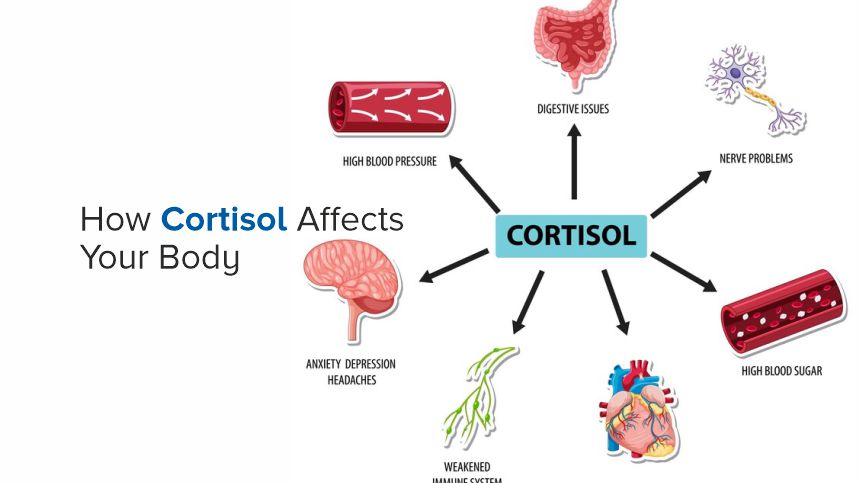
Image Credit: ampath.com
How Chronic Stress Affects Cortisol
Stress isn’t always harmful.
Short-term stress before an important presentation or sporting event can actually improve performance.
The body is designed to recover once the stressful event passes.
Problems begin when stress never truly ends.
Constant work pressure.
Financial concerns.
Relationship difficulties.
Poor sleep.
Illness.
Even excessive screen time can contribute to prolonged activation of the body’s stress response.
Instead of returning to baseline, cortisol may remain elevated more often than intended.
Researchers continue studying how chronic stress influences long-term health, but evidence suggests prolonged stress may affect cardiovascular health, immune function, sleep quality, mental well-being, and metabolic health.
Signs That Stress May Be Affecting Your Body
It’s important to remember that symptoms alone cannot diagnose high cortisol.
Many medical conditions share similar symptoms, and only a healthcare professional can evaluate hormone-related concerns.
However, chronic stress may contribute to experiences such as:
- Feeling constantly tired despite sleeping.
- Difficulty concentrating.
- Irritability.
- Poor sleep quality.
- Increased cravings for sugary foods.
- Feeling overwhelmed.
- Frequent headaches.
- Muscle tension.
- Reduced motivation.
These symptoms don’t necessarily mean cortisol is abnormal.
Rather, they may signal that your body is responding to prolonged stress and could benefit from healthier recovery habits.
Can Cortisol Affect Your Skin?
The connection between stress and skin has become an active area of scientific research.
During stressful periods, some people notice:
- Acne flare-ups
- Increased skin sensitivity
- Slower wound healing
- Dryness
- Eczema flare-ups
Researchers believe stress-related hormonal changes—including cortisol—may influence inflammation and skin barrier function.
However, skin health is complex.
Genetics, hormones, nutrition, sleep, skincare habits, and environmental factors all play important roles.
Cortisol is only one piece of a much larger puzzle.
Can Cortisol Affect Weight?
One of the most talked-about topics on social media is the relationship between cortisol and weight gain. While it’s true that cortisol can influence metabolism, appetite, and where the body stores fat, the idea that cortisol alone causes weight gain is an oversimplification.
When you’re under prolonged stress, your body may release more cortisol over time. This can increase cravings for calorie-dense foods that are high in sugar and fat, often called “comfort foods.” At the same time, chronic stress can affect sleep, reduce motivation to exercise, and encourage emotional eating.
Together, these factors may contribute to gradual weight gain for some people.
However, body weight is influenced by many factors, including genetics, nutrition, physical activity, hormones, medications, and overall health. Cortisol is one piece of a much larger picture—not the entire story.
The Connection Between Cortisol and Sleep
Sleep and cortisol have a two-way relationship.
Healthy cortisol levels help you wake up feeling alert in the morning. As the day progresses, cortisol naturally declines, allowing your body to prepare for rest.
But when stress becomes chronic, this rhythm can be disrupted.
Many people who are experiencing prolonged stress notice:
- Difficulty falling asleep
- Waking during the night
- Feeling tired despite getting enough hours of sleep
- Trouble waking up in the morning
Poor sleep can also increase stress, creating a cycle where elevated stress affects sleep, and poor sleep further affects the body’s stress response.
Breaking this cycle often requires improving both sleep habits and stress management rather than focusing on one alone.
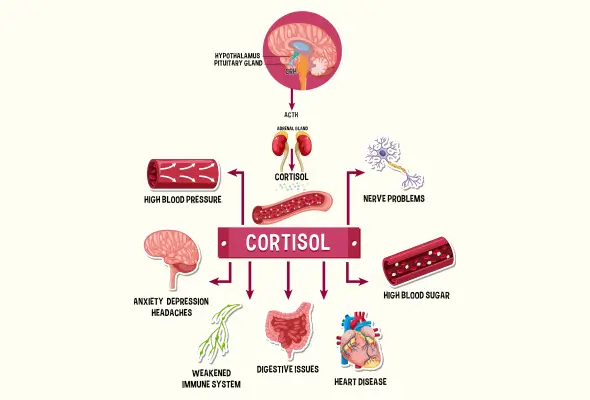
Image Credit: carehospitals.com
Can You Lower Cortisol Naturally?
Social media is full of products claiming to “reset,” “flush,” or “eliminate” cortisol.
In reality, healthy cortisol isn’t something that should be eliminated.
The goal is balance, not removal.
While no single food or supplement can instantly normalize cortisol, research suggests that certain lifestyle habits support a healthier stress response over time.
These include:
Prioritizing Quality Sleep
Aim for a consistent bedtime and wake-up time whenever possible. Good sleep hygiene supports the body’s natural cortisol rhythm.
Regular Physical Activity
Moderate exercise such as walking, cycling, yoga, swimming, or strength training can help improve mood and resilience to stress. Extremely intense exercise without enough recovery, however, may temporarily increase cortisol.
Eating a Balanced Diet
Regular meals that include lean protein, whole grains, healthy fats, fruits, and vegetables help provide steady energy and support overall hormone health.
Managing Daily Stress
Activities like meditation, deep breathing, journaling, spending time in nature, reading, listening to music, or connecting with loved ones may help reduce feelings of stress.
Taking Breaks
Modern life often encourages constant productivity, but allowing yourself time to rest is an important part of maintaining both physical and mental well-being.
The Problem With Social Media Advice
Cortisol has become one of the most misunderstood health topics online.
It’s common to see creators blame every symptom—from belly fat and acne to fatigue and mood swings—on “high cortisol.”
The reality is much more complicated.
Most symptoms associated with stress can have many possible causes.
For example:
- Fatigue may relate to poor sleep, iron deficiency, thyroid disorders, depression, or countless other factors.
- Acne can be influenced by hormones, genetics, skincare, medications, and inflammation.
- Weight changes may involve nutrition, activity levels, medications, hormones, or underlying medical conditions.
While stress certainly affects health, diagnosing cortisol problems based on symptoms alone isn’t possible.
That’s why it’s important to approach viral wellness trends with a critical mindset and rely on evidence-based information rather than quick fixes.
When Should You Speak With a Healthcare Provider?
Everyday stress is a normal part of life.
However, if you’re experiencing ongoing symptoms that interfere with your daily activities, it’s worth seeking professional medical advice.
You should consider speaking with a healthcare provider if you experience:
- Persistent fatigue
- Severe sleep problems
- Unexplained weight changes
- Ongoing anxiety or depression
- High blood pressure that isn’t improving
- Frequent infections
- Significant muscle weakness
- Changes in skin such as easy bruising or purple stretch marks
- Symptoms that continue despite healthy lifestyle habits
Healthcare professionals can determine whether additional testing is necessary and evaluate whether symptoms may be related to cortisol or another medical condition.
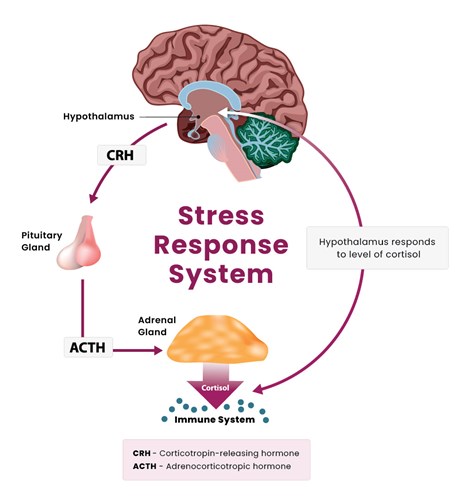
Image Credit: zrtlab.com
Why Balance Matters More Than Perfection
One of the biggest lessons we can learn from cortisol is that health is rarely about extremes.
Your body doesn’t need zero stress.
In fact, some stress helps us learn, adapt, stay motivated, and respond to challenges.
What matters is having opportunities to recover.
That recovery comes from healthy habits repeated consistently—not from expensive supplements or overnight wellness trends.
Sleep.
Movement.
Nutritious food.
Meaningful relationships.
Relaxation.
Time outdoors.
These everyday choices support not only cortisol balance but also overall physical and emotional well-being.
Final Thoughts
Cortisol has earned a reputation as the body’s “stress hormone,” but that label tells only part of the story.
This powerful hormone helps regulate energy, metabolism, immune function, blood pressure, inflammation, and the sleep-wake cycle. Without cortisol, the body couldn’t respond effectively to life’s challenges.
The issue isn’t cortisol itself—it’s chronic stress that keeps the body’s stress response activated for longer than intended.
Rather than fearing cortisol, it’s more helpful to understand it.
Learning how stress affects your body empowers you to make healthier daily choices that support recovery, resilience, and long-term wellness.
At the end of the day, caring for your cortisol isn’t about chasing perfection.
It’s about creating a lifestyle where your body has the opportunity to rest, recover, and thrive.
As wellness conversations continue to grow, one thing remains clear: understanding your body’s natural processes is one of the most powerful steps you can take toward better health.
FAQs
What is cortisol and why is it important?
Cortisol is a hormone made by the adrenal glands that helps regulate your body’s response to stress. It also supports metabolism, blood pressure, immune function, inflammation, and the sleep-wake cycle.
What are the symptoms of high cortisol?
Chronic stress may be associated with symptoms such as fatigue, difficulty sleeping, headaches, increased food cravings, irritability, and trouble concentrating. However, these symptoms can have many different causes, so a healthcare provider should evaluate persistent concerns.
Can cortisol affect your skin and hair?
Stress-related hormonal changes, including cortisol fluctuations, may contribute to acne flare-ups, skin sensitivity, slower wound healing, and changes in scalp health. Skin and hair health are also influenced by genetics, nutrition, hormones, and lifestyle.
What are the biggest stories trending online today? Read the latest here
Published by HOLR Magazine
Image Credit: AI