


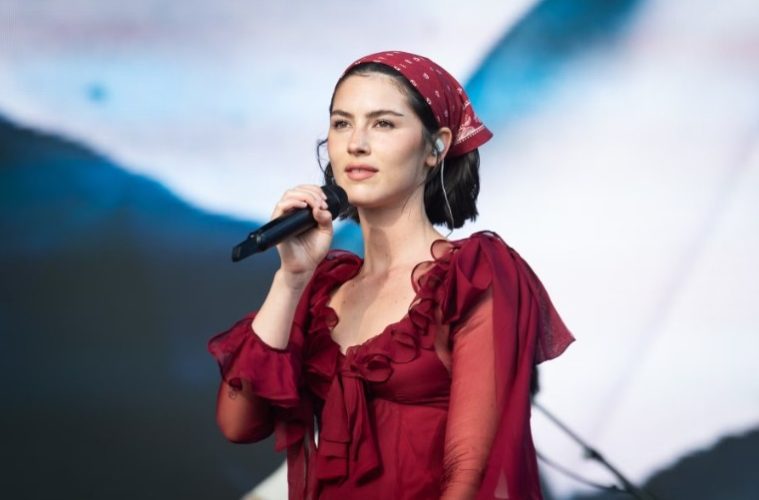
From braided accents to full-coverage wraps, these scarf hairstyles add polish to summer hair while keeping the look practical and easy to recreate.
Why Hair Scarves Work So Well in Summer
August 22, 2026 – A silk scarf is an easy way to change a hairstyle without committing to a new cut or spending much time styling. It can disguise a bad hair day, keep hair away from the face, or simply add color and pattern to an otherwise simple look.
The accessory also has a long history in fashion and culture. Screen icons including Jackie Onassis, Grace Kelly, Rita Moreno and Audrey Hepburn famously wore scarves while traveling or outdoors, while women across the SWANA region have long incorporated headscarves for practical, religious and cultural reasons.
Today, scarf hairstyles are appearing again in street style and celebrity looks, including among Hailey Bieber and attendees at Copenhagen Fashion Week. The appeal is partly aesthetic, but many of the styles are also remarkably simple to create.
1. Braided Scarf
Thread a narrow scarf through a braid instead of using it only as a finishing detail. The fabric becomes part of the hairstyle itself, creating movement and a playful effect.
A contrasting print works best because it keeps the scarf visible against the hair. A bright pattern can stand out against dark hair, while deeper shades can create contrast against lighter strands.

2. Scarf Headband
Fold a silk scarf into a narrow strip and wear it as a headband to pull the hair completely away from the face. It is one of the simplest options if you want a hairstyle that looks finished without much effort.
For a little more shape, pair the headband with a top knot. The combination keeps the front sleek while giving the back of the hairstyle some height.

3. Ponytail or Braid Tie
Probably the easiest option of all is tying a scarf around a finished ponytail or braid. It takes seconds but gives a familiar hairstyle a more deliberate look.
The scarf can be short and neat or left long so the ends fall alongside the hair. A smaller scarf works well for a subtle accent, while a longer one creates more movement.

4. Classic Babushka
For a more dramatic look, fold the scarf into a triangle and tie it beneath the chin. The babushka style recalls old Hollywood travel dressing while offering practical coverage.
It also works particularly well with sunglasses, creating a strong vintage-inspired combination. Despite its recognizable silhouette, the style is simple enough for everyday wear.

5. Top-Knot Wrap
Instead of using the scarf strictly as a headband, wrap it around the head so it covers more of the hair before tying it into a knot.
This approach keeps the hair concealed while leaving the scarf itself as the main visual element. It feels polished but still playful, especially with a bold print or contrasting border.

6. Scarf Cap
The cap version offers more coverage than a traditional headband while leaving some of the hair visible. It can be especially useful on sunny summer days when you want an accessory that does more than decorate the hairstyle.
The look also pairs naturally with casual clothing. A button-down shirt and jeans, for example, become more distinctive when finished with a printed scarf cap.

7. Bandana Style
The classic bandana is one of the easiest Y2K-inspired scarf looks to recreate. Most of the hair remains exposed, while the scarf keeps the face-framing sections tucked back.
Because the style leaves so much of the hair visible, it works well when you want the scarf to function more like an accessory than a full head covering.

8. Full-Coverage Low Bun
For maximum coverage, wrap the scarf around the entire head and finish with a low bun effect at the back. The result is clean, elegant and particularly useful on days when you do not want to spend time styling the hair underneath.
A smooth, lightweight scarf works best because it keeps the overall shape neat without adding unnecessary bulk.

9. Scarf Veil
The veil variation uses a longer scarf that extends down the back of the head, giving it a softer, flowing shape. Crochet or open-knit fabrics are particularly suited to this version because they enhance the breezy summer feel.
Unlike the full-coverage wrap, the veil leaves the front of the hairstyle more visible while allowing the scarf to move freely behind you.

10. Headband Wrap
This style combines two ideas in one. The scarf is positioned like a headband at the front, then tied around a ponytail at the back.
It keeps the hair away from the face while also securing the ponytail, making it a useful option when you want the scarf to have a practical purpose rather than simply sitting on top of the hairstyle.

11. Babushka 2.0
The updated babushka is similar to the classic version but leaves more hair visible around the front. It works particularly well with shorter styles, including shoulder-length cuts.
That makes it easier to wear if you like the headscarf look but do not want your hairstyle completely covered. A few loose sections around the face can soften the overall effect.

12. Bobby-Pinned Scarf Style
For the most polished version, start with hair slicked back and use strategically placed bobby pins to secure the scarf. The hair itself remains sleek, while a few intentionally styled baby hairs can add definition around the face.
This look feels more refined than casual and works particularly well when you want the scarf to look integrated into the hairstyle rather than simply tied on top.

Final Thoughts
Hair scarves are one of the easiest summer accessories to experiment with because the same piece can create completely different hairstyles. A narrow scarf can become a braid accent or ponytail tie, while a larger square can transform into a babushka, cap, veil or full head wrap.
The best style depends on how much coverage you want and how much of your existing hairstyle you want to show. With a silk or lightweight scarf and a few minutes of styling, even a basic ponytail or bun can look completely different.
FAQs
How do you wear a scarf in your hair in summer?
You can braid one into your hair, tie it around a ponytail, wear it as a headband or use it as a full head wrap.
What type of scarf works best for hairstyles?
Lightweight silk scarves are particularly easy to fold and tie, while crochet and open-knit fabrics work well for looser summer styles such as a veil.
Can a scarf protect hair in summer?
Headscarves can provide physical coverage from environmental exposure and have long been used for practical hair protection in addition to fashion and cultural purposes.
How do I keep a hair scarf from slipping?
Choose a scarf that is easy to knot securely and use bobby pins when extra hold is needed, particularly with slicked-back or full-coverage styles.
Can short hair work with scarf hairstyles?
Yes. The bandana and babushka 2.0 styles work particularly well with shorter or shoulder-length hair because they leave more of the hairstyle visible.
Published by HOLR Magazine