


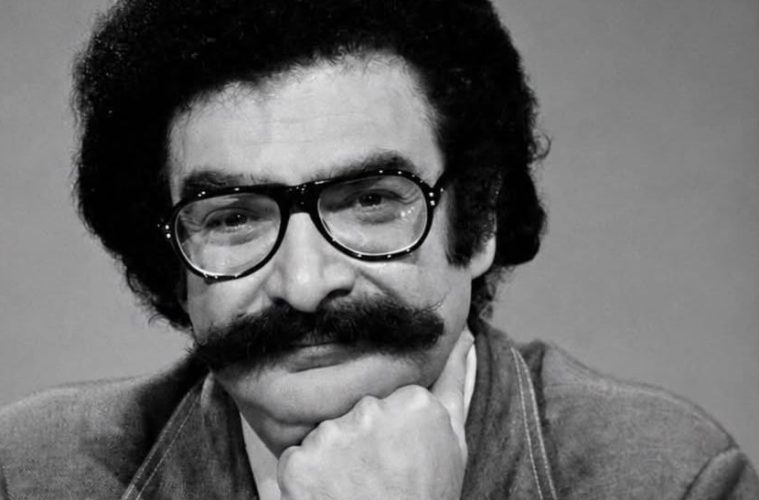
The longtime television personality and movie critic leaves behind a remarkable legacy that helped shape film criticism for generations of viewers.
Who Was Gene Shalit and Why Is His Death Making Headlines?
June 13, 2026 : Gene Shalit, one of America’s most recognizable movie critics and television personalities, has died at the age of 100.
Known for his distinctive mustache, colorful language, and memorable appearances on morning television, Gene Shalit became a familiar face to millions of viewers over several decades. His reviews helped audiences decide what films to watch while making film criticism more accessible to mainstream audiences.
News of his passing has prompted tributes from journalists, filmmakers, actors, and longtime fans who remember him as one of the most influential entertainment commentators of his era.
His death marks the end of a remarkable chapter in American entertainment journalism.
A Career That Defined Television Film Criticism
Long before social media reviews and online movie scores became commonplace, Gene Shalit helped shape how Americans discussed movies.
His television appearances brought film criticism directly into viewers’ homes. Unlike many critics who primarily wrote for newspapers or magazines, Shalit became a media personality whose reviews reached audiences through broadcast television.
This visibility helped him stand out in an increasingly crowded entertainment landscape.
His unique style blended humor, insight, and enthusiasm, making movie criticism approachable for casual viewers while still offering thoughtful commentary on films and performances.
Over time, his reviews became an anticipated part of television programming for many Americans.
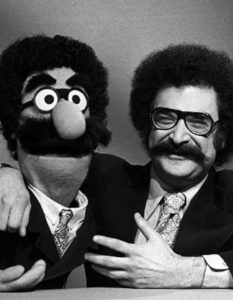
Image credit: Instagram @screenthrill
How Gene Shalit Became a Household Name
One of the reasons Shalit remained relevant for so many years was his ability to connect with broad audiences.
His energetic delivery and recognizable appearance made him instantly memorable. Viewers often associated him with a particular era of television when critics played an important role in shaping public opinion about movies.
Unlike today’s entertainment environment, where audiences have access to countless online opinions, television critics once served as major gatekeepers for film recommendations.
Shalit excelled in that role.
He developed a reputation for offering candid assessments while maintaining an engaging and entertaining presentation style.
As a result, his influence extended well beyond traditional journalism circles.
A Lasting Impact on Entertainment Journalism
Gene Shalit’s contributions went beyond reviewing films.
He helped demonstrate that entertainment journalism could be informative while remaining accessible to mainstream audiences.
His work bridged the gap between serious film analysis and popular entertainment coverage.
Many younger critics and television personalities cite pioneers like Shalit as important influences on their careers.
His success showed that audiences had an appetite for thoughtful discussion about movies when presented in an engaging way.
The format he helped popularize remains visible today across television, streaming platforms, podcasts, and digital media.
Even as media consumption habits changed, his influence continued to be felt throughout the industry.
Why Audiences Connected With His Reviews
Part of Shalit’s appeal stemmed from his ability to communicate complex opinions in clear, relatable language.
Rather than focusing solely on technical filmmaking concepts, he often emphasized how movies made audiences feel.
This approach resonated with everyday viewers who wanted guidance without overly academic analysis.
His reviews frequently balanced criticism with entertainment value.
Viewers tuned in not only to hear his opinions but also to enjoy his distinctive personality.
That combination helped him remain relevant across multiple generations of moviegoers.

Image credit: Instagram @screenthrill
The Evolution of Film Criticism During His Lifetime
Gene Shalit’s career spanned a period of dramatic change in both Hollywood and journalism.
When he began reviewing films, audiences relied heavily on newspapers, magazines, television programs, and professional critics for recommendations.
Today, social media, audience scores, influencers, and online content creators contribute significantly to entertainment discussions.
Despite these changes, the fundamental goal of criticism remains the same: helping audiences engage with art and storytelling.
Shalit’s work represents an important chapter in that history.
His career serves as a reminder of how influential critics once were in shaping cultural conversations around film.
Tributes Pour In Following the News
Following reports of his death, tributes began appearing across the entertainment industry.
Journalists praised his longevity and professionalism. Film enthusiasts reflected on growing up watching his reviews. Many industry figures highlighted his role in bringing movie criticism into mainstream television culture.
The response underscores the lasting impression he made throughout his career.
For many people, Gene Shalit was not simply a critic.
He was part of the movie-going experience itself.
His recommendations, observations, and personality became closely associated with the way audiences discovered films.

Image credit : Instagram @todayshow
Why Gene Shalit’s Legacy Still Matters
Although media platforms have evolved, the qualities that made Gene Shalit successful remain relevant today.
Audiences continue searching for trusted voices who can provide thoughtful perspectives on movies, television shows, and entertainment trends.
Shalit’s career demonstrated the importance of credibility, consistency, and genuine enthusiasm.
Those qualities continue to define successful entertainment journalism.
His legacy also serves as a reminder that criticism is not merely about judging creative work. At its best, criticism helps audiences better understand and appreciate storytelling.
That philosophy remains central to modern film commentary.
Fact vs. Speculation
Confirmed Facts
Gene Shalit has died at the age of 100.
He was one of America’s most recognizable television movie critics. His career spanned several decades in entertainment journalism.
He became known for his distinctive reviewing style and television presence.
Why This Story Is Trending
The news has generated widespread attention because Gene Shalit represented a unique era in entertainment media.
Many people grew up watching his television appearances and trusted his movie recommendations. His passing has sparked nostalgia among audiences while prompting conversations about the evolution of film criticism.
The milestone age of 100 has also drawn attention to the extraordinary length of his life and career.
As tributes continue appearing online, interest in his legacy remains strong.

Image credit : Instagram @todayshow
Conclusion
Gene Shalit’s death marks the loss of one of the most recognizable voices in American entertainment journalism.
For decades, he helped audiences navigate the world of movies through thoughtful reviews, memorable commentary, and a distinctive television presence.
While the media landscape has changed dramatically since his rise to prominence, his influence remains visible in the work of countless critics and commentators who followed.
His legacy will continue to be remembered as an important part of film criticism and television history.
FAQs
Who was Gene Shalit?
Gene Shalit was a prominent American movie critic, journalist, and television personality known for his decades-long career reviewing films and entertainment.
How old was Gene Shalit when he died?
Gene Shalit died at the age of 100.
Why was Gene Shalit famous?
He became famous for his movie reviews, television appearances, distinctive personality, and long-running presence in entertainment journalism.
What was Gene Shalit’s role in film criticism?
He helped make movie criticism accessible to mainstream television audiences and influenced generations of entertainment journalists.
Why is Gene Shalit trending?
He is trending following news of his death and the widespread tributes celebrating his life and career.
Did Gene Shalit work on television?
Yes. Much of his popularity came from his television appearances, where he reviewed movies and discussed entertainment news.
What impact did Gene Shalit have on journalism?
He helped popularize television-based film criticism and demonstrated how entertainment reporting could reach mass audiences.
How are fans reacting to his death?
Many fans, journalists, and entertainment figures have shared tributes recognizing his contributions to film criticism and television.
Published by HOLR Magazine