


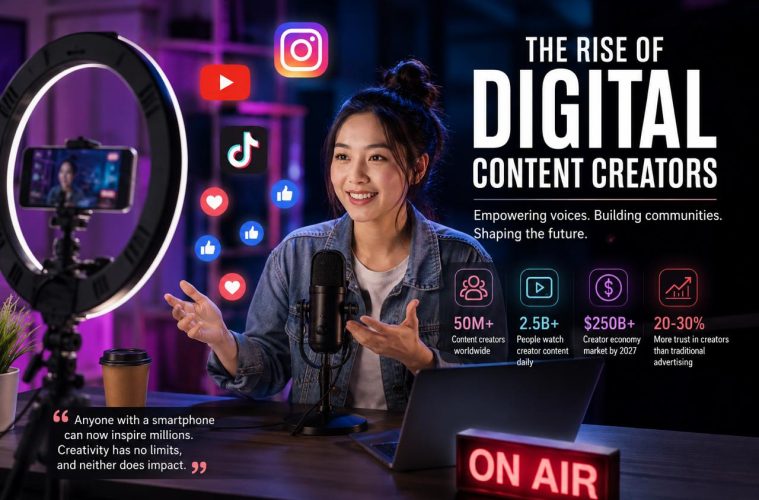
Digital content creators are transforming how people consume media, build communities, and engage with brands online.
What Is Driving the Rise of Digital Content Creators?
June 18, 2026 : Digital content creators have become a major force in today’s media landscape.
Over the past decade, platforms such as YouTube, TikTok, Instagram, Twitch, and podcasts have given individuals the ability to reach millions of people without relying on traditional media companies. As a result, creators now influence entertainment, news, fashion, technology, education, and consumer behavior on a global scale.
The rise of digital content creators reflects a broader shift in how audiences consume information. People increasingly seek authentic voices, personalized content, and direct engagement rather than relying solely on television networks, newspapers, or major production studios.
Today, content creation is no longer viewed as a hobby. For many creators, it has become a full-time profession and a rapidly growing industry.
How Social Media Changed the Media Industry
The growth of social media platforms fundamentally changed how content reaches audiences.
In the past, creators often needed access to television networks, publishers, or production companies to build a large audience. Social media removed many of those barriers.
Anyone with a smartphone, internet connection, and creative idea can potentially build an audience online.
This accessibility has allowed creators from diverse backgrounds to share unique perspectives and connect with niche communities around the world.
Platforms reward engaging content rather than traditional credentials, allowing talented individuals to gain recognition through creativity and consistency.
Why Audiences Trust Content Creators
One of the biggest reasons behind the success of digital creators is authenticity.
Many viewers feel that creators offer a more personal and relatable experience compared to traditional celebrities or media personalities.
Creators often share aspects of their daily lives, opinions, successes, and challenges. This transparency helps build stronger relationships with followers.
Unlike traditional advertising, creator content frequently feels more conversational and community-driven.
As a result, audiences often view creators as trusted sources for recommendations, reviews, tutorials, and entertainment.
The Business of Content Creation
What began as personal content-sharing has evolved into a multibillion-dollar industry.
Today, creators generate revenue through multiple sources, including:
Brand partnerships
Sponsored content
Advertising revenue
Affiliate marketing
Merchandise sales
Membership programs
Livestream donations
Subscription platforms
Major brands increasingly invest in influencer marketing because creators can connect directly with highly engaged audiences.
For many companies, partnering with creators has become an essential part of modern marketing strategies.
This shift has helped transform content creation into a legitimate career path.
Image credit : AI generated
Several digital platforms have played key roles in the rise of content creators.
YouTube
YouTube remains one of the most influential creator platforms. Long-form videos allow creators to build loyal communities while generating advertising revenue.
TikTok
TikTok accelerated the creator economy by making it easier for short-form content to reach massive audiences through algorithm-driven discovery.
Instagram continues to be a major platform for lifestyle, fashion, beauty, travel, and business creators.
Twitch
Twitch has become the leading platform for gaming, live entertainment, and real-time audience interaction.
Podcasts and Newsletters
Audio and written content have also expanded creator opportunities, allowing individuals to build audiences outside traditional social media platforms.
Image credit: AI generated
How Creators Are Influencing Culture
Digital creators now shape cultural conversations in ways that were once dominated by traditional media.
Trending challenges, viral videos, product launches, and social discussions often begin with creators before reaching mainstream audiences.
Many creators have also become entrepreneurs, launching businesses, product lines, and media companies.
Some have transitioned into television, film, publishing, and professional sports.
This crossover demonstrates how influential digital creators have become across multiple industries.
The Challenges Facing Digital Creators
Despite the opportunities, content creation comes with significant challenges.
Many creators face intense competition, platform algorithm changes, audience expectations, and concerns about burnout.
Maintaining a consistent online presence often requires long hours of planning, filming, editing, and community engagement.
Creators must also navigate issues related to privacy, mental health, misinformation, and online criticism.
As the industry continues growing, many experts argue that stronger support systems are needed to help creators manage these pressures.
Artificial Intelligence and the Future of Content Creation
Artificial intelligence is becoming an increasingly important tool within the creator economy.
Many creators use AI-powered software for editing, transcription, graphic design, content planning, and audience analysis.
At the same time, AI-generated content raises questions about originality, transparency, and authenticity.
While some view AI as a powerful creative tool, others worry it could impact opportunities for human creators.
The balance between technology and creativity will likely remain a major topic in the years ahead.
Why Brands Continue Investing in Creators
Influencer marketing continues to grow because audiences often engage more deeply with creators than with traditional advertising.
Research consistently shows that recommendations from trusted creators can influence purchasing decisions.
Brands increasingly collaborate with creators who have smaller but highly engaged audiences rather than focusing only on celebrities.
This strategy allows businesses to reach specific communities more effectively.
As a result, creator partnerships have become one of the fastest-growing sectors within digital marketing.
Image credit : reverbico
What the Future Looks Like
The creator economy shows no signs of slowing down.
New platforms continue emerging, while established networks expand tools designed specifically for creators.
Experts predict that content creation will become even more professionalized, with creators building teams, launching companies, and diversifying revenue streams.
Educational institutions are also beginning to recognize content creation as a legitimate career path, offering courses related to digital media, social media marketing, and audience development.
As technology evolves, creators will likely continue shaping how people consume information and entertainment.
Fact vs. Speculation
Confirmed Trends
Digital content creation has become a major global industry.
Brands increasingly invest in creator partnerships.
Social media platforms continue driving audience growth.
Creator-led businesses are expanding across multiple sectors.
Future Predictions
The creator economy may continue growing in value.
AI could play a larger role in content production.
More creators may launch independent media companies.
New platforms could reshape audience behavior.
While industry growth remains strong, future developments depend on technology, consumer behavior, and platform policies.
Why the Rise of Digital Content Creators Matters
The rise of digital creators represents one of the most significant changes in modern media.
Individuals now have unprecedented opportunities to build audiences, launch businesses, and influence global conversations.
At the same time, audiences benefit from greater content diversity and more direct access to creators.
Whether through entertainment, education, news, or marketing, content creators continue redefining how information is created and shared.
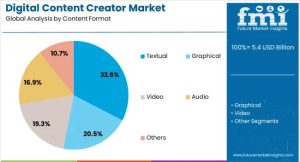
Image credit : Future market insights
Conclusion
Digital content creators have transformed from online hobbyists into major players in entertainment, business, and culture.
Their ability to connect directly with audiences has changed how people discover products, consume information, and engage with media.
As platforms evolve and technology advances, creators will likely remain at the center of digital innovation.
The creator economy is no longer a trend—it is a defining part of the modern media landscape.
FAQs
What is a digital content creator?
A digital content creator produces online content such as videos, podcasts, articles, livestreams, or social media posts for digital audiences.
Why are content creators becoming so popular?
Creators offer authentic, relatable, and engaging content that often feels more personal than traditional media.
How do content creators make money?
They earn revenue through sponsorships, advertising, affiliate marketing, merchandise, subscriptions, and other monetization methods.
What platforms are most popular for creators?
YouTube, TikTok, Instagram, Twitch, podcasts, and newsletters are among the leading creator platforms.
What is the creator economy?
The creator economy refers to the industry built around individuals who earn income through digital content and audience engagement.
Can content creation be a full-time career?
Yes. Many creators generate enough income to work full-time through multiple revenue streams.
How is AI affecting content creators?
AI helps with editing, content planning, and production but also raises questions about originality and competition.
Why do brands work with content creators?
Creators often have highly engaged audiences, making influencer marketing an effective way to promote products and services.
What are the biggest stories trending online today? Read the latest here
Published by HOLR Magazine
Image Credit : AI generated