


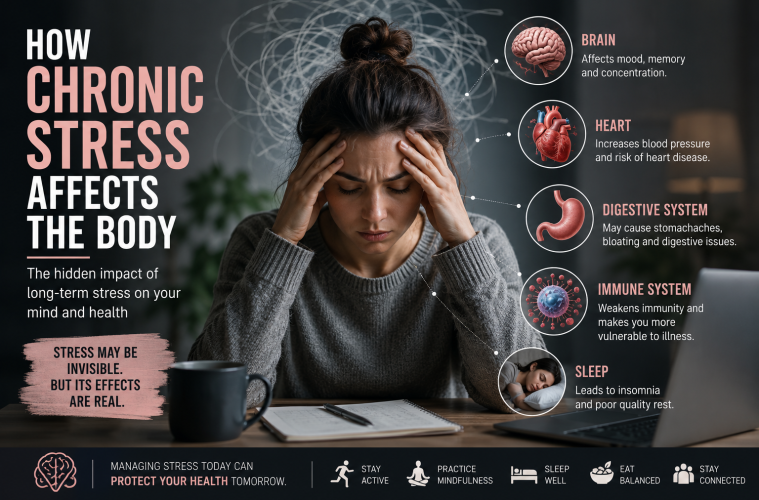
How Chronic Stress Affects the Body: The Science Behind Long-Term Stress and Your Health
July 28,2026: Stress is something everyone experiences.
Whether it’s preparing for a job interview, meeting an important deadline, or dealing with unexpected life events, stress is a natural part of being human. In fact, short-term stress isn’t always harmful. It can sharpen your focus, improve your reaction time, and help your body respond quickly in challenging situations.
The problem begins when stress never seems to end.
For many people, today’s pressures don’t disappear after a few hours or days. Work demands, financial responsibilities, family commitments, social media, global events, and constant digital connectivity can keep the body in a prolonged state of alertness.
This ongoing pressure is known as chronic stress, and over time, it can affect nearly every system in the body.
Unlike a temporary stressful event, chronic stress quietly influences physical health, mental well-being, sleep quality, and even everyday habits. Because many of these changes happen gradually, people may not immediately recognize how deeply stress is affecting them.
HOLR explores what chronic stress really is, how it changes the body, and why learning to manage stress is one of the most important investments you can make in your long-term health.
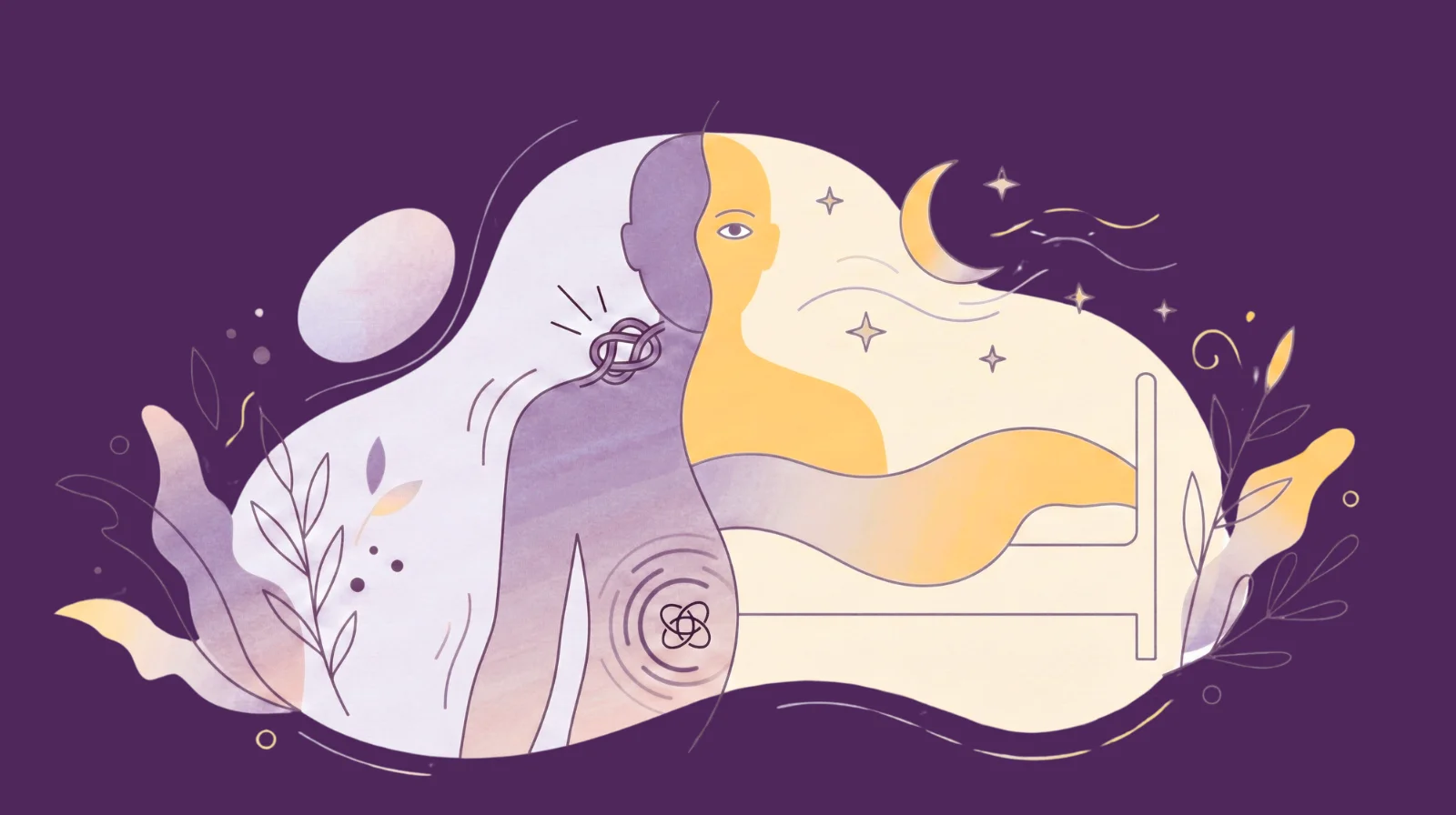
Image Credit: betterhood.in
What Is Chronic Stress?
Stress is the body’s natural response to situations that feel challenging, uncertain, or threatening.
When you experience stress, your brain signals the release of hormones such as adrenaline and cortisol. These hormones prepare the body for quick action by increasing heart rate, raising blood pressure, and providing muscles with additional energy.
This is often called the fight-or-flight response.
In short bursts, this response is incredibly useful.
Imagine needing to react quickly while driving or responding to an emergency. Stress hormones help your body stay alert and focused.
Chronic stress is different.
Instead of returning to a relaxed state after the stressful event ends, the body continues activating this response repeatedly or continuously.
Over time, this prolonged activation places extra strain on multiple body systems.
How Your Brain Responds to Chronic Stress
The brain is one of the first organs affected by long-term stress.
When stress becomes constant, the brain remains focused on identifying potential threats—even when there are none.
This heightened state of alertness can contribute to:
- Difficulty concentrating
- Mental fatigue
- Forgetfulness
- Irritability
- Feeling overwhelmed
- Trouble making decisions
Chronic stress may also influence mood.
Some people notice increased anxiety, frustration, or sadness during prolonged periods of stress.
Although stress alone doesn’t cause every mental health condition, ongoing stress can make existing emotional challenges more difficult to manage.
This is why mental health professionals often emphasize stress management as an important part of overall well-being.
The Connection Between Stress and Cortisol
One of the hormones most closely associated with stress is cortisol.
Cortisol plays many important roles in the body, including helping regulate metabolism, blood pressure, inflammation, and the sleep-wake cycle.
The hormone itself isn’t harmful.
Problems arise when stress keeps cortisol levels elevated for extended periods.
Researchers continue studying the long-term effects of prolonged cortisol exposure, but evidence suggests chronic stress may influence:
- Sleep quality
- Appetite
- Energy levels
- Mood
- Immune function
- Blood sugar regulation
Rather than viewing cortisol as the enemy, experts recommend focusing on reducing unnecessary stress while supporting the body’s natural recovery processes.
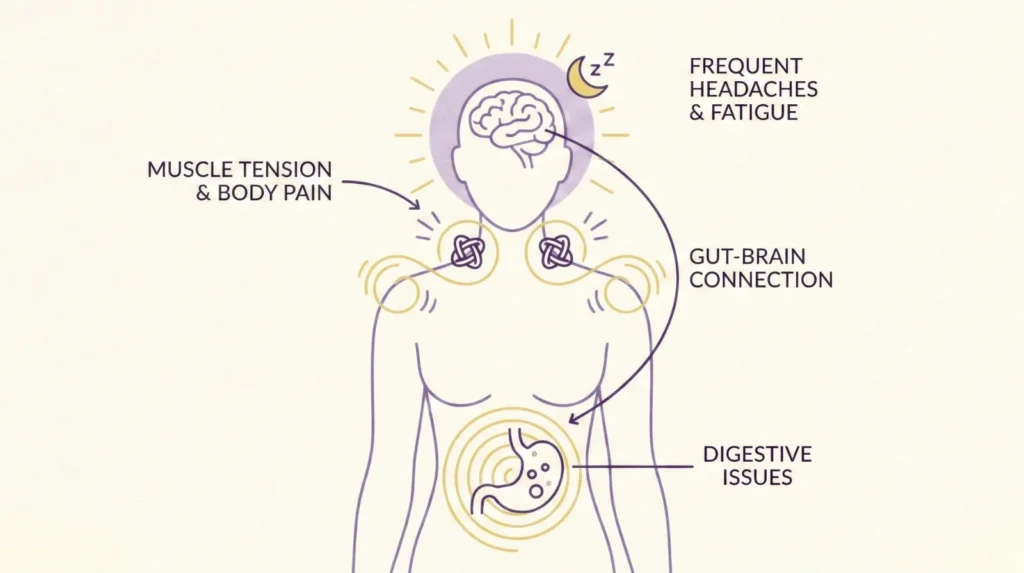
Image Credit: betterhood.in
Stress Can Affect Your Heart
When you’re stressed, your heart naturally works harder.
Heart rate increases.
Blood pressure rises.
Blood vessels narrow to prepare the body for action.
These short-term changes are normal.
However, repeated activation over months or years may place additional strain on the cardiovascular system.
Research suggests chronic stress may contribute to unhealthy lifestyle habits such as poor sleep, physical inactivity, smoking, or unhealthy eating patterns—all of which can affect heart health.
While stress is only one factor among many, maintaining healthy stress levels is increasingly recognized as an important part of supporting cardiovascular wellness.
Your Immune System Can Feel the Effects Too
Your immune system constantly works to protect the body from infections and disease.
Chronic stress may influence how efficiently this system functions.
Some people notice they seem to catch colds more often during stressful periods.
Others experience slower recovery from illness or injuries.
Scientists believe prolonged stress hormones may affect inflammatory responses and certain immune functions, although research continues to explore these complex relationships.
Supporting the immune system involves much more than avoiding stress.
Sleep, nutrition, physical activity, hydration, and vaccinations also play essential roles.
Stress and Your Digestive System
Have you ever noticed “butterflies” in your stomach before a big presentation?
That’s because the digestive system and brain are closely connected.
Long-term stress may influence digestion in several ways.
Some people experience:
- Stomach discomfort
- Changes in appetite
- Indigestion
- Bloating
- Changes in bowel habits
Stress doesn’t directly cause every digestive condition, but it can influence how the digestive system functions and may worsen symptoms in individuals with existing gastrointestinal disorders.
Maintaining healthy eating habits during stressful periods can help support digestive health.
Why Chronic Stress Can Leave You Feeling Exhausted
One of the most common complaints among people experiencing ongoing stress is persistent fatigue.
Ironically, stress often keeps the body feeling alert while simultaneously draining its energy.
Poor sleep, increased muscle tension, emotional strain, and constant mental activity all require energy.
Over time, many people feel physically and emotionally exhausted, even if they haven’t been especially active.
Fatigue related to stress can make everyday activities feel more difficult, affecting productivity, motivation, and overall quality of life.

Image Credit: mindwell.com
FAQs
What is chronic stress?
Chronic stress is prolonged or ongoing stress that keeps the body’s stress response active over an extended period. Unlike short-term stress, it can affect physical and mental health if left unmanaged.
How does chronic stress affect the body?
Chronic stress can influence many systems in the body, including the brain, heart, immune system, digestive system, skin, and sleep. It may also affect mood, energy levels, and everyday habits.
Can chronic stress cause physical symptoms?
Yes. Some people experience headaches, muscle tension, digestive discomfort, fatigue, sleep disturbances, or skin flare-ups during periods of prolonged stress. These symptoms can also have other causes, so persistent concerns should be discussed with a healthcare professional.
What are the biggest stories trending online today? Read the latest here
Published by HOLR Magazine
Image Credit: AI