


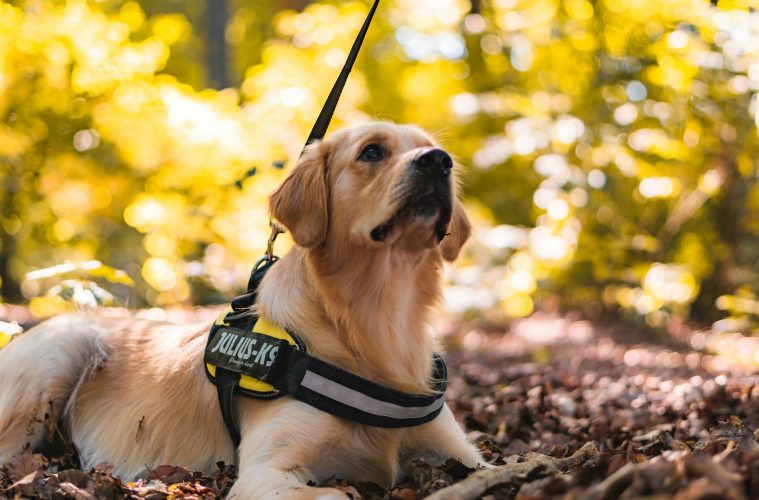
A dog harness affects gait, breathing, skin health, and handler control. An incorrect size can press on the trachea, chafe under the legs, or allow escape. Construction matters just as much, since weak stitching and brittle clips may fail during sudden movement. A sound choice matches the animal’s chest shape, activity level, coat, and daily routine. A proper fit also reduces strain during walks, especially for dogs that pull, lunge, or tire easily.
A useful starting point is https://canadapooch.com/dog-harnesses, where owners can compare shapes, materials, and attachment options. Before choosing, each household should consider walking surfaces, weather, coat thickness, and handling needs. Puppies need adjustability, but excess room can create escape opportunities. Older dogs may need a lighter structure that avoids lifting pressure around stiff shoulders, elbows, or the spine.
Measure Before Buying
Accurate measurements prevent many fit problems. A flexible tape should pass around the fullest part of the rib cage, directly behind the front legs. The dog needs to stand naturally, with the head in a relaxed position. Neck circumference and body weight may also affect sizing.
Size charts vary between manufacturers, so a previous purchase offers limited guidance. Thick coats may require extra space, while narrow chests often need a closer adjustment range. Recheck measurements after weight loss, growth, or seasonal coat changes. A harness cannot fit correctly if the starting data is inaccurate.
Check Movement
The structure must permit normal shoulder rotation and full front-leg extension. During a trial, the dog should walk, sit, turn, and lie down without resistance. Straps crossing the shoulder joints can shorten the stride or alter weight distribution. Repeated scratching, tucked limbs, or hesitation may indicate friction or compression.
The lower edge belongs behind the elbows, not inside the armpits. Loose fabric can twist, while tight webbing may create localized heat and skin damage. A properly positioned chest panel spreads pulling force across the sternum and ribs. Movement reveals comfort more reliably than appearance.
Confirm Secure Adjustments
Each strap needs enough tension to prevent slipping without compressing soft tissue. Two fingers should fit beneath the webbing, though the harness should not shift when the dog backs away. Animals with flexible bodies or narrow heads require particular care around the neck opening.
Buckles deserve a firm closure check before every outing. The locking mechanism should engage fully, and attachment rings should remain fixed under moderate pressure. An indoor trial can expose loose settings, awkward fasteners, or escape gaps. Small early corrections improve outdoor safety.
Inspect Materials
Fabric quality affects comfort and service life. Firm webbing should feel smooth along every edge, with no rough fibers that could abrade the coat. Reinforced stitching matters at chest panels, adjustment points, and leash rings because these areas absorb repeated force.
Metal hardware generally tolerates heavy use, while plastic components must resist cracking, bending, and cold-weather brittleness. A visual inspection can reveal frayed threads, stretched loops, or distorted clips. Replacement becomes necessary when damage affects load-bearing parts, even if the harness remains usable.
Match Features to Habits
A back attachment often suits calm walking, while a front ring can provide additional guidance for dogs that pull. Dual connection points may help during training or crowded routes. Reflective sections improve visibility near traffic, pathways, and poorly lit entrances.
Some animals accept a step-in style more readily than an overhead model. Others need broad chest coverage because of their body shape. Active dogs may benefit from ventilation and stable panels, while senior companions often need lightweight materials. Useful features should reflect behavior, strength, and handling conditions.
Consider Weather
Climate changes how a harness feels against the body. Breathable fabric limits heat retention during warm walks, while padding can provide comfort in colder conditions. Wet equipment needs to dry completely before storage, since retained moisture encourages odor and material deterioration.
Seasonal clothing also changes the required adjustment. A setting that fits over a winter coat may become loose after shedding. After hot, rainy, or snowy outings, owners should inspect the skin beneath the chest and legs. Redness, damp fur, or persistent scratching calls for immediate reassessment.
Conclusion
A dependable harness begins with precise measurement and ends with regular inspection. Chest placement, shoulder freedom, strap tension, hardware strength, and fabric condition all affect safety. Weather, coat changes, cleaning methods, and walking behavior can alter performance over time. Owners who assess these details give dogs better support without restricting natural movement. The best choice stays secure during activity, stays comfortable against the skin, is easy to maintain, and is strong enough for years of ordinary use.
Published by HOLR Magazine.