



Simple changes to lighting, color, bedding, clutter, and your nighttime environment can turn your bedroom into a calmer place to unwind.
August 26, 2026: Your bedroom should feel like a place where you can finally slow down at the end of the day. But when the room is cluttered, brightly lit, too warm, or filled with distractions, it can be surprisingly difficult to relax.
Creating a more peaceful bedroom does not mean you need to completely redecorate or spend a fortune on new furniture. Often, a few thoughtful changes can make the space feel calmer and more comfortable.
From choosing softer lighting and comfortable bedding to reducing clutter and creating a better nighttime routine, the little details can make a difference.
A sleep-friendly bedroom is generally dark, quiet, comfortably cool, and comfortable, according to the Sleep Foundation. It also recommends paying attention to factors such as bedding, mattress comfort, light, noise and bedroom layout.
HOLR breaks down how to make your bedroom more relaxing with simple ideas that can work whether you have a large bedroom, a small space or a limited decorating budget.
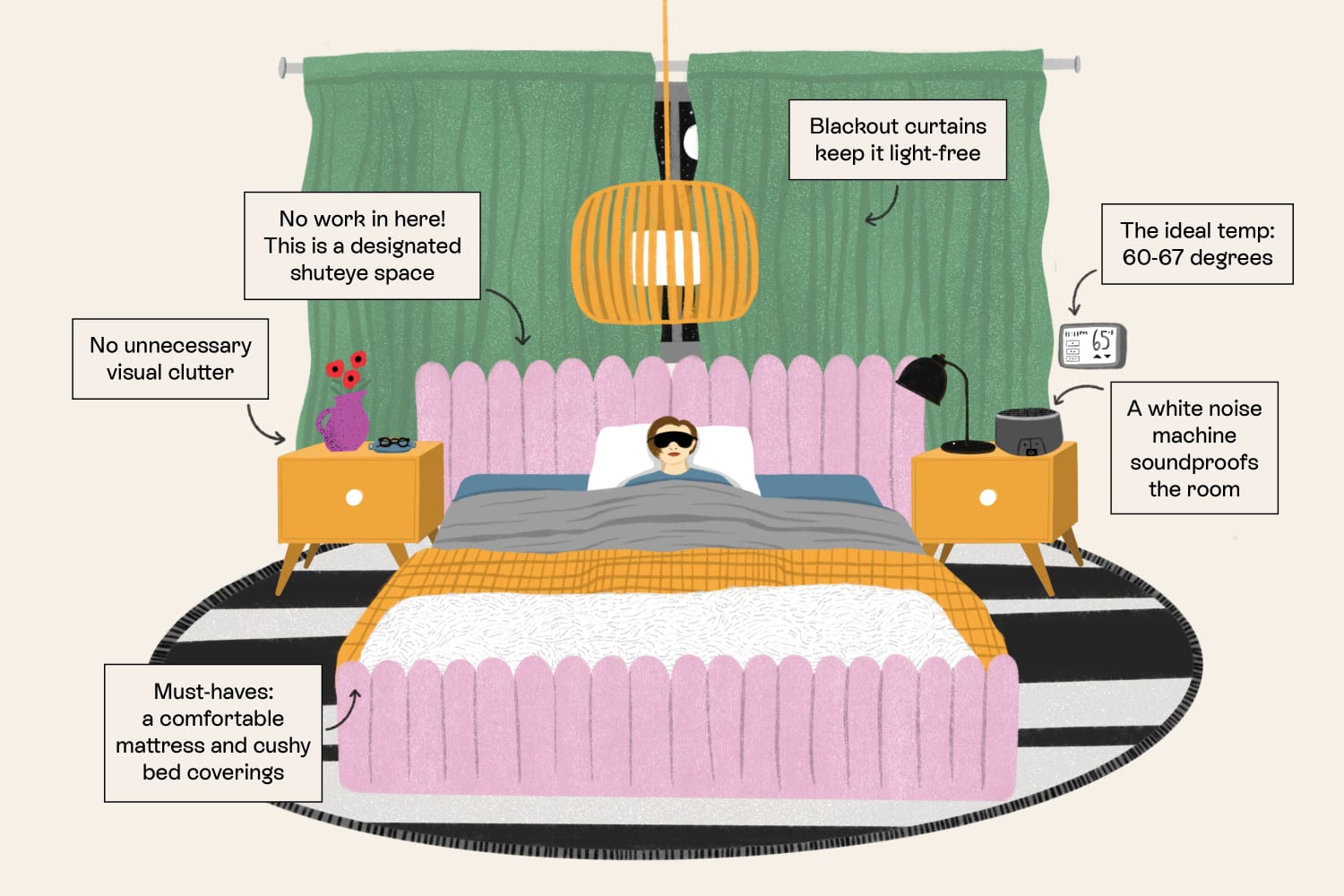
Image credit: Apartment theraphy
Start by Clearing the Clutter
One of the easiest ways to make a bedroom feel more peaceful is to remove things that do not need to be there.
Clothes on the floor, overflowing bedside tables, unopened packages, and piles of miscellaneous items can make the room feel visually busy.
You do not have to become a minimalist overnight.
Start with the areas you see most often.
Clear your bedside table, put clothes away, and find a designated place for items that tend to collect around the room. Even ten minutes of tidying can make the space feel noticeably different.
The Sleep Foundation also recommends reducing clutter when creating a more relaxing bedroom environment.
Choose a Calming Color Palette
Color can completely change the atmosphere of a room.
For a relaxing bedroom, consider softer shades such as warm white, beige, cream, muted blue, soft green, or gentle grey.
That does not mean your bedroom has to be completely neutral.
If you love colour, you can still include it through artwork, cushions, bedding, or smaller decorative pieces.
The key is creating a combination that feels comfortable to you rather than choosing colors simply because they are currently trending.
Recent interior design advice has also highlighted muted colors and softer palettes as ways to create a calmer bedroom atmosphere.
Use Warm, Soft Lighting
Harsh overhead lighting can make a bedroom feel more functional than relaxing.
Instead, think about using several smaller sources of light.
A bedside lamp, floor lamp or wall light can create a softer atmosphere than relying entirely on one bright ceiling fixture.
Warm-toned bulbs can also help create a more inviting feeling in the evening.
If possible, choose dimmable lighting so you can gradually lower the brightness as bedtime approaches.
The Sleep Foundation recommends dimmer, warmer lighting in the evening and reducing bright light before sleep.

Image credit: Mental Floss
Make Your Bed More Comfortable
Your bed is naturally the main feature of the bedroom, so it should feel inviting.
Start with bedding that feels comfortable against your skin.
Cotton, linen, and other breathable materials can be worth considering, particularly if you tend to get warm while sleeping.
You can also layer your bedding with a duvet, blanket, or throw so you can adjust your comfort throughout the night.
There is no single “best” bedding material for everyone. What feels comfortable depends on your personal preferences, sleeping temperature, and climate.
The Sleep Foundation recommends choosing a mattress, pillows, and bedding based on individual comfort and support.
Pay Attention to Your Pillow
A beautiful bedroom cannot compensate for an uncomfortable pillow.
Your pillow should feel supportive and comfortable for your usual sleeping position.
If you regularly wake up with neck discomfort, headaches, or stiffness, your pillow may be worth reconsidering.
You do not necessarily need an expensive pillow. What matters is finding one that provides the support and feel that works for you.
If persistent pain continues, it is better to speak with a healthcare professional rather than assuming your pillow is the only cause.
:max_bytes(150000):strip_icc()/27566_IdeaHouse15660F-1905e09febe248c4ab47eff5cdbf468d-62d993a843b24796aab125080d8482cf.jpg)
Image credit: sourthern Living
Keep the Bedroom Cool and Comfortable
Temperature can have a surprisingly noticeable effect on how comfortable your bedroom feels.
The Sleep Foundation generally recommends a cooler bedroom for sleep, with around 65–68°F (18–20°C) often cited as a comfortable range for many adults. However, individual preferences and circumstances vary.
You do not have to keep your room at a specific temperature if that does not feel comfortable to you.
Instead, pay attention to whether you tend to wake up feeling too hot or too cold.
You can adjust the temperature, bedding, sleepwear, fans, or ventilation accordingly.
Make the Room Darker at Night
Light can make it harder to create a truly restful nighttime environment.
If streetlights, early morning sunlight, or other sources of brightness enter your bedroom, consider blackout curtains, heavier curtains, or a comfortable sleep mask.
You can also reduce unnecessary sources of light inside the room.
That might mean switching off bright lamps, covering particularly bright indicator lights or keeping electronic screens away from the bed.
A darker bedroom is one of the core recommendations from sleep experts when creating a sleep-friendly environment.
Reduce Unwanted Noise
Noise can be one of the hardest bedroom distractions to control, especially if you live near a busy road or in a building with thin walls.
Start by identifying the sounds that bother you most.
Depending on your situation, you might try:
- Closing windows at night
- Using heavier curtains
- Moving the bed away from a noisy wall
- Using a fan
- Trying a white-noise machine
- Wearing comfortable earplugs
The goal is not necessarily complete silence.
For some people, consistent background noise is more comfortable than unpredictable sounds from outside.
The National Sleep Foundation recommends keeping the bedroom quiet and notes that fans or white-noise options can help mask unwanted noise.
Keep Technology From Taking Over the Room
Your bedroom does not have to become a completely technology-free space, but reducing distractions can make it easier to switch off at night.
If possible, avoid turning your bed into a place where you spend hours scrolling through your phone, watching videos or answering work messages.
You could charge your phone farther away from the bed or use the device’s nighttime settings to reduce brightness and notifications.
The Sleep Foundation notes that bright screens and stimulating technology before bed can interfere with winding down and recommends reducing electronic-device use in the bedroom.
Create a Small Relaxation Corner
If you have enough space, consider creating a small area that is separate from your bed.
It could be a comfortable chair beside a window, a small reading corner or even a simple floor cushion.
This gives you somewhere to sit, read, journal or enjoy a quiet moment without automatically getting into bed.
You do not need a large bedroom to do this.
A small chair and side table may be enough.
Bring in Soft Textures
Texture can make a room feel warmer and more inviting.
Think about:
- Soft bedding
- A comfortable rug
- Curtains
- Cushions
- A throw blanket
- Upholstered furniture
You do not need to use all of these.
Choose a few textures that complement your existing décor.
Recent design guidance also recommends layering natural fabrics, rugs and curtains to add tactile comfort to a bedroom.
:max_bytes(150000):strip_icc()/cozy-bedroom-ideas-5078657-hero-2763eb67d1f0404e9ab8eb7280553e8e.jpg)
Image credit: The Spruce
Add Plants Carefully
Plants can bring colour and life into a bedroom, especially if you enjoy caring for them.
Choose plants based on the actual light conditions in your room rather than buying one simply because it looks good.
A small plant on a dresser, shelf or windowsill can be enough.
If your bedroom receives very little natural light, choose a plant that tolerates lower-light conditions or consider another type of décor instead.
You do not need to turn your bedroom into an indoor jungle for it to feel relaxing.
Use Scents You Personally Enjoy
A pleasant scent can contribute to the overall atmosphere of a room.
Some people enjoy subtle scents such as lavender, while others prefer fresh, clean or woody fragrances.
If you use candles, essential oils or diffusers, follow the product’s safety instructions and avoid anything that irritates you.
Keep scents subtle rather than overwhelming the room.
The Sleep Foundation notes that calming scents may help some people create a more relaxing sleep environment, although responses to scents are personal.
Keep Work Out of the Bedroom When Possible
If your bedroom has become your office, dining area, entertainment room and storage space all at once, it can be harder to associate the room with relaxation.
This is especially common when working from home.
If you have enough space, try creating a clear separation between work and rest.
Even something as simple as putting your laptop away at the end of the workday can help create a visual transition.
You do not need a separate office.
The goal is simply to prevent work-related items from dominating the space where you are trying to unwind.
Make Your Nightstand Simple
Your bedside table should be functional rather than overloaded.
Keep only the things you actually use.
For example:
- A lamp
- A book
- Water
- An alarm clock
- Hand cream
- A small decorative item
Everything else can go elsewhere.
A clear nightstand can make the entire bedroom feel more organized.
Choose Décor That Feels Personal
A relaxing bedroom does not have to look like a hotel room.
Your space should still feel like yours.
Add photographs, artwork, books, meaningful objects or other pieces that make you feel comfortable.
The key is balance.
Too many decorative items can create visual clutter, while a completely empty room may feel impersonal.
Choose pieces that you genuinely like rather than filling every available surface.
Think About Your Bedroom Layout
Sometimes you do not need new furniture—you simply need to rearrange what you already have.
Look at how easily you can move around the room.
Does the bed block a walkway?
Is a chair collecting clothes?
Is your bedside table difficult to reach?
Is the room crowded with furniture you rarely use?
A more practical layout can make the room feel larger and calmer.
You may be surprised by how different your bedroom feels simply by moving a few pieces.
Keep Bedding Fresh
Clean bedding can make your bedroom feel more inviting.
Wash sheets and pillowcases according to the care instructions for the fabric, and keep extra bedding available so you can change it when needed.
Also pay attention to your mattress and pillows.
If they are visibly worn, uncomfortable or no longer supportive, replacing them may make a bigger difference than buying another decorative item.
Create a Simple Bedtime Routine
Your bedroom environment is only part of the relaxation process.
Try creating a short routine that tells your mind the day is winding down.
You might:
- Dim the lights
- Put your phone away
- Change into comfortable sleepwear
- Read a few pages
- Stretch gently
- Listen to quiet music
- Take a warm bath or shower
- Spend a few minutes journaling
The National Sleep Foundation recommends a relaxing bedtime routine and consistent sleep and wake times as part of healthy sleep habits.
You do not have to do everything.
Choose one or two habits that you genuinely enjoy.

Image credit: House Beautiful
Make Small Changes Instead of Redecorating Everything
You do not need to spend a lot of money to create a more relaxing bedroom.
Start with the changes that will make the biggest difference for you.
If your room feels cluttered, tidy it.
If the lighting is harsh, add a softer lamp.
If you wake up too hot, experiment with lighter bedding.
If outside light bothers you, consider better curtains.
If your phone is the first and last thing you look at every day, move it farther from your bed.
Small changes can be more sustainable than completely redesigning your bedroom.
A Simple Relaxing Bedroom Checklist
If you want to make changes quickly, start here:
- Clear unnecessary clutter.
- Choose colours that feel calming to you.
- Add softer, warmer lighting.
- Keep the bedroom comfortably cool.
- Make the bed comfortable and supportive.
- Reduce unwanted noise.
- Keep the room as dark as practical at night.
- Limit distracting technology.
- Add a few soft textures.
- Include personal décor you genuinely enjoy.
- Keep your nightstand organized.
- Create a simple bedtime routine.
You do not need to complete this list in one weekend.
Start with one or two changes and build from there.
The Bottom Line
A relaxing bedroom is not about creating a picture-perfect space. It is about making your surroundings feel comfortable enough that you can leave the stress of the day behind.
HOLR breaks down the story here: the most effective bedroom changes are often the simplest ones—less clutter, softer lighting, comfortable bedding, a suitable temperature, reduced noise and fewer distractions.
The Sleep Foundation recommends creating a bedroom that is dark, quiet, comfortably cool and supportive of relaxation, while current interior design guidance also emphasizes softer colours, layered textures, warm lighting and organized spaces.
Your ideal bedroom may look completely different from someone else’s.
Maybe you prefer crisp white bedding and almost no décor. Maybe you love warm colours, books and plenty of cushions. Maybe the most relaxing thing you can add is simply a clean nightstand and a softer lamp.
The goal is to create a room that feels good to come home to—and gives you a comfortable place to slow down at the end of the day.
FAQs
How can I make my bedroom more relaxing without spending money?
Start by decluttering, rearranging furniture, cleaning your bedding, reducing unnecessary light and putting away work or electronic distractions. These simple changes can make a bedroom feel calmer without buying anything new.
What colours make a bedroom feel more relaxing?
Soft and muted colours such as warm whites, beige, soft blue, sage green and gentle grey are commonly used to create a calmer atmosphere. Ultimately, choose colours that you personally find comfortable and soothing.
How can I make my bedroom more relaxing for sleep?
Keep the room dark, quiet and comfortably cool, choose comfortable bedding, reduce clutter and limit distracting technology around bedtime. These are among the key elements recommended for a sleep-friendly bedroom.
Should I keep my phone out of the bedroom?
You do not necessarily have to remove your phone completely, but keeping it away from your bed or limiting nighttime use can reduce distractions. Using a nighttime setting and silencing notifications can also help create a calmer environment.
What temperature should a bedroom be for sleeping?
Many sleep experts recommend a relatively cool bedroom, with around 65–68°F (18–20°C) often suggested for many adults. Personal comfort varies, so adjust your temperature and bedding according to what helps you sleep comfortably.
Published by HOLR Magazine